What is on this site
This site is a guide to growing plants—from seed to harvest—with clear steps for every stage. It covers soil science, seasonal planting, troubleshooting pests, and the quiet art of waiting for something to grow. No fluff, no guesswork.
The content is organised by what you need to know, not by what’s easiest to write. You’ll find guides on composting, charts for when to plant in your climate, and breakdowns of why a tomato plant might wilt or a basil leaf turn yellow.
Everything is tested in real conditions, not just in a greenhouse or a controlled lab.
| Where | What is there | Go here if |
|---|---|---|
| The Guides | Step-by-step instructions for starting seeds, pruning, and seasonal care | you’re new to gardening |
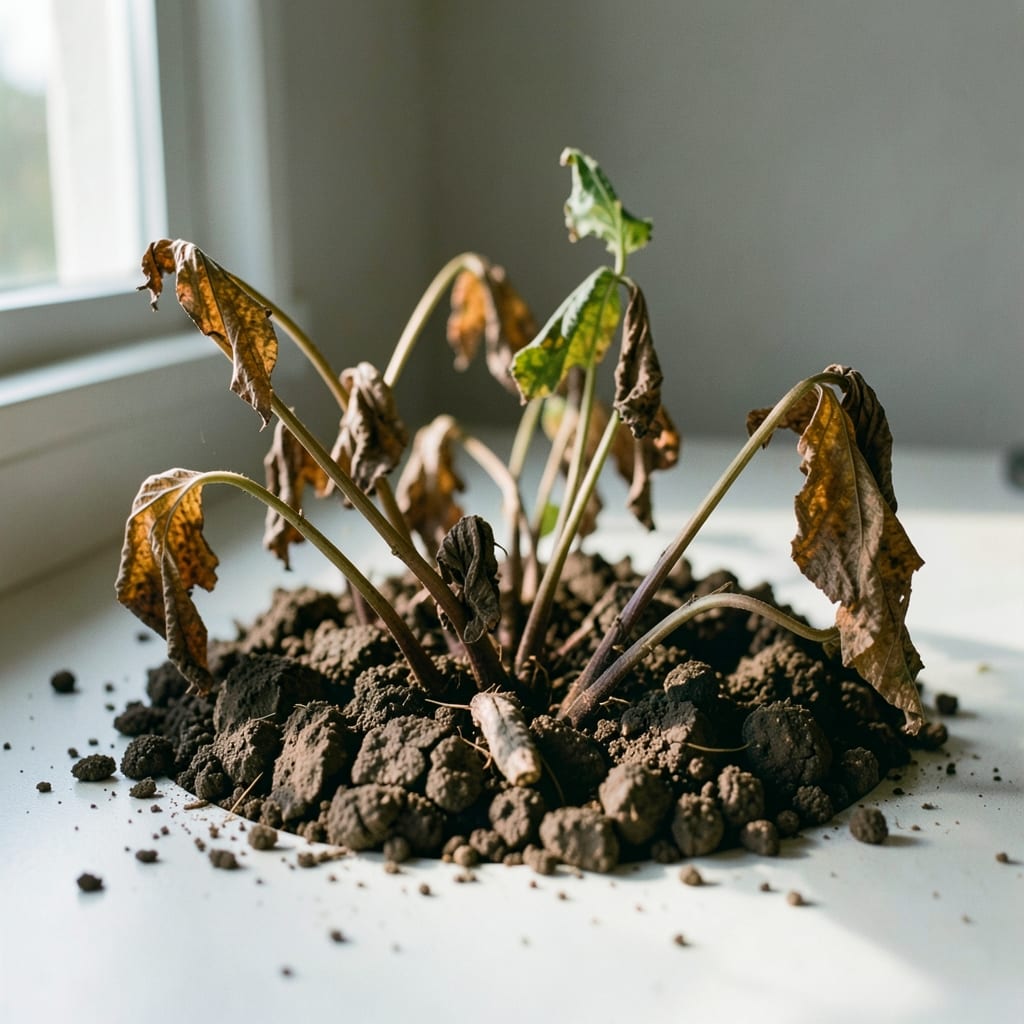
| The Troubleshooter | Diagnoses for wilting, pests, and nutrient deficiencies with photos | your plants look sick |
| The Seasonal Planner | Planting calendars by region, with frost dates and moon phases | you’re unsure when to sow |
| The Soil Lab | Tests for pH, texture, and organic matter—with fixes for each | your garden soil feels wrong |
How to read a page here
Every page starts with the core information: what you’re trying to do, the tools you’ll need, and how long it will take. Numbers in parentheses—like *30–45 minutes*—mean real-world time, not just the clock.
If a step says *optional*, it’s truly optional; we don’t assume you have a greenhouse or a $200 tool.
Look for the ⚠️ symbols: these mark critical mistakes beginners make, like overwatering seedlings or planting too deep. The 🌱 icons point to pro tips, like how to save seeds from your best tomatoes or when to harvest herbs for peak flavor.
Ignore the sidebars on first read. They’re for reference—like conversion tables for inches to centimeters or a list of common weeds—but the main text tells you exactly what to do, in order.
If a paragraph feels too technical, skip to the next heading; the site is built so you can dive in at your level.
When it does not work
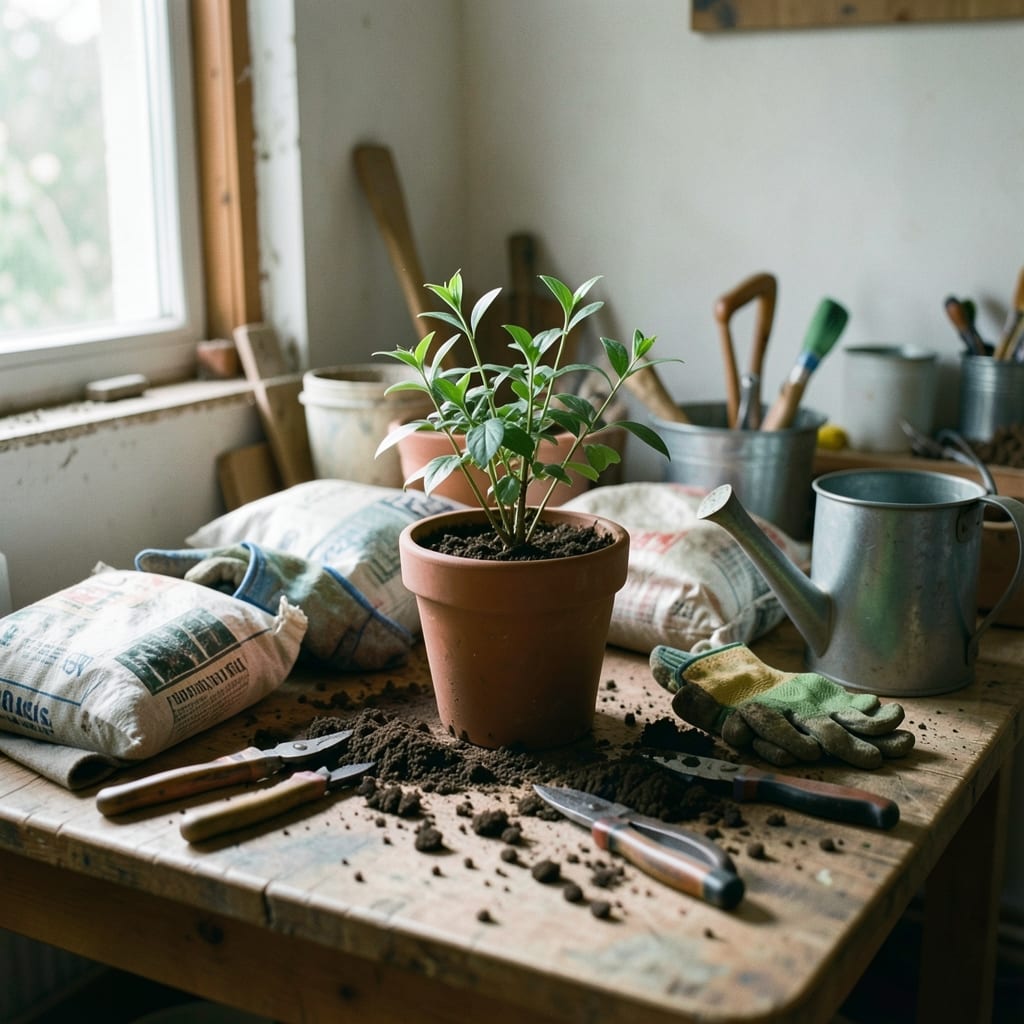
Some pages assume you’ve got basics like a trowel or a watering can. If you don’t, the site won’t work for you—and that’s fine. Not every gardener needs raised beds, but if you’re starting with pots, the Potted Plants tag filters out guides that won’t apply.
Before you give up
- Check if your climate zone is covered (the Seasonal Planner lists all supported regions).
- Look for the 🌡️ icon—it means the guide includes adjustments for hot/cold microclimates.
- Search for your plant’s *scientific name* (e.g., *Solanum lycopersicum* for tomatoes) if common names like ‘beefsteak’ aren’t working.
- Try the Troubleshooter with just the symptom (e.g., ‘yellow leaves’)—sometimes the fix isn’t what you expect.
Who we are
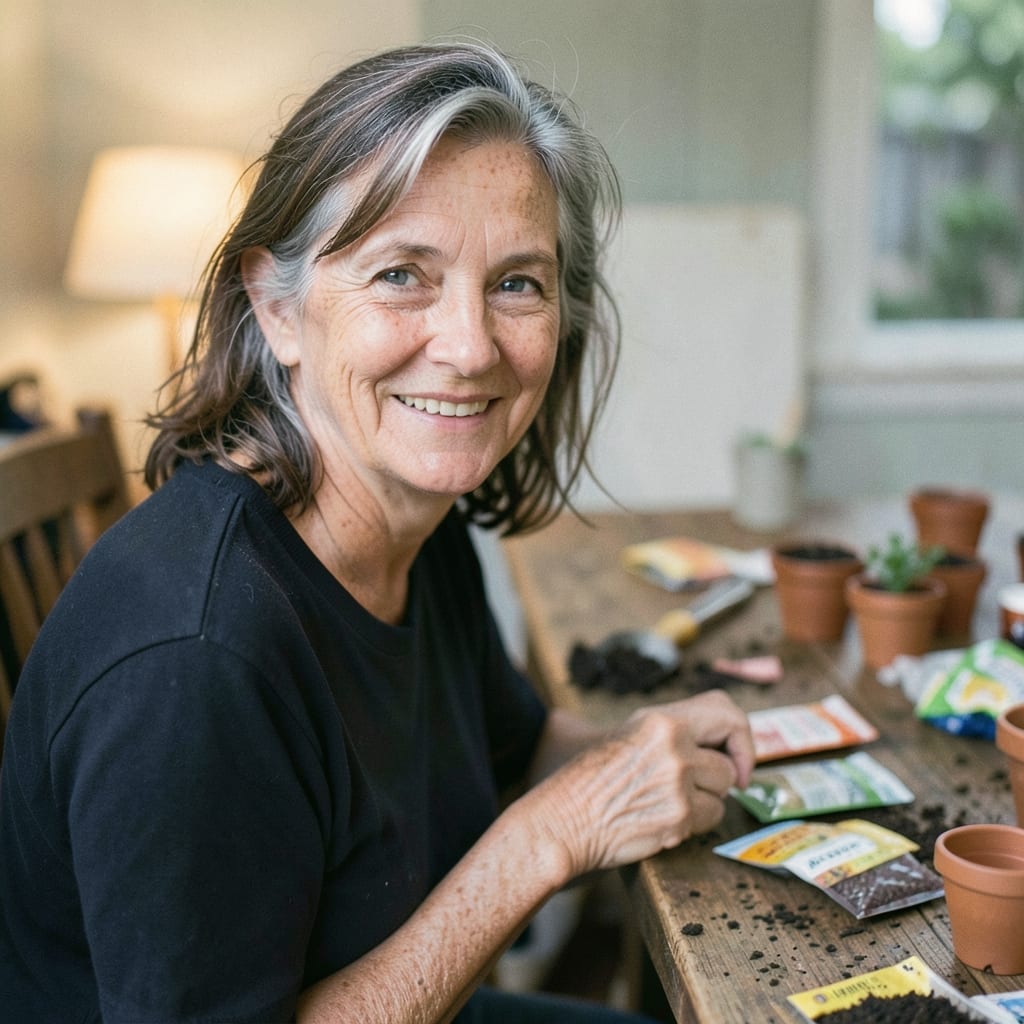
This site is made by someone who still gets dirt under her fingernails when she’s excited.
| The colophon | |
|---|---|
| Written by | Loretta Jensen, who edits every guide for clarity and tests every step in her grandmother’s old garden in Ohio, where the soil remembers what it’s done before. |
| Tested in | A 1972 greenhouse with a busted thermostat, a windowsill in Zone 6a, and a compost bin that’s 60% coffee grounds. |
| Written with | A mechanical pencil (for notes in the dirt), a cheap moisture meter (because guesswork kills plants), and a camera that’s seen more rain than a good raincoat. |
| Learned from | Her grandmother, who said ‘plants don’t need your permission’ and then showed her how to coax them anyway. |
| Still getting wrong | The exact moment a seed *really* needs water—sometimes it’s too early, sometimes it’s already rotten. |
There’s no perfect way to grow things. But there’s always a way that works for *you*—and that’s what this site tries to find.
If you need something that is not here
We don’t cover hydroponics, large-scale farming, or commercial soil mixes. If you’re looking for urban gardening with limited space, check the Potted Plants tag first. For everything else, the contact page is the place to ask—though we’ll only answer if we’ve grown it ourselves.
The guides are grouped by category: Advice, Aphids, Blooming, Companion Plants, How To and Light Requirements.