
How To
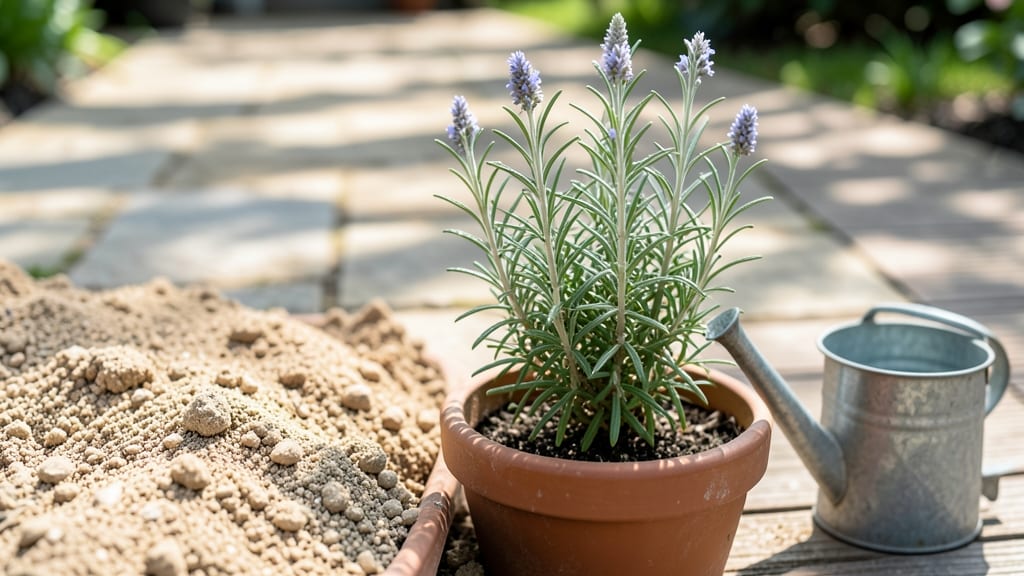
Rosemary thrives in sandy soil because it mimics the Mediterranean conditions where it evolved—fast-draining, mineral-rich, and airy. 🌱 The key isn't just the texture but creating a loam that holds just enough moisture while preventing root rot, which is why gardeners swear by this mix.
My first attempt with pure sand failed until I added organic matter to bind it without suffocating the roots.
Start with 50% coarse sand (builder's sand works best) and 30% peat moss or coconut coir for structure and moisture retention. Add 20% compost for nutrients, then mix in a handful of perlite per cubic foot to improve aeration.
This blend drains in 10-15 minutes after watering, keeping rosemary's delicate roots happy. For containers, use a 1:1 ratio of sand to potting mix with added perlite.
Rosemary grown in this mix stays fragrant, bushy, and productive for years, with fewer pests and diseases. The secret is watering deeply but infrequently—once a week in summer, less in winter—and avoiding heavy fertilizers that clog the soil.
Prune lightly after harvests to encourage dense growth, and watch your plants reward you with needles that smell like a Provençal summer.
For sandy soil challenges, amend with 1 inch of compost annually to replenish nutrients without altering drainage. If your rosemary looks yellow or stunted, it’s thirsty—not nutrient-deficient. Mulch with gravel or pine needles to retain heat and deter weeds, and always plant in full sun (6+ hours daily).
With this setup, your rosemary will outperform store-bought plants every time.
📚 In This Guide
- What you need
- Instructions
- Tips and common mistakes
- Wrapping up and next steps
What you need
- ● Sandy soil (base): 50% of your mix (e.g., coarse builder’s sand or river sand). Aim for 1 gallon (3.8L) per plant.
- ● Compost or well-aged manure: 25% of the mix (boosts nutrients without compacting soil). Use 1 part per 3 parts sand.
- ● Perlite or pumice: 20% of the mix (enhances drainage). ½ cup (60g) per gallon of soil.
- ● Peat moss or coconut coir: 5% of the mix (retains moisture). ¼ cup (30g) per gallon.
- ● Garden gloves (to protect your hands from grit).
- ● Large mixing container (wheelbarrow, bucket, or clean trash can).
- ● Measuring cups/spoons (for precision).
- ● Garden trowel or shovel (to amend existing soil or fill pots).
- ○ pH testing kit (optional but helpful—rosemary thrives in 6.0–7.5 pH).
- ● Slow-release fertilizer (e.g., 10-10-10 or rose & flower mix; 1 tbsp per gallon).
- ● 💡 Avoid fine sand: Play sand or beach sand compacts easily—stick to coarse or masonry sand.
- ● 🌡️ Sterilize soil: Bake sand/compost in the oven at 200°F (93°C) for 30 mins to kill pests.
- ● ✨ For containers: Add ¼-inch drainage holes to pots to prevent root rot.
Step-by-Step instructions for creating fast-draining rosemary soil
This blend mimics rosemary's Mediterranean roots—light, airy, and designed to prevent soggy stems.
🪴 Step 1: Combine Base Materials for Structure
Start with 4 parts coarse sand—I use builder's sand, not fine play sand—to create the essential drainage framework. This prevents compaction that suffocates rosemary roots. Next, add 2 parts perlite to lighten the mix further while adding tiny air pockets for oxygen flow. Mix these together first, breaking up any perlite clumps with your hands.
Real talk: if your sand feels gritty but not coarse, rinse it first to remove dust. You'll know it's right when it feels like dry beach sand between your fingers—not powdery, not sticky. This base alone prevents the root rot that kills rosemary faster than anything else.
💧 Step 2: Add Organic Matter for Nutrient Balance
Incorporate 2 parts peat moss or coconut coir—this holds moisture without compacting like regular soil. I prefer coconut coir because it resists fungal growth better. Add 1 part compost (well-aged, chunk-free) to feed the roots without weighing down the mix. Work these into the sandy base until uniformly distributed.
Here's the thing—rosemary hates wet feet, but it also needs some organic matter to thrive. The compost provides slow-release nutrients while the peat/coir ensures the sand doesn't leach them away immediately. Mix until the texture resembles damp potting soil that crumbles easily between your fingers.
☀️ Step 3: Test and Adjust Moisture Retention
Grab a handful of the mix and squeeze firmly. If water beads on the surface when you release pressure, it's too wet—add more perlite or sand. If it crumbles completely with no moisture visible, it's too dry; sprinkle water and remix. The perfect blend should hold shape when squeezed but break apart with gentle pressure, leaving the surface slightly damp but not glistening.
I like to test with a moisture meter at this stage—aim for 30-40% moisture content. This level keeps roots hydrated without creating anaerobic conditions. For container growing, this mix should drain completely within 10-15 minutes after watering—no puddles, no soggy bottoms.
✂️ Step 4: Condition for Planting
Let the mix sit uncovered for 24 hours to allow any residual moisture to evaporate and the components to fully integrate. This prevents immediate compaction when you plant. For container rosemary, fill pots to 1 inch below the rim, leaving space for watering without overflow. For in-ground planting, spread a 2-inch layer over the native soil as a top dressing.
Don't skip this waiting period—rosemary roots are sensitive to sudden changes. The 24-hour rest period also helps break down any remaining perlite clumps that could create air pockets around roots. When ready, plant your rosemary cuttings or seedlings at the same depth they grew previously, then water deeply but gently.
Tips & tricks for perfect rosemary soil mix
Common pitfalls—and how to sidestep every one—when creating the ideal rosemary-growing medium.
Base Material Selection: For the 4 parts coarse sand, avoid river sand or play sand—they compact too easily. Builder's sand or horticultural sand is ideal because its larger particles create better drainage channels. If you can't find builder's sand, use a mix of coarse sand and 1 part pumice instead of perlite for similar structural benefits. The key is ensuring particles are 1/8-inch or larger to prevent suffocating roots.
Perlite vs. Vermiculite: In Step 1, stick with 2 parts perlite for its lightweight, porous properties—but if you're in a humid climate, consider substituting 1 part perlite and 1 part vermiculite. Vermiculite holds slightly more moisture, which can help in drier conditions. Just remember: perlite's primary job is creating air pockets, while vermiculite adds moisture retention. Test your mix after adjusting to ensure it still drains within 10-15 minutes.
Moisture Testing Hack: During Step 3's moisture test, here's a pro trick: after squeezing the mix, let it sit for 2 minutes before checking for water beads. This gives any surface moisture time to redistribute naturally, giving you a more accurate reading. If you're still unsure, the "damp but not glistening" rule applies—your mix should feel like a wrung-out sponge, not a damp washcloth. This texture is what prevents the very root rot that kills rosemary.
Conditioning Shortcut: While the 24-hour conditioning period is ideal, you can speed this up by spreading your mix on a baking sheet and placing it under a fan for 4-6 hours. This accelerates moisture evaporation without risking compaction. Just be sure to stir occasionally to prevent any surface drying that could create inconsistent texture. The goal remains the same: fully integrated components ready for planting.
Pro Tips for Sandy Soil For Rosemary
- Common pitfalls—and how to sidestep every one—when creating the ideal rosemary-growing medium.
- Base Material Selection: For the 4 parts coarse sand, avoid river sand or play sand—they compact too easily.
- Perlite vs.
Frequently asked questions
Got questions about growing rosemary in sandy soil?
Here are some of the most common ones—and their answers—to help you cultivate thriving, fragrant plants with ease!
1. Can rosemary grow in 100% sand?
While rosemary loves fast-draining soil, pure sand can be too harsh—it lacks nutrients and holds moisture poorly. Mix it with 20-30% coarse sand and 70-80% compost or potting mix for the perfect balance. Think of it like a rosemary "sandy loam" cocktail!
2. How long does it take rosemary to adapt to sandy soil?
Rosemary typically adjusts within 4-6 weeks if planted in well-prepared sandy soil. Watch for wilting or yellowing leaves—a sign it needs more drainage or nutrients. If soil feels too dense, amend it with perlite or horticultural grit to speed up the process.
3. What’s the best alternative if I don’t have sandy soil?
No sand? No problem! Use a blend of:
- 60% potting soil (or coco coir)
- 20% perlite or pumice (for drainage)
- 10% coarse sand (builder’s sand works)
- 10% compost (for nutrients)
4. Why does my rosemary look sad in sandy soil?
Sandy soil drains too fast if it lacks organic matter, starving roots of moisture and nutrients. Try these fixes:
Use a well-draining pot with drainage holes and the sandy mix recipe above. Place it near a sunny window (or under grow lights for 6+ hours/day). Just avoid cold drafts—rosemary needs warmth (ideally 60–75°F) to thrive indoors.
Overwatering is worse than underwatering—rosemary hates soggy feet!
5. Can I grow rosemary in sandy soil indoors?
Wrapping up and next steps
Growing rosemary in sandy soil is totally doable—and rewarding! With the right mix of gritty texture, organic matter, and proper drainage, you’ll create the perfect home for this fragrant herb.
Remember, the key is balance: loose, airy soil that mimics its Mediterranean roots while retaining just enough moisture to thrive.
Now that you’ve got your DIY sandy soil recipe locked in, it’s time to plant and watch your rosemary flourish. Grab those clippings, get your hands dirty, and enjoy the sweet, piney scent of success! 🌿✨ Happy gardening!