
How To
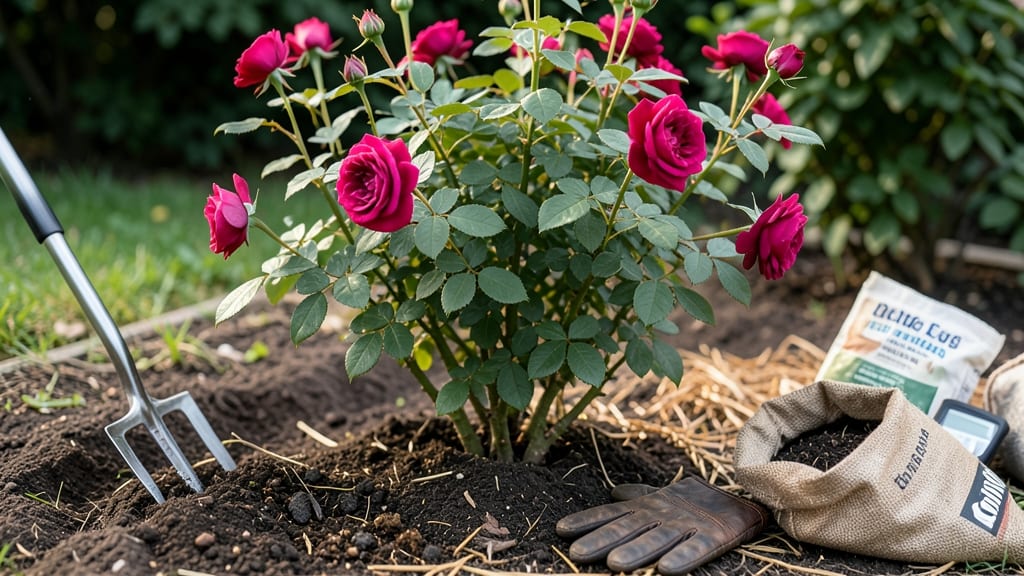
Amending soil for roses isn't just about throwing in compost—it's about creating the perfect acid-loving blend that makes roses thrive. 🌹 I learned the hard way when my first rose bushes struggled in heavy clay soil, despite my best watering efforts. The secret?
A mix of organic matter, sulfur for pH adjustment, and a little patience to transform dense soil into something roses will love. Start with a soil test to check your pH—roses prefer 6.0 to 6.5.
For clay soil, add 3-4 inches of compost and 1-2 pounds of sulfur per 100 square feet to break it up and lower pH. Sandy soil needs extra organic matter like peat moss or well-rotted manure to hold moisture.
Work amendments into the top 12-18 inches of soil in early spring or fall. By summer, you'll see the difference: deep green leaves, stronger canes, and blooms that last longer. The soil will smell rich and earthy, not stale.
Roses respond dramatically to the right conditions—it's like giving them a spa day for their roots. This method works for all rose types, from hybrid teas to shrub roses. Just avoid over-amending—too much sulfur can harm plants, and too much compost can create a nitrogen-heavy mess.
Small adjustments make the biggest impact!
📚 In This Guide
- What you need
- Instructions
- Tips and common mistakes
- Wrapping up and next steps
What you need
- ● Garden soil – 10-12 cubic feet (enough to fill a 3-foot-deep planting hole for each rose bush).
- ● Peat moss or coconut coir – 2-3 parts (improves drainage and acidity).
- ● Compost – 1 part (adds organic nutrients).
- ● Sulfur or aluminum sulfate – 1-2 lbs (lowers pH to 6.0-6.5, ideal for roses). Test soil first!
- ○ Bone meal (optional but recommended) – 1/2 cup per hole (boosts phosphorus for root growth).
- ● Garden fork or tiller – For loosening soil.
- ● Gloves & knee pads – Because gardening is hard work! 😉
- ● pH testing kit – To check soil acidity before and after amending.
- ● Watering can or hose – For hydration and settling soil.
- ● Measuring tape or bucket – For precise mixing ratios.
- ● 🌡️ Test your soil first! – If pH is already below 6.0, skip sulfur and focus on organic matter.
- ● ✨ Mix in layers: Start with peat moss/compost, then sulfur, and top with native soil.
- ● 🔥 Avoid lime! – It raises pH, which roses hate.
Step-by-step guide to creating an acid-loving rose soil blend
Here's the simple method I use to transform heavy, alkaline soil into the perfect acidic home for roses.
🌱 Step 1: Test Your Current Soil pH
Before adding anything, grab a soil pH test kit from your garden center. Roses thrive in 6.0-6.5 pH, so if your test shows higher numbers, you're starting with alkaline soil that needs acidification. I like to test in multiple spots since pH can vary across the yard—especially if you've had lawns or vegetable gardens before.
Dig a small hole about 6 inches deep where you plan to plant. Scoop out a handful of soil and follow the kit instructions. If your reading is above 7.0, you'll need to lower the pH with sulfur or peat moss. If it's already in the 5.5-6.5 range, you can skip straight to organic amendments.
🌿 Step 2: Remove Existing Grass and Weeds
Roses hate competition, so clear the planting area thoroughly. Use a shovel to cut 12 inches deep into the soil and remove all grass roots—even small patches left behind will steal nutrients from your roses. I like to work in 2-foot squares at a time, pulling weeds by hand first, then using the shovel for stubborn roots.
Once the area is clear, loosen the soil with a garden fork. Break up any compacted layers by pushing the fork down and twisting it gently. You want soil that crumbles easily when you squeeze it—this ensures good root penetration and drainage. If the soil feels gummy or sticks together, you'll need to add more organic matter in the next step.
⏰ Step 3: Mix in Acidifying and Nutrient-Rich Amendments
For a 4-foot by 4-foot planting area, spread 2-3 inches of compost evenly over the soil. This adds organic matter that improves texture and holds moisture. Next, sprinkle 1 pound of elemental sulfur (for every 100 square feet) over the compost—this gradually lowers pH over 2-3 months.
Work the amendments into the top 6-8 inches of soil using a garden fork or tiller. Mix until the soil looks dark and crumbly. If your soil is particularly sandy, add 1 part peat moss to 3 parts existing soil to improve water retention. Avoid using fresh manure—it can burn rose roots and throw off the pH balance.
💧 Step 4: Water and Let the Blend Settle
After amending, water the area deeply to help settle the soil and activate the sulfur. Use 1-2 inches of water to moisten the entire amended layer. This also helps beneficial microbes start breaking down the organic matter. Let the soil sit for 2-4 weeks before planting—this gives the sulfur time to adjust the pH and the compost time to decompose slightly.
During this waiting period, test the pH again. If it's still above 6.5, add a little more sulfur (½ pound per 100 square feet) and mix it in lightly. The goal is to get as close to 6.0-6.5 as possible without overshooting. Overly acidic soil (below 5.5) can also harm roses, so aim for that sweet spot.
☀️ Step 5: Plant and Maintain the Ideal Soil
When you're ready to plant, dig holes 12 inches wide and deep—twice the size of the root ball. Gently loosen the roots of your bare-root rose if they're circling, then place it in the hole so the graft union sits 2 inches above soil level. Fill the hole with your amended soil, tamping lightly as you go to remove air pockets.
Water thoroughly after planting to help the soil settle around the roots. Mulch with 2-3 inches of pine bark or compost to maintain moisture and slowly add organic matter. Every 3-4 months, top-dress with a ½-inch layer of compost to keep the soil rich. This ongoing care ensures your roses get the acid-loving environment they crave for vibrant, healthy blooms.
Tips & tricks for perfect acid-loving rose soil
Between us, these little details make all the difference when creating the ideal growing environment for your roses.
Test Multiple Spots: Soil pH can vary dramatically across your yard—especially if you've had lawns or vegetable gardens before. I always test 3-4 spots in your planting area, since alkaline pockets can hide beneath the surface. This prevents surprises when your roses start showing signs of stress after planting.
Weed Removal Secret: Don't just pull weeds—dig down 12 inches deep with your shovel to remove the roots completely. I use a technique called "double-digging" for stubborn patches: cut a 2-foot square, remove the top layer of soil, then dig another 6 inches deeper before mixing in amendments. This creates loose, aerated soil roses will love.
Sulfur Application Strategy: Elemental sulfur takes 2-3 months to fully acidify your soil, so don't rush it. For a 4-foot by 4-foot area, I spread the 1 pound of sulfur evenly over the compost first, then mix it in with the top 6-8 inches of soil. This gradual approach prevents sudden pH shifts that could harm young rose roots.
Post-Planting Maintenance: That 3-4 month compost top-dressing schedule actually works better if you do it in 2-month intervals instead. I keep a small bag of compost handy and add just ½-inch each time—this maintains consistent nutrient levels without overwhelming the roses. Think of it like feeding your roses a steady diet rather than one big meal.
Pro Tips for Amend Soil For Roses
- Between us, these little details make all the difference when creating the ideal growing environment for your roses.
- Test Multiple Spots: Soil pH can vary dramatically across your yard—especially if you've had lawns or vegetable gardens before.
- Weed Removal Secret: Don't just pull weeds—dig down 12 inches deep with your shovel to remove the roots completely.
Frequently asked questions
Got questions about amending soil for roses? You’re not alone! Here are some common queries—and straightforward answers—to help you grow stunning blooms with confidence.
How often should I amend my rose soil?
Amend your soil once every 2–3 years for established roses, or annually if your garden has heavy clay, sand, or poor drainage. For new plantings, mix amendments into the soil at planting time. Over-amending can disrupt microbial balance, so consistency is key!
When is the best time to amend soil for roses?
Fall (6–8 weeks before frost) is ideal—it gives amendments time to integrate before winter. You can also amend in early spring (before new growth starts) or late winter (if your climate is mild). Avoid amending during extreme heat or drought.
Can I use compost alone, or do I need other amendments?
Compost is a great start, but roses thrive with a balanced blend. Pair it with sulfur (for acidity), perlite (for drainage), and bone meal or composted manure (for nutrients). Think of it like a layered cake: compost for organic matter, sulfur for pH, and perlite for aeration!
My roses look unhealthy—could my soil be the issue?
Yellow leaves, stunted growth, or poor blooms often signal pH imbalance, nutrient deficiency, or compacted soil. Test your soil (kits are cheap and easy!). If pH is too high (>7.0), add sulfur. For compacted soil, mix in coarse sand or coconut coir to improve drainage.
What’s a quick fix for roses in heavy clay soil?
Break up clay with gypsum or coarse sand (1 part amendment to 3 parts soil). For instant drainage, create a raised bed or plant roses in mounds of amended soil. Mulch with wood chips to retain moisture and prevent compaction over time.
Still stumped? Drop your rose-growing woes in the comments—we’re happy to help!
Wrapping up and next steps
Amending your soil for roses isn’t just about science—it’s about creating the perfect canvas for vibrant, thriving blooms. 🌹 With the right mix of organic matter, proper pH balance, and drainage, you’ll give your roses the ideal foundation to flourish.
Remember, patience and consistency are key; healthy soil leads to stunning results!
Ready to transform your garden? Start by testing your soil today—then roll up your sleeves and get amending! Your future roses will thank you with showstopping color and fragrance.