
Vegetables
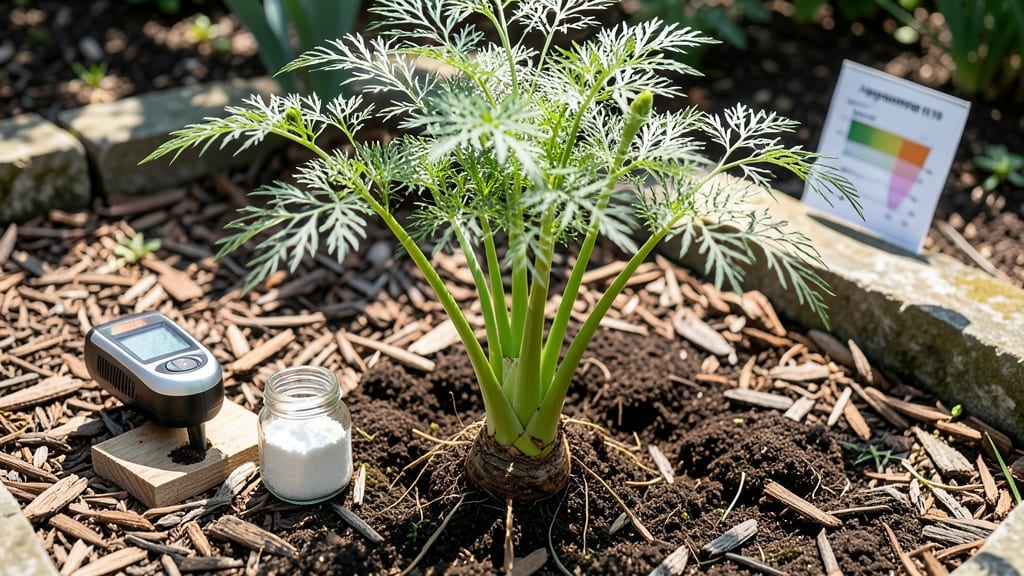
Growing asparagus with the right soil pH is the difference between spears so sweet you’ll fight over them and bitter, stunted plants that barely reward your effort.
Here’s the hard truth: asparagus 🌱 demands a pH range of 6.5 to 7.5—any lower, and nutrients like iron and zinc vanish; any higher, and your plants struggle to absorb phosphorus, leading to weak growth. Most gardeners overlook this, and that’s why their harvests underwhelm.
But the good news? Fixing your soil’s pH isn’t rocket science. With a simple test and a few targeted amendments—like lime for acidic soil or sulfur for alkaline—you can create the perfect conditions for speedy, flavorful harvests starting in year two.
In this guide, I’ll walk you through testing your soil, adjusting the pH the right way, and spotting the warning signs that your asparagus is still unhappy—so you can finally enjoy those prized spears without the guesswork.
The ideal soil pH for asparagus: why 6.5–7.5 is non-negotiable
Asparagus isn’t just picky—it’s obsessive about soil pH. That sweet spot of 6.5–7.5 isn’t arbitrary. It’s the golden range where asparagus roots unlock nutrients like phosphorus and nitrogen, fueling those prized spears.
When pH strays, your plants scream for help with stunted growth or bitter flavors—yes, even your homegrown harvest can taste like disappointment.
Think of pH as the lock and nutrients as the keys. At pH 6.5–7.5, the lock fits perfectly, letting asparagus absorb iron, zinc, and calcium without competition. Drop below 6.0, and those nutrients vanish like morning dew.
Soar above 8.0, and manganese locks up, starving your plants of energy. The result? Yellow fronds, weak spears, and a harvest season that feels more like a ghost town.
Here’s the kicker: asparagus hates acidity. Even a slight dip below 6.5 triggers aluminum toxicity, poisoning roots and stunting growth. On the flip side, alkaline soil above 7.5 causes calcium deficiency, leading to hollow spears and bitter flavors.
That’s right—your pH is the flavor boss, dictating whether your spears taste sweet or like a science experiment gone wrong.
So how do you know if your soil is playing nice? Grab a soil test kit (or send a sample to your local extension office for $15–$25). The results will reveal whether your soil is a pH party or a nutrient desert.
Pro tip: Test in spring before planting—don’t wait until your spears start whispering complaints.
If your pH is off, don’t panic. Lime raises pH (for acidic soil), while sulfur lowers it (for alkaline soil). The key? Patience. Amendments take 2–3 months to work, so start early. Spread lime or sulfur evenly, water it in, and let nature do the rest.
Think of it as giving your asparagus a soil makeover—one that pays off with thick, sweet spears instead of sad, skinny ones.
Here’s the real test: After adjusting pH, watch your asparagus. Healthy fronds mean you’re on the right track. Bitter spears? Your pH is still off. And if your plants look like they’re drowning in sadness, it’s time to test again.
Remember, asparagus doesn’t forgive pH mistakes—it just sends you a bill in bitter flavors.
Once you nail that 6.5–7.5 range, your asparagus will reward you with years of harvests. That’s because asparagus crowns live for 15+ years—so get your soil right now, and you’ll be the envy of the neighborhood every spring.
No more store-bought asparagus for you—just homegrown perfection, straight from your perfectly balanced soil.
🌱
How to adjust your soil pH for asparagus: step-by-step amendments
If your asparagus spears taste bitter or grow stunted, your soil pH might be the culprit. Asparagus demands a 6.5–7.5 pH range—anything outside this window locks out essential nutrients like nitrogen and phosphorus, stunting growth. The good news? Adjusting pH is straightforward with the right amendments.
First, test your soil using a home pH kit (available at garden centers for ~$10). Dig a 6-inch soil sample from your asparagus bed—this mimics the root zone where amendments matter most.
If your pH reads below 6.5, you’ll need to raise it with lime. If it’s above 7.5, sulfur is your go-to fix.
Timing is critical: amend your soil 3–4 months before planting (or in early spring for established beds). This gives amendments time to react fully with the soil.
For organic gardeners, wood ash (for acidic soil) or elemental sulfur (for alkaline soil) are great choices, but synthetic options like pelletized lime or powdered sulfur offer faster results.
After amending, retest your soil in 2–3 months. If your pH is still off, repeat the process—patience is key. For established asparagus beds, apply a light top-dressing of compost annually to maintain balance. This adds organic matter, which naturally buffers pH swings.
Your asparagus will thank you with sweeter spears and healthier fronds. Watch for these happy signs: vibrant green foliage, thick spears, and minimal yellowing. If you see purple stems or stunted growth persist, your pH might still need tweaking—don’t hesitate to test again!
Pro tip: Keep a garden journal to track pH adjustments and asparagus growth. Note which amendments worked best for your soil type—this saves time (and money) in future seasons. Happy gardening! 🌱