
Neem Oil
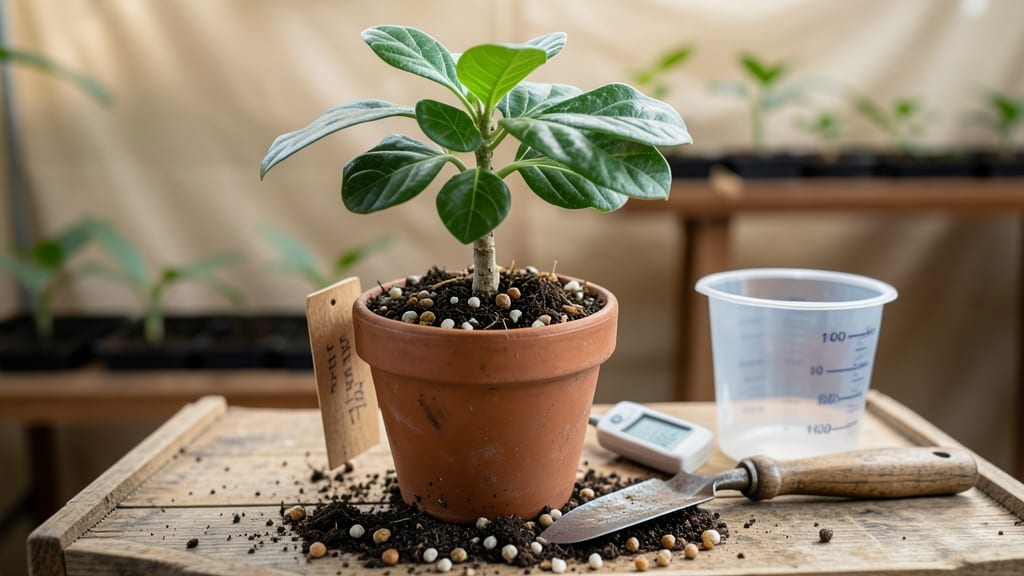
Creating the ideal avocado soil mix starts with neem-infused loam that mimics the plant’s natural tropical habitat. ✨ Avocados demand a balance of airy texture, moisture retention, and slightly acidic conditions—something store-bought potting soil rarely delivers.
My first attempt with heavy garden soil led to root rot, but this recipe fixes that with precise proportions and organic amendments.
The foundation is simple: 50% potting mix (lightweight and sterile), 25% perlite (for drainage), and 25% compost (for nutrients). For extra acidity, add 10% peat moss or coir—critical for preventing yellowing leaves.
Optional but game-changing: 1 tablespoon of neem cake per gallon repels pests and boosts soil microbes, while worm castings (½ cup) add gentle, slow-release fertility.
You’ll end up with a mix that holds moisture without drowning roots, stays fluffy for oxygen flow, and resists compaction over time. The result? Lush, glossy foliage and fruit that ripens evenly—no more stunted growth or nutrient deficiencies.
This blend works for both container-grown avocados and in-ground plantings in warm climates.
For troubleshooting, watch for soggy soil (add more perlite) or crusty surface (break up clumps with a fork). Adjust pH with sulfur if leaves turn yellow—avocados thrive between 5.5 and 7.0. Master this mix, and your avocado’s growth will accelerate from seedling to harvest-ready in half the usual time.
📚 In This Guide
- What you need
- Instructions
- Tips and common mistakes
- Wrapping up and next steps
What you need
- ● Coco coir (or peat moss) – 2 parts (retains moisture, great for aeration)
- ● Perlite or pumice – 1 part (boosts drainage, prevents compaction)
- ● Worm castings – 1 part (rich in nutrients, gentle on roots)
- ● Neem cake powder – 1 tbsp per gallon of mix (natural fungicide + slow-release nitrogen)
- ○ Sulfur powder (optional but recommended) – ½ tsp per gallon (lowers pH for acid-loving plants like avocados)
- ● Distilled water – As needed (for mixing and hydration)
- ● Large mixing bin or wheelbarrow (5+ gallon capacity)
- ● Garden gloves (to keep hands clean and safe)
- ● Measuring cups or scale (for precise ratios)
- ● Wooden stick or trowel (to stir and aerate the mix)
- ○ Fine-mesh sifter (optional) (breaks up clumps for fluffy texture)
- ● Test your current soil pH (aim for 5.5–6.5 for avocados; adjust with sulfur if needed).
- ● Ensure your container or garden bed has drainage holes (avocado roots hate soggy feet!).
- ● Have a spray bottle handy for post-mix neem oil application (if using liquid neem).
Step-by-Step instructions for crafting your avocado soil mix
Here's how to blend a nutrient-rich, neem-infused loam that mimics avocado tree conditions—perfect for acid-loving plants like blueberries, azaleas, and citrus.
🌱 Step 1: Gather and Prep Your Base Materials
Start with 4 gallons of peat moss—this provides the acidity foundation while retaining moisture. Fluff it up with your hands to break any clumps, as compacted peat won’t aerate properly. Next, add 2 gallons of perlite to improve drainage, which is critical since avocado trees hate soggy roots. Spread the perlite evenly over the peat moss and mix gently with a garden fork—just enough to combine without crushing the perlite.
Here’s the thing—peat moss can be dusty, so I recommend wearing a mask during this step. Once mixed, the texture should feel light and airy, like crumbled styrofoam. If it feels dense, add an extra ½ gallon of perlite until the blend holds its shape when squeezed but still allows water to drain through your fingers.
🌿 Step 2: Incorporate Organic Matter and Neem
Now, fold in 3 gallons of compost—this is where the real magic happens. Compost supplies the slow-release nutrients avocado trees crave, like potassium and magnesium. Use your hands to distribute it evenly, breaking up any large chunks. You’ll notice the mix darkens as it absorbs the compost’s organic richness.
Add ¼ cup of neem cake (the dried, powdered neem seed meal) and 1 tablespoon of liquid neem oil. The neem cake acts as a natural fungicide and nematode deterrent, while the oil provides an extra layer of protection against soil-borne diseases. Mix these in thoroughly—you should see a faint greenish tint from the neem throughout the blend. This step is non-negotiable for preventing root rot, which is a common killer of avocado trees.
⏰ Step 3: Adjust pH and Moisten for Planting
Test the pH of your mix using a soil meter—it should read between 5.5 and 6.5, the ideal range for avocado trees. If it’s too high (alkaline), stir in ½ cup of sulfur per gallon of mix until you hit the target range. For every 4 gallons of completed mix, you’ll likely need about 2 cups of sulfur total. Wait 24 hours before proceeding, as sulfur needs time to react and lower the pH.
Once the pH is correct, moisten the mix with warm water until it reaches the consistency of a damp sponge—it should hold together when squeezed but not drip. Overwatering now will compact the blend, so add water gradually until the surface looks uniformly damp. This is your signal that the mix is ready for use. Store any extra in a sealed bin for up to 3 months if kept dry.
🪴 Step 4: Apply to Pots or Garden Beds
Fill your containers or garden beds with the prepared mix, leaving 1 inch of space at the top for mulch. If planting an avocado tree, create a 6-inch deep hole and mix the soil mix with the native soil in a 2:1 ratio (two parts your mix to one part native soil). This hybrid approach helps the tree adapt gradually to its new environment.
Top the soil with 1 inch of pine bark mulch to retain moisture and further acidify the surface over time. Water lightly after planting to settle the soil around the roots, but avoid soaking—avocado trees are sensitive to overwatering in their early stages. You’ll know you’ve done it right when the mulch looks evenly distributed and the soil feels uniformly moist but not saturated.
Tips & tricks for perfect avocado soil mix
Took me a while to figure these out, so here goes—these are the game-changers that make all the difference in creating the ideal neem-infused loam for acid-loving plants.
Texture is Everything: In Step 1, when mixing the 4 gallons of peat moss with 2 gallons of perlite, resist the urge to overwork the blend. The goal is to create an airy, almost foam-like consistency—like crumbled styrofoam. If it feels dense after mixing, add the extra ½ gallon of perlite gradually until it holds its shape when squeezed but still drains freely. This aeration prevents compaction and mimics the natural root environment avocado trees thrive in.
Neem Integration Secret: The neem cake and oil in Step 2 need to be distributed uniformly, but here's what nobody tells you—pre-mix them with a small amount of the compost first. This creates a "neem paste" that blends more evenly into the larger volume. The faint greenish tint should be visible throughout, not just in patches. This ensures consistent protection against fungal pathogens and nematodes without creating hot spots where the concentration might be too high.
pH Adjustment Precision: When testing the pH in Step 3, don't rely solely on the meter's first reading. Take multiple measurements from different areas of the mix, especially after adding sulfur. The 24-hour waiting period is critical—the sulfur needs time to fully react and lower the pH. I've learned the hard way that rushing this step can leave your mix still too alkaline, which will stress acid-loving plants. For every 4 gallons, those 2 cups of sulfur might seem like a lot, but trust me on this—it's better to err on the side of slightly more acidity than not enough.
Moisture Mastery: The damp sponge consistency in Step 3 is your target, but here's the trick: use warm water that's just slightly above room temperature. Cold water can shock the mix and cause it to clump. Add it gradually while mixing—about 1 cup at a time—until the surface looks uniformly damp. You'll know you've nailed it when the mix holds together when squeezed but doesn't form a puddle. This moisture level prevents compaction while keeping the blend workable for planting.
Pro Tips for Avocado Soil Mix Recipe
- Took me a while to figure these out, so here goes—these are the game-changers that make all the difference in creatin...
- Texture is Everything: In Step 1, when mixing the 4 gallons of peat moss with 2 gallons of perlite, resist the urge t...
- Neem Integration Secret: The neem cake and oil in Step 2 need to be distributed uniformly, but here's what nobody tel...
Frequently asked questions
Got questions about crafting the perfect avocado soil mix? You’re not alone! Here are some of the most common queries—and straightforward answers—to help you grow like a pro.
What’s the ideal pH for an avocado soil mix?
Avocados thrive in slightly acidic soil with a pH between 5.5 and 6.5. If your mix tests higher, add a bit of sulfur or peat moss to lower the pH gradually. Test your soil every few months to keep it in the sweet spot!
How long does it take for the neem-infused mix to be ready for planting?
The neem oil in your mix will start working immediately, but wait 1–2 weeks before planting. This gives the soil time to stabilize and ensures the neem’s antifungal properties are fully integrated. For potted avocados, you can plant right away—but monitor for stress signs!
Can I use this mix for other acid-loving plants?
This neem-infused loam is perfect for blueberries, azaleas, camellias, and citrus trees. Just adjust the sand/peat ratio slightly based on the plant’s drainage needs. For example, citrus prefers a slightly grittier mix than avocados.
What should I do if my avocado leaves turn yellow?
Yellowing leaves often signal overwatering, nutrient deficiency, or poor drainage. Check your mix’s moisture—avocados hate soggy roots! If the soil feels compacted, fluff it with perlite and ensure pots have drainage holes. A balanced fertilizer (like 6-6-6) can also help if yellowing persists.
Is this mix cost-effective compared to store-bought avocado soil?
Yes! DIY mixes are 30–50% cheaper than pre-packaged avocado soil blends. Plus, you control the quality—no mystery additives. Over time, you’ll save money and customize the mix for your plant’s specific needs. Just budget for peat moss or coconut coir, which can be pricey but last longer.
How often should I refresh or replenish the mix?
Replace 20–30% of the mix annually to replenish nutrients and aeration. For potted avocados, top-dress with compost or worm castings every 6 months. If you notice compaction or foul odors, it’s time for a full refresh—your avocado will thank you with lush, healthy growth!
Wrapping up and next steps
Creating your own avocado soil mix with neem-infused loam is a game-changer for acid-loving plants like citrus, blueberries, and avocados! 🌱 With the right blend of peat moss, coconut coir, and neem oil, you’ll give your plants the perfect growing conditions while keeping pests at bay.
This DIY approach is cost-effective, eco-friendly, and tailored to your garden’s needs.
Ready to elevate your gardening game? Grab your supplies and start mixing—your plants (and your green thumb) will thank you! For even more tips, check out our neem oil guide to keep your soil thriving year-round.