
Plants
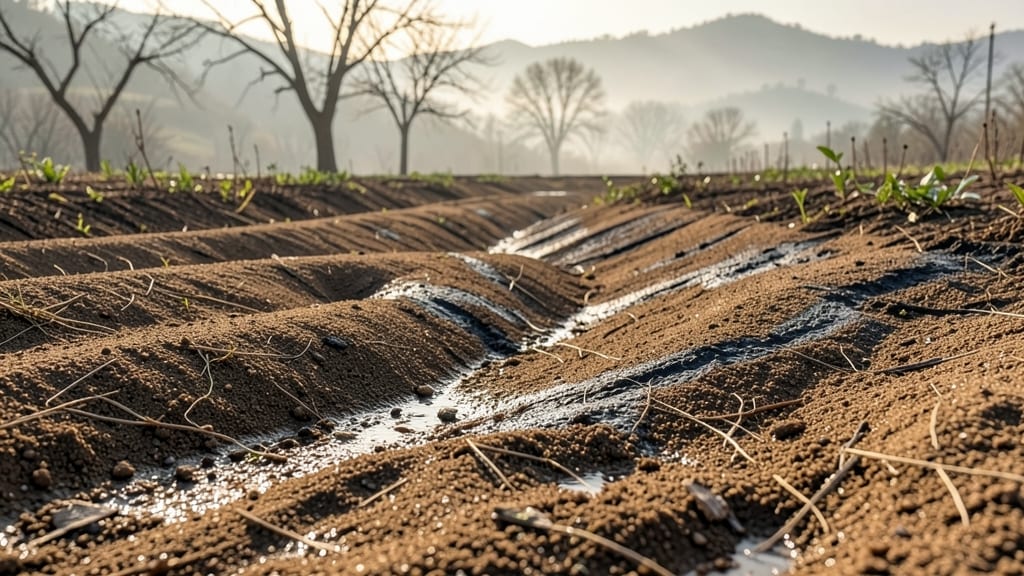
Struggling to pick the right soil for your plants? The perfect growing medium depends on your climate, plant type, and gardening goals. These seven soil types will transform your garden’s productivity—whether you’re battling drought, heavy rain, or poor drainage.
Loamy Soil for Versatile Plant Growth
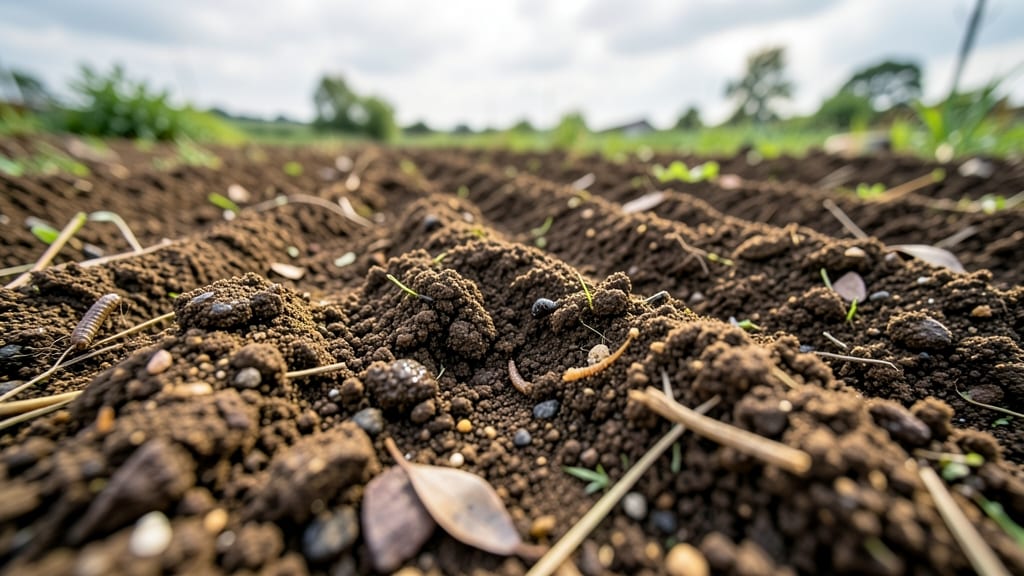
If you’ve ever struggled with plants that thrive one season but wilt the next, loamy soil might be your garden’s missing puzzle piece. This balanced soil type—often called "the gardener’s gold"—combines the best of sand, silt, and clay to create a crumbly, nutrient-rich foundation that most plants adore.
Loamy soil drains well enough to prevent waterlogging while retaining moisture for roots, making it perfect for vegetables like tomatoes and peppers, flowers such as roses and dahlias, and shrubs like hydrangeas. The ideal texture crumbles easily between your fingers, with a dark brown hue and a slight earthy smell. To test yours, squeeze a handful: if it holds shape but breaks apart when gently pressed, you’ve got loam!
This soil type is especially forgiving for moderate climates and beginner gardeners, as it requires fewer amendments than sandy or clay-heavy soils. Whether you’re growing food, flowers, or ornamentals, loamy soil sets the stage for thriving plants. 🌱
Sandy Soil for Fast-Draining Plants
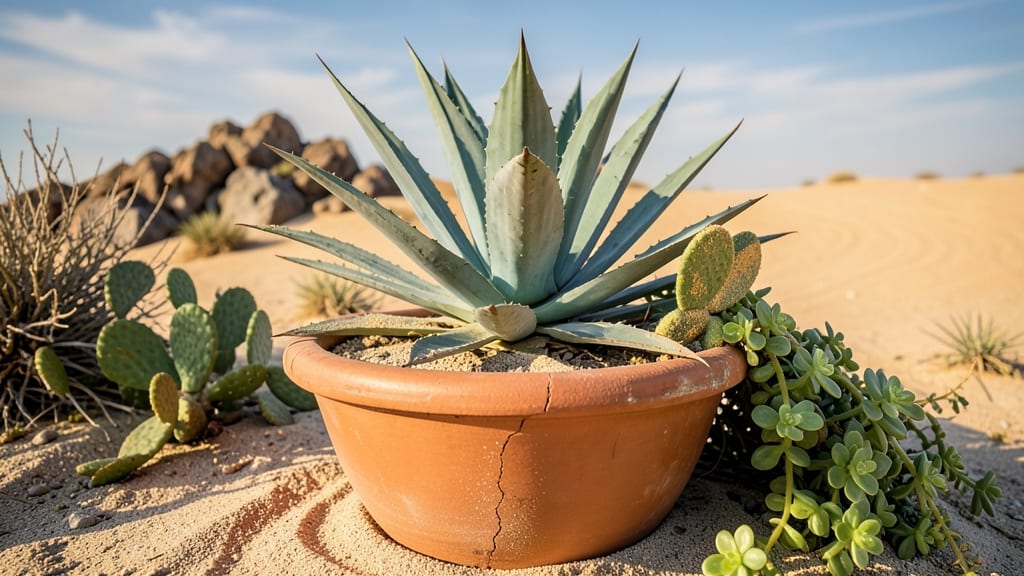
If your garden sits in a desert climate or you're dealing with naturally sandy soil, you're already halfway to growing thriving succulents and cacti. This fast-draining medium is a lifesaver for plants that despise soggy roots—think agave, prickly pear, and sedum—because it lets excess water escape before it causes rot.
Sandy soil's coarse texture creates air pockets that prevent compaction, making it ideal for drought-tolerant plants. However, its low nutrient content means you'll need to fertilize regularly. Mix in compost or aged manure (about 20%) to boost organic matter without clogging drainage. For containers, blend equal parts sand with cactus mix for perfect conditions.
This soil type is a game-changer for gardeners in arid regions or those using raised beds in sandy areas. Just remember: less water, more sun, and occasional amendments keep your desert garden flourishing. 🌻
Clay Soil for Moisture-Retentive Gardens
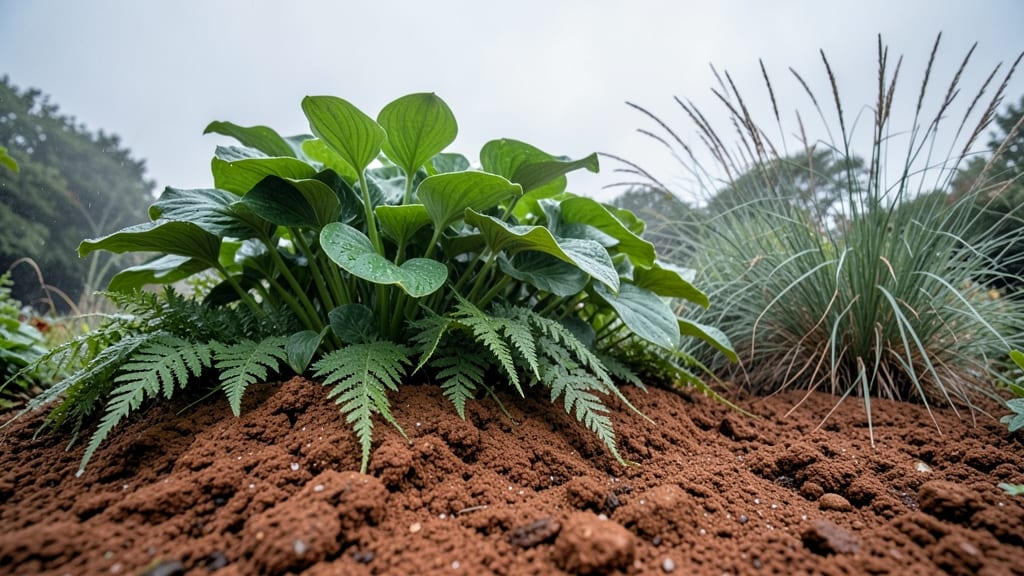
If your garden sits in a humid climate where rain feels like a daily occurrence, clay soil might be your secret weapon. This dense, moisture-rich soil holds water like a sponge, making it ideal for plants that thrive in consistently damp conditions—like hostas, ferns, and ornamental grasses—without the risk of overwatering.
However, clay’s heavy texture can suffocate roots if not amended properly. Mix in compost or aged manure to improve aeration and drainage, and consider adding sand or perlite for better structure. This soil type also warms up slowly in spring, so plan to start planting later than in loamy or sandy soils.
Perfect for gardeners in rainy regions or those who love lush, shade-tolerant plants, clay soil turns soggy conditions into a thriving garden paradise. 💚
Peat Moss Soil for Acid-Loving Plants
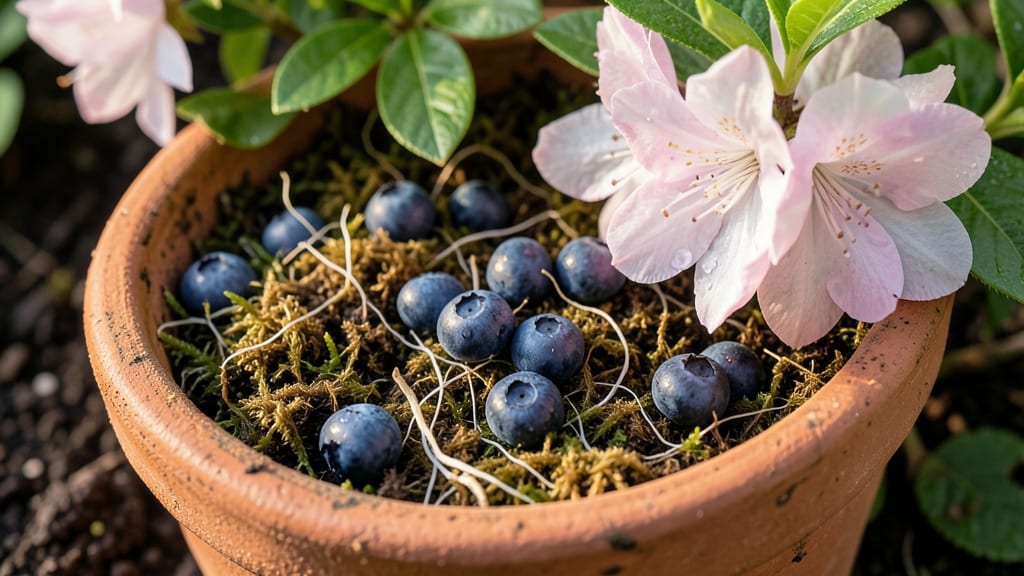
Want to grow blueberries that burst with flavor or azaleas that bloom like a cloud of color? Peat moss is the secret weapon for acid-loving plants that refuse to thrive in alkaline soil. This organic matter lowers pH naturally while creating air pockets that prevent soggy roots—ideal for container gardens where drainage is critical.
Mix peat moss with perlite or pine bark fines at a 1:1 ratio for containers, or work it into garden beds to create a 4.5-5.5 pH environment. Test your soil first—most garden soils are too alkaline for these finicky plants. For urban gardeners, peat moss blends with coconut coir to retain moisture while keeping roots oxygenated, perfect for year-round production.
This is the go-to soil amendment for gardeners who love acidophilic plants but hate the guesswork of pH adjustments. Just add and watch your rhododendrons flourish! 🌿
Chalky Soil for Alkaline Conditions
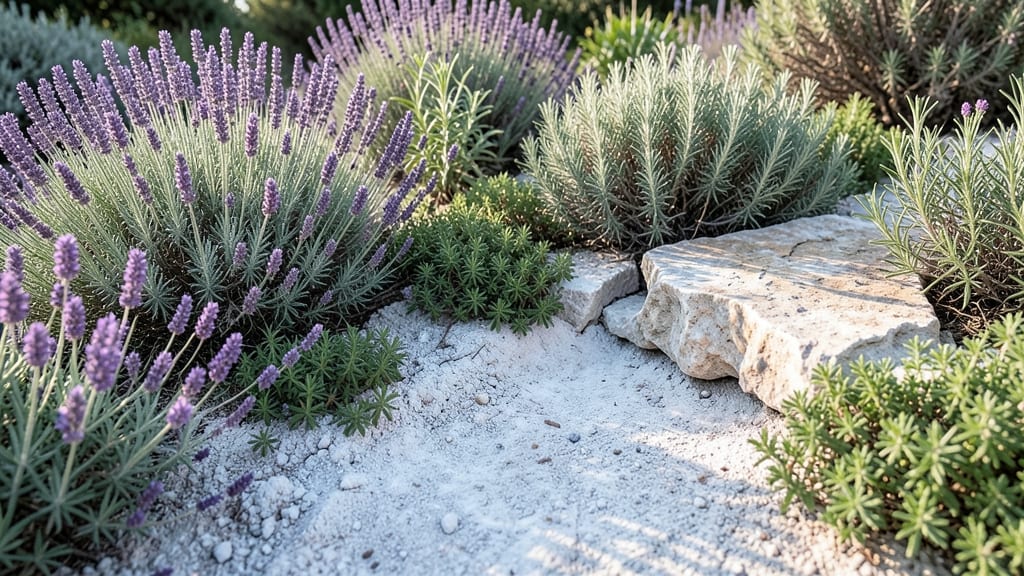
If you live in a limestone-heavy region, your chalky soil isn't a gardening curse—it's a hidden advantage for specific plants. This alkaline soil thrives in areas with natural limestone deposits, creating the perfect environment for alkaline-loving plants like lavender, rosemary, and thyme.
Chalky soil's high pH (typically 7.5-8.5) prevents nutrient deficiencies in calciphiles (plants that require calcium). To work with it, avoid acidic amendments like peat moss and instead add organic matter to improve texture. This soil type also naturally deters many pests and diseases, making it a low-maintenance choice for drought-tolerant Mediterranean plants.
Gardeners in limestone regions will find this soil type reduces watering needs while supporting vibrant blooms. It's especially valuable for those growing herbs and ornamental plants that thrive in alkaline conditions. 🌿
Compost-Rich Soil for Organic Gardening
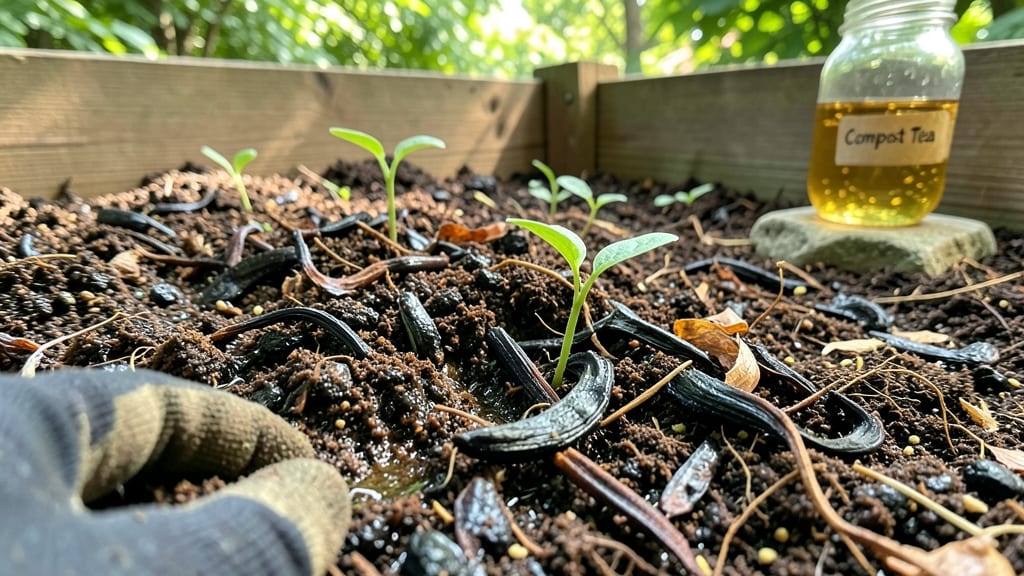
If you’re tired of struggling with nutrient-poor soil or want to grow thriving plants without synthetic fertilizers, compost-rich soil is your secret weapon. This living, breathing medium teems with beneficial microbes that break down organic matter into plant-available nutrients, creating the perfect foundation for organic gardening.
Start by mixing 50% compost (homemade or store-bought) with 50% native soil for an ideal balance. For container plants or seed starting mixes, use a blend of 60% compost and 40% perlite or coconut coir to improve aeration. The key is consistency—replenish with fresh compost every season to maintain microbial activity and nutrient density, ensuring your plants get a steady supply of nitrogen, phosphorus, and potassium.
This soil type works wonders for organic growers, urban gardeners with limited space, and anyone starting seeds indoors. Its versatility makes it a game-changer for any climate, turning even the most challenging soil into a fertile haven for your plants. 🌱
Hydroponic Growing Medium for Soilless Cultivation
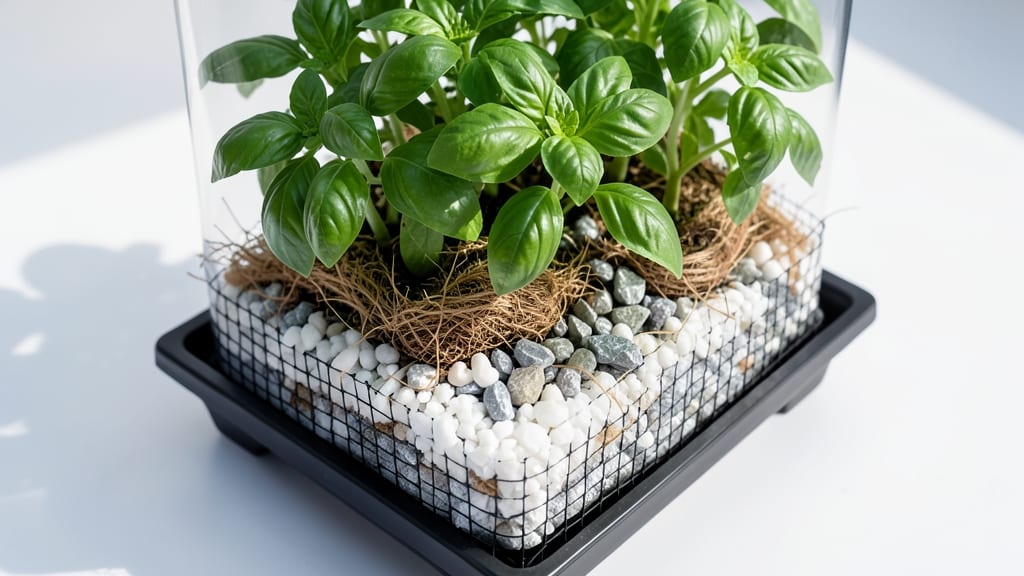
No backyard or heavy clay? No problem—hydroponic growing mediums let you grow thriving plants in small spaces using perlite, vermiculite, or coconut coir instead of traditional soil. This soilless method is a game-changer for urban dwellers, renters, or anyone without outdoor space.
These lightweight materials retain moisture while providing oxygen to roots, preventing rot and supporting fast growth in lettuce, herbs, and even tomatoes. Coconut coir mimics soil texture, perlite adds aeration, and vermiculite holds nutrients—mix them to match your plant’s needs. Systems like Kratky or deep water culture require minimal maintenance, making it perfect for beginners.
Perfect for year-round harvests on balconies or windowsills, hydroponics cuts water use by 90% and eliminates weeds. Urban gardeners and eco-conscious growers will love the precision and sustainability. 💡