
How To
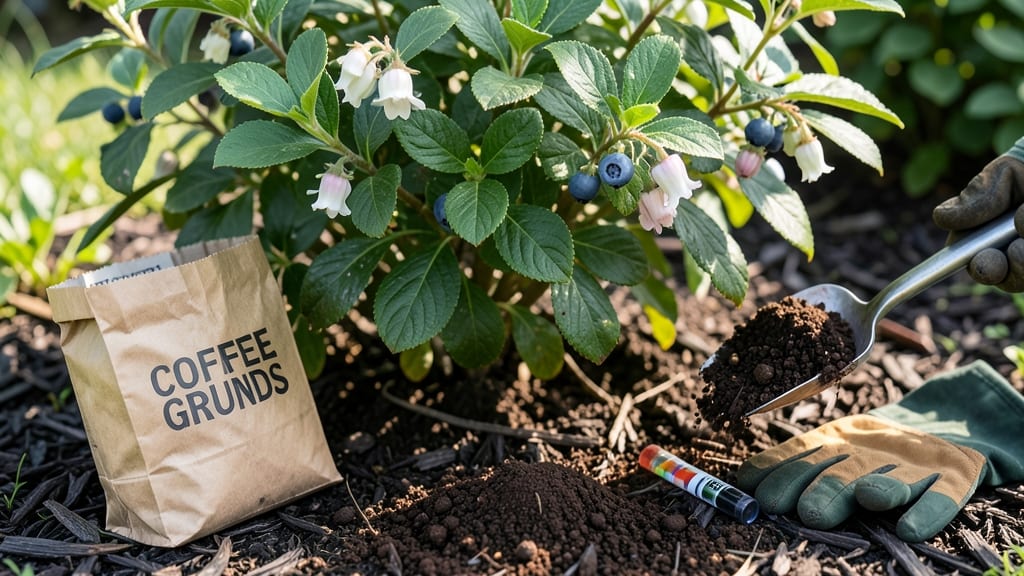
Using coffee grounds in your garden does make soil more acidic, lowering the pH by 0.1 to 0.3 units over time thanks to their natural acidity (around 6.2–6.8 pH), though results depend on soil type and how much you apply. They also boost nitrogen and organic matter, making them ideal for acid-loving plants like blueberries and azaleas.
Coffee grounds work because their organic acids—like chlorogenic and caffeic acid—gradually break down, releasing hydrogen ions that lower soil pH. 🌱 The nitrogen in coffee grounds also feeds beneficial microbes, which further accelerate decomposition and nutrient cycling.
However, the impact isn't instant: it takes weeks to months for the full effect to show, especially in heavy clay soils where drainage is slower. For best results, mix used grounds into the top 2–3 inches of soil rather than leaving them on the surface.
That said, don't overdo it—too much can create a sour, unbalanced soil environment. I recommend starting with 1–2 cups per plant per month and monitoring your soil's pH with a test kit.
If you notice yellowing leaves on plants that prefer neutral soil (like tomatoes), it's a sign you've tipped the balance too far. For alkaline-loving crops, balance the acidity by adding composted wood chips or crushed eggshells.
💡 In This Article
- How Coffee Grounds Affect Soil pH and Plant Growth
- Best Practices for Using Coffee Grounds in Acidic Soil Gardens
How coffee grounds affect soil pH and plant growth
The acidity of coffee grounds comes from their rich composition of organic acids, primarily chlorogenic and caffeic acids, which have a pH of around 4.85–5.10 when fresh.
When these grounds decompose, they release hydrogen ions into the soil, gradually lowering its pH. 🌱 This process is gradual—typically taking 4–8 weeks for noticeable changes—because the acids must first break down through microbial activity.
The nitrogen content (about 1.5–2.5% by weight) further fuels microbial growth, accelerating decomposition and nutrient release.
Soil type dramatically alters the impact. In sandy soils, which drain quickly, the acidifying effect is more pronounced and short-lived, as water carries dissolved acids deeper before they can fully react. Conversely, clay soils hold moisture longer, allowing acids to linger and create a more sustained pH drop.
For example, adding 1 cup of coffee grounds per square foot to sandy soil might lower pH by 0.2 units within a month, while the same amount in clay could reduce it by 0.3–0.4 units over three months.
Unlike synthetic acidifiers like sulfur or aluminum sulfate, coffee grounds also contribute organic matter that improves soil structure and water retention.
This dual benefit makes them ideal for acid-loving plants like blueberries (ideal pH: 4.5–5.5), azaleas (5.0–6.0), and hydrangeas (which can shift flower color based on soil pH).
However, their nitrogen content can be a double-edged sword—too much can lead to leaf burn or excessive microbial activity that depletes oxygen in compacted soils.
When compared to other acidic amendments, coffee grounds offer a milder, more balanced approach. Pine needles, for instance, lower pH more slowly (by 0.1–0.2 units annually) due to their lower nitrogen content, while sulfur can drop pH by 1–2 units per application but requires careful dosing to avoid toxicity.
Coffee grounds strike a middle ground, making them safer for most gardeners while still delivering measurable results.
One often-overlooked factor is the freshness of the grounds.
Freshly brewed grounds contain higher concentrations of organic acids, while stale or moldy grounds (pH can rise above 7.0 if decomposed improperly) may actually raise soil pH. To maximize acidification, use grounds within 24–48 hours of brewing and mix them into the top 2–3 inches of soil, where microbial activity is highest.
For gardeners with neutral or alkaline soils, coffee grounds can be a game-changer.
A 2018 study in the Journal of Environmental Quality found that amending alkaline soil (pH 7.5–8.0) with coffee grounds reduced pH by 0.5 units in just 6 weeks, bringing it into the optimal range for many vegetables and flowers.
The key is patience and moderation—think of coffee grounds as a slow-release acidifier rather than a quick fix.