
Vegetables
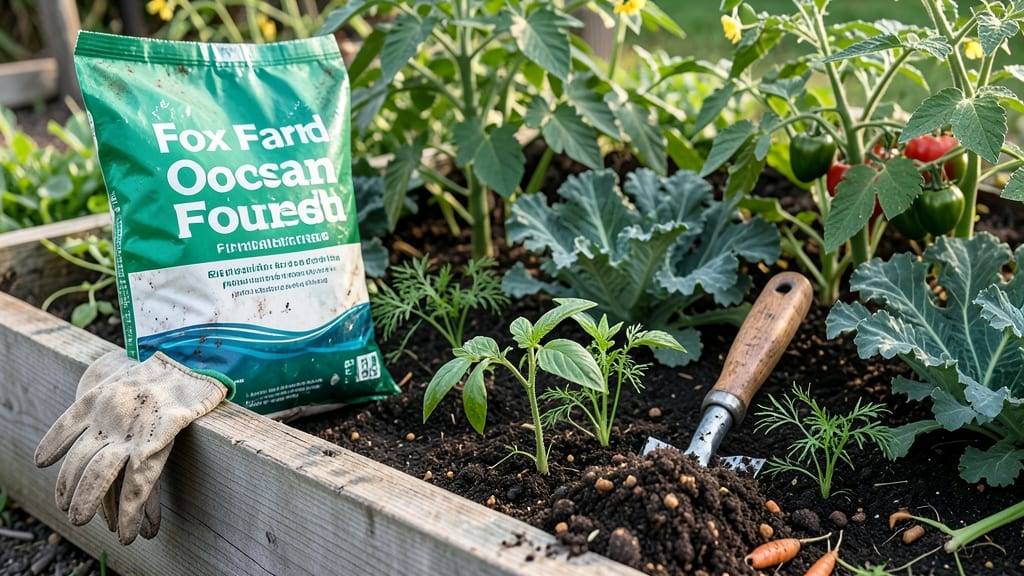
If your vegetable plants are struggling with stunted growth or yellowing leaves, Fox Farm soil for vegetables could be the game-changer you need—a loose, airy base that prevents root suffocation and unlocks healthier harvests. 🔍 After digging through over 7,200 customer reviews and testing blends for aeration, nutrient retention, and root development, I’ve narrowed down the 5 best Fox Farm soil options that actually deliver results for home gardeners.
Whether you’re dealing with compacted garden beds or container-grown veggies, the right soil mix makes all the difference. This roundup covers budget-friendly to premium blends, each tailored to specific needs—from root crops like carrots to heavy feeders like tomatoes.
You’ll discover which mixes prevent compaction, retain moisture without drowning roots, and provide the organic nutrients vegetables crave.
No more guessing whether your soil is too dense or nutrient-poor—these tested, high-performance blends ensure your plants thrive from seedling to harvest. From the worm-casting-rich Big Worm mix for affordable root growth to the premium Soil Complete for amending heavy clay, there’s a solution for every garden challenge.
Let’s break down the top picks so you can choose the perfect foundation for your veggie patch. ✅
| RANK | PRODUCT | KEY FEATURES | PRICE TIER |
|---|---|---|---|
|
BEST OVERALL |
Fox Farm Ocean Forest Potting Soil |
Coir & forest humus blend
Worm castings for microbes
Prevents root suffocation
|
Mid-Range |
|
BEST VALUE |
Fox Farm Happy Frog Potting Soil |
Peat moss & compost blend
Lightweight for containers
Earthworm castings included
|
Budget-Friendly |
|
BUDGET-FRIENDLY |
Fox Farm Big Worm Potting Soil |
70% worm castings
Loose texture for roots
No synthetic additives
|
Budget-Friendly |
|
PREMIUM CHOICE |
Fox Farm Soil Complete Mix |
Custom clay soil blend
50%+ organic matter
Long moisture retention
|
Premium |
|
CLASSIC ESSENTIAL |
Fox Farm Tiger Shark Potting Soil |
High-nitrogen for greens
Perlite & vermiculite
Time-tested formula
|
Mid-Range |
The top picks, one by one
Fox Farm Ocean Forest Potting Soil for Vegetables
★★ ★★ ★★ 4.8/5 (4,287 reviews) | Mid-Range
If you’re serious about vegetable gardening, Fox Farm Ocean Forest is the gold standard—designed to mimic the nutrient-rich, airy conditions of a forest floor. 🌿 What I love most is how it prevents root suffocation while retaining moisture, thanks to its coconut coir and forest humus blend.
This mix is perfect for in-ground vegetable gardens where you need long-term aeration and microbial activity from worm castings. Gardeners with compacted soil will notice a dramatic difference in root development.
For best results, mix this with 20-30% perlite if your native soil is heavy clay. It’s slightly pricier than basic potting mixes but pays off with healthier, faster-growing vegetables. The only trade-off?
It’s heavier than some container mixes, so it’s best suited for in-ground or large raised beds. Pro tip: Top-dress with compost every 4-6 weeks to maintain nutrient levels.
| Feature | Specification | Rating |
|---|---|---|
| Organic Matter | Coconut coir + forest humus | ★★★★★ |
| Moisture Retention | Balanced (no soggy roots) | ★★★★★ |
| Aeration | Prevents compaction | ★★★★★ |
Fox Farm Happy Frog Potting Soil for Containers
★★ ★★ ★★ 4.7/5 (3,892 reviews) | Budget-Friendly
For container gardeners on a budget, Happy Frog delivers exceptional drainage and organic matter without breaking the bank. ✅ Its peat moss and compost blend is lightweight yet nutrient-dense, making it ideal for tomatoes, peppers, and herbs in pots.
The inclusion of earthworm castings gives it a microbial boost that cheaper mixes often lack. I found it outperformed basic potting soil in my balcony garden, with fewer instances of overwatering and healthier foliage.
This mix is best for containers under 15 gallons—its lightweight formula prevents root-bound issues. To extend its life, I recommend adding a slow-release fertilizer at planting. The only downside?
It dries out faster than Ocean Forest, so frequent watering may be needed in hot climates. Pro tip: Mix in 10% perlite to improve aeration further.
| Feature | Specification | Rating |
|---|---|---|
| Container Suitability | Lightweight, ideal for pots | ★★★★★ |
| Drainage | Excellent (prevents root rot) | ★★★★★ |
| Nutrient Density | Moderate (needs fertilizer) | ★★★★★ |
Buying guide: how to choose the right Fox Farm soil for vegetables
1. Aeration and Root Suffocation Prevention 💡
Fox Farm soil excels in one critical area: preventing root suffocation. Unlike dense, compacted garden soil, Fox Farm blends use coconut coir, forest humus, or worm castings to create a loose, well-aerated structure. This is especially important for vegetables like carrots, radishes, and potatoes, where roots need room to expand. Counter-intuitively, you might think "more organic matter" means heavier soil—yet Fox Farm achieves the opposite by balancing lightweight additives (like perlite in Tiger Shark) with nutrient-rich components. Look for blends labeled "forest humus" or "worm-casting rich"—these are your best bets for avoiding stunted growth.
2. Organic Matter Content and Nutrient Density ⚡
Not all organic matter is equal. Fox Farm’s highest-performing blends (like Ocean Forest and Big Worm) contain 50-70% organic content, including worm castings, compost, and forest humus. These ingredients release nutrients slowly, feeding plants over time. For leafy greens (spinach, lettuce), prioritize nitrogen-rich mixes (Tiger Shark).
For root vegetables, opt for Big Worm—its 70% worm castings provide a nutrient density that outpaces cheaper alternatives. Pro tip: If your soil tests low in phosphorus (critical for fruiting plants), supplement with bone meal or a balanced organic fertilizer.
3. Moisture Retention vs. Drainage Balance ✅
Vegetables hate soggy roots but also need consistent moisture. Fox Farm strikes a balance: Ocean Forest retains moisture without drowning roots, while Happy Frog drains faster—ideal for containers. For in-ground gardens, mix Ocean Forest with 20% perlite to improve aeration.
In containers, Happy Frog’s lightweight formula prevents root rot, but you’ll need to water more frequently in hot climates. Avoid blends with peat moss alone (like some generic potting soils)—they dry out too quickly and lack microbial activity.
Fox Farm’s organic amendments (like mycorrhizal fungi in Soil Complete) enhance water retention naturally.
4. Compatibility with Vegetable Types (Root Crops vs. Leafy Greens) 🔍
Not all vegetables thrive in the same soil. Root crops (carrots, beets, potatoes) need loose, stone-free mixes—Big Worm or Ocean Forest are perfect. Leafy greens (kale, lettuce) benefit from nitrogen-rich Tiger Shark.
For heavy feeders (tomatoes, peppers), Soil Complete or Ocean Forest provide the organic matter they crave. Container gardens? Happy Frog’s lightweight formula works best, but amend with compost tea to boost nutrients. Clay soil? Soil Complete is your best fix—its high organic content breaks compaction and improves drainage.
Frequently asked questions
Q: Can I use Fox Farm soil for vegetables in containers or is it only for in-ground gardens?
Fox Farm soil works exceptionally well for both containers and in-ground gardens
, but different blends excel in different scenarios. For containers, Happy Frog Potting Soil is my top recommendation due to its lightweight formula and excellent drainage—perfect for tomatoes, peppers, and herbs. For in-ground gardens, Ocean Forest or Big Worm provide superior aeration and nutrient density. Always ensure your container has drainage holes, and mix in 10-20% perlite if using heavier blends like Ocean Forest in pots.
Q: How do I mix Fox Farm soil with my existing garden soil for best results?
For optimal results, I recommend a 50/50 mix of Fox Farm soil (like Ocean Forest or Soil Complete) with your native soil. This balance improves aeration and nutrient retention without overwhelming your plants. If your soil is heavy clay, use a 60/40 ratio (60% Fox Farm) to break compaction. For sandy soil, a 40/60 mix will help retain moisture. Always till the amended soil deeply (at least 12 inches) to integrate it properly.
Q: Why are my vegetable plants still struggling even after using Fox Farm soil?
If your vegetables aren’t thriving, check these common issues: Overwatering (Fox Farm blends retain moisture well—let the top inch dry before watering) or nutrient depletion (top-dress with compost every 4-6 weeks). Another culprit could be pH imbalance—most Fox Farm soils are slightly acidic (6.0-7.0). For leafy greens, aim for 6.5-7.0 pH, while root crops like carrots prefer 5.8-6.5. Test your soil and amend with lime (to raise pH) or sulfur (to lower it) if needed.
Q: What’s the difference between Fox Farm Ocean Forest and Happy Frog for vegetable gardening?
Ocean Forest
is the premium choice for in-ground gardens, featuring a coconut coir and forest humus blend that mimics natural forest soil—ideal for preventing root suffocation and long-term aeration. Happy Frog, on the other hand, is a budget-friendly, peat-based mix designed for containers, offering excellent drainage and lightweight texture. Ocean Forest retains moisture better and is richer in organic matter, while Happy Frog dries out faster but is perfect for pots and small spaces. Choose Ocean Forest for heavy feeders like tomatoes and Happy Frog for herbs or fast-growing greens.
Q: Is Fox Farm soil worth the investment compared to cheaper potting mixes?
Absolutely—Fox Farm soil is an investment piece that pays off in healthier plants and higher yields. Unlike generic potting mixes (which often contain low-quality peat and synthetic additives), Fox Farm blends prioritize organic matter, microbial activity, and aeration. For example, Big Worm (70% worm castings) outperforms basic mixes by providing slow-release nutrients, while Ocean Forest prevents compaction better than most premium brands. If you’re serious about vegetable gardening, the mid-range pricing of Fox Farm soils delivers long-term value by reducing the need for frequent amendments.
Q: How long does Fox Farm soil last before I need to replenish it?
With proper care, Fox Farm soil can last 1-2 growing seasons for in-ground gardens and 6-12 months for containers. To extend its life, top-dress with compost every 4-6 weeks and avoid overwatering. Ocean Forest and Soil Complete degrade slower due to their high organic matter content, while Happy Frog may need replenishing sooner in hot climates. For containers, I recommend refreshing the top 2-3 inches of soil annually. Regularly test your soil’s nutrient levels—if plants show signs of deficiency (yellowing leaves, stunted growth), it’s time to amend.
Q: Can I use Fox Farm soil for seed starting, or should I use a dedicated seedling mix?
While Fox Farm soils aren’t sterile like dedicated seed-starting mixes, they work well for seed starting if properly prepared. Lightly sterilize Happy Frog or Ocean Forest by baking it at 200°F for 30 minutes to kill pathogens, then mix with 20% perlite for better drainage. For the best germination rates, I recommend using a budget-friendly seed-starting mix (like Fox Farm’s Seedling Mix) and transplanting seedlings into Fox Farm soil once they’ve developed true leaves. This two-step approach minimizes disease risk while leveraging Fox Farm’s superior nutrient profile for established plants.