
How To
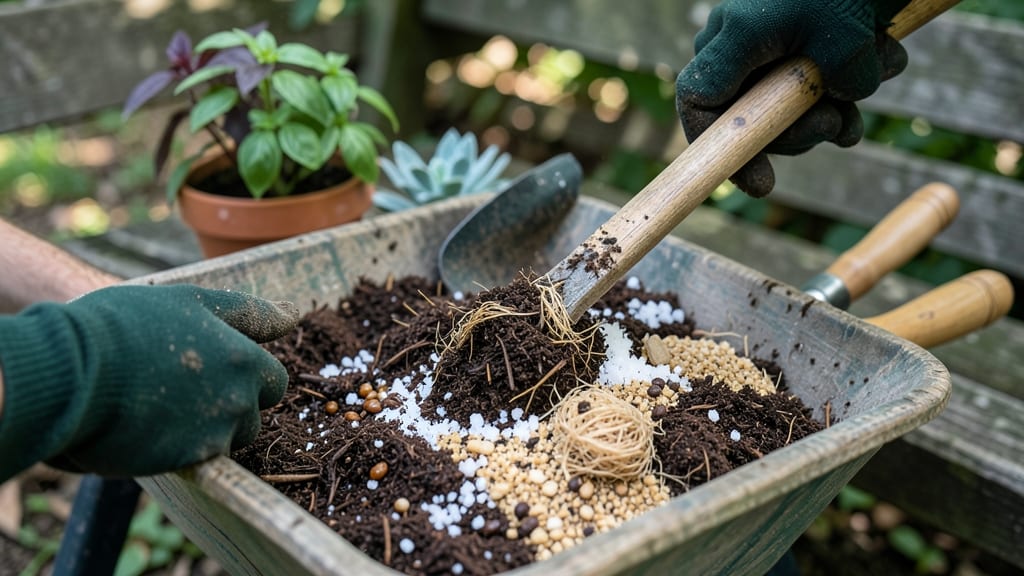
How to make potting soil at home is like crafting a custom meal for your plants—each ingredient plays a role. 🌱 I started blending my own mix after realizing store-bought soil left my seedlings thirsty and my houseplants root-bound. The secret lies in balancing compost for nutrients, perlite for aeration, and a touch of worm castings for that extra boost.
Start with one part compost (homemade or store-bought), one part perlite or vermiculite for drainage, and one part coconut coir or peat moss to hold moisture. For extra fertility, toss in half a part worm castings—they’re the plant equivalent of a multivitamin.
Sterilize everything first by baking containers at 200°F for 30 minutes to kill pests or diseases lurking in old soil.
This mix works wonders for seedlings, houseplants, and container gardens—just adjust ratios based on your plants’ needs. Succulents need more perlite (up to 40%), while ferns thrive with extra peat moss.
The result? Soil that stays fluffy, drains well, and keeps roots happy without the risk of fungal gunk that comes with cheap blends.
Once you’ve mastered the basics, experiment with additives like charcoal for odor control or sand for extra grit. Store your mix in a sealed bin for up to 6 months, and always label it with the date and ingredients.
Your plants will thank you with stronger roots and healthier growth—no mystery ingredients required.
Common Causes of Poor Soil Mixes
Creating a balanced potting soil blend at home isn’t just about tossing ingredients together—it’s about understanding why a mix might fail. Whether your soil drains too quickly, stays soggy, or lacks nutrients, the root causes often boil down to a few key factors.
Let’s break down the science behind these issues so you can troubleshoot like a pro.
A potting soil mix is like a recipe—if one ingredient dominates, the whole dish suffers. For example:
- Too much sand or perlite: While these add drainage, overdoing it creates a mix that holds no moisture or nutrients. Plants wilt because their roots can’t access water or organic matter.
- Too much peat or compost: Excess organic material can compact over time, reducing aeration and suffocating roots. It may also break down too quickly, leaving your mix with little structure.
- Missing key components: Skipping perlite, vermiculite, or worm castings means your soil lacks air pockets, water retention, or microbial activity, stunting plant growth.
Actionable fix: Aim for a balanced ratio like 40% compost, 30% perlite/vermiculite, and 30% coconut coir or peat moss. Adjust based on your plant’s needs (e.g., succulents need more perlite; ferns need more moisture-retentive ingredients).
Organic materials like compost or worm castings are packed with nutrients, but if they’re not fully decomposed, they can:
- Compete with roots for nitrogen (a process called immobilization), starving plants of essential nutrients.
- Create anaerobic pockets where microbes thrive without oxygen, leading to rot or foul odors.
- Clump excessively, reducing aeration and making it hard for roots to spread.
Actionable fix:
- Use well-aged compost (at least 6 months old) or worm castings, which are pre-processed and nutrient-ready.
- Add a small amount of garden lime (1–2 tbsp per gallon) to speed up decomposition if your mix smells sour or looks fresh.
Potting soil that’s too sandy drains like a sieve, while too clay-heavy holds water like a sponge—both are disasters for roots. Here’s why:
| Problem | Cause | Effect on Plants |
|---|---|---|
| Excessive drainage | Too much perlite, sand, or bark without enough organic matter. | Roots dry out quickly; plants wilt despite frequent watering. |
| Poor drainage | Too much peat, clay, or undecomposed compost without amendments. | Roots suffocate; waterlogged soil leads to root rot and fungal diseases. |
Actionable fix: Test your mix’s moisture balance by squeezing a handful:
- If it crumbles = add compost or coconut coir.
- If it holds a shape = add perlite or vermiculite.
- If it feels sticky = mix in sand or rice hulls.
A healthy potting mix teems with beneficial microbes (bacteria, fungi, protozoa) that break down organic matter and suppress pathogens. But if your mix is:
- Sterile (e.g., all-new ingredients): Lacks the microbiome needed for nutrient cycling. Plants grow slowly or show yellowing leaves (a sign of nutrient deficiency).
- Infested with pests: Eggs, larvae, or fungi (like Thielaviopsis or Rhizoctonia) hitchhike on fresh compost or garden soil, attacking roots.
Actionable fix:
- Add a starter culture like mycorrhizal fungi or compost tea to jumpstart microbial activity.
- Sterilize homemade soil by baking it in the oven at 200°F (93°C) for 30 minutes (kills pests but preserves structure).
- Use pasteurized compost (heated to 145°F/63°C for 30 minutes) to kill pathogens without harming plants.
Soil chemistry isn’t just about ingredients—it’s also about environmental conditions. Extreme pH or temperature can throw your mix off:
- pH extremes:
- Too acidic (pH < 5.5): Locks out nutrients like phosphorus and calcium. Common in peat-heavy mixes.
- Too alkaline (pH > 7.5): Reduces availability of iron and manganese. Often happens with lime-heavy or sandy soils.
- Temperature fluctuations:
- Cold soil: Slows microbial activity, halting nutrient release (critical in winter).
- Overheated soil: Kills beneficial microbes and speeds up decomposition, depleting nutrients.
Actionable fix:
- Test pH with a soil kit and adjust:
- For acidic soil: Add pelletized lime (1 tsp per gallon).
- For alkaline soil: Mix in sulfur or pine bark fines.
- Keep soil consistently warm (60–75°F/15–24°C) by using black plastic pots in cold climates or mulching in hot ones.
Fixing Common Potting Soil Mistakes
Now that you know what can go wrong when making potting soil at home, let’s turn those challenges into opportunities with practical, step-by-step fixes—plus tips to keep your mix perfect from start to finish.
Whether your soil is too dense, too acidic, or just plain lifeless, these solutions will get your plants thriving in no time.
Cause: Overuse of garden soil, lack of organic matter, or improper aeration. Fix:
- 🍳 Loosen the Mix
- Add coarse perlite or vermiculite (1 part per 3 parts soil) to improve drainage and aeration. These lightweight additives create air pockets, preventing compaction.
- Pro Tip: If your soil feels like wet clay when squeezed, it’s time to lighten it up!
- 🌱 Boost Organic Matter
- Mix in coco coir, peat moss, or well-aged compost (20–30% of the total mix). These ingredients retain moisture while keeping the soil fluffy.
- Prevention: Avoid using fresh garden soil—it compacts easily and may harbor weeds or pests.
- ⏰ Test and Adjust Over Time
- After repotting, gently press the soil around roots but don’t pack it down. Overwatering can also compact soil, so let the top inch dry between waterings.
Cause: Overuse of peat moss (acidic) or limestone (alkaline), or tap water pH imbalances. Fix:
- 📊 Balance the pH
- For acidic soil (pH < 6.0): Add crushed eggshells, wood ash, or dolomitic lime (1 tbsp per gallon of mix). These raise pH gradually.
- For alkaline soil (pH > 7.5): Mix in pine needles, coffee grounds, or sulfur (½ tsp per gallon). These lower pH naturally.
- Test First: Use a soil pH meter (under $10) to check before adjusting.
- 💡 Use Buffered Water
- If your tap water is hard or soft, try rainwater or distilled water to avoid altering pH unexpectedly.
- Prevention: Store rainwater in a clean barrel for consistent pH.
- 🌿 Add Buffering Agents
- Worm castings or kelp meal (1–2 tbsp per gallon) help stabilize pH while adding nutrients. They’re gentle and effective for sensitive plants like azaleas or blueberries.
Cause: Lack of drainage materials, overwatering, or using only fine particles (like silt). Fix:
- 🔪 Improve Drainage
- Double-check your base layer: Always add a 2–3 inch layer of gravel or broken pottery at the bottom of pots to prevent soggy roots.
- Add chunky additives: Mix in orchid bark, rice hulls, or perlite (10–20% of the mix) to create airflow.
- 🌧️ Adjust Watering Habits
- Water only when the top 1–2 inches of soil feel dry. Use a moisture meter to avoid guesswork.
- Prevention: Use terracotta pots (they wick away moisture) or pots with drainage holes.
- 🔄 Refresh the Mix
- If your soil is already waterlogged, replace 30–50% of it with a fresh, well-draining blend. Dump the old mix into your compost bin—it can still decompose into useful nutrients!
Cause: Over-reliance on inorganic materials (like sand) or using only one type of compost. Fix:
- 🥗 Layer in Nutrients
- For greens (leafy plants): Add worm castings (20%) + banana peels (chopped, 5%) for potassium.
- For bloomers (flowers/fruits): Mix in crushed eggshells (10%) + kelp meal (2%) for calcium and micronutrients.
- Pro Tip: Rotate nutrients seasonally—spring for nitrogen (fish emulsion), summer for phosphorus (bone meal).
- 🌱 Use Slow-Release Boosters
- Compost tea (brewed from worm castings) or mycorrhizal fungi (available in powder form) enhance nutrient uptake over time.
- Prevention: Avoid synthetic fertilizers in homemade mixes—they can burn roots. Stick to organic amendments.
- 🔄 Rotate Your Mix
- Every 3–6 months, refresh your potting soil by adding 5–10% new compost or aged manure. This keeps nutrients fresh without overloading the mix.
To avoid future headaches, follow this quick checklist before repotting: - ✅ Drainage First: Always include perlite, vermiculite, or bark (never skip this!). - ✅ Balance the Base: Use a 50/50 mix of organic (compost/coco coir) and inorganic (perlite/sand). - ✅ Test Before Planting: Squeeze a handful—it should crumble easily (not stick together) and retain shape (not fall apart). - ✅ pH Check: Aim for 6.0–7.0 (most plants thrive here).
Adjust with amendments if needed. - ✅ Sterilize If Needed: Microwave small batches of soil (30 sec) to kill weeds/seeds before use.
Remember: The best potting soil is a custom blend—experiment with ratios until you find what works for your plants! With these fixes, your homemade mix will be lighter, richer, and ready to grow in no time. 🌱✨
Frequently asked questions about homemade potting soil
What’s the simplest homemade potting soil mix for beginners?
Start with equal parts compost (homemade or store-bought), perlite (for aeration), and coco coir or peat moss (for moisture). For extra nutrients, add half the amount of worm castings. This basic blend works for most houseplants and seedlings.
Can I use garden soil instead of compost in my homemade mix?
No—garden soil compacts easily and can introduce weeds or pests. Instead, use well-aged compost (at least 6 months old) or worm castings. If you must use garden soil, sterilize it first by baking at 200°F for 30 minutes to kill pathogens.
How do I adjust my mix for plants that need extra drainage (like succulents)?
For succulents or cacti, increase the perlite or vermiculite to 40-50% of the mix and reduce the compost to 20-30%. Add pumice or coarse sand for even better airflow. This prevents root rot while keeping moisture low.
How long does homemade potting soil last before it breaks down?
Homemade mixes last 6-12 months if stored in a dry, sealed container. Over time, organic matter decomposes, so refresh by adding 5-10% new compost every few months. For long-term storage, reduce moisture content to prevent mold.
What’s the best way to sterilize homemade potting soil?
For small batches, bake soil in the oven at 200°F for 30 minutes to kill pests and pathogens. For larger quantities, use a microwave (30-second bursts) or solarize by covering soil with clear plastic for 4-6 weeks in hot sun. Always let it cool completely before use.