
How To
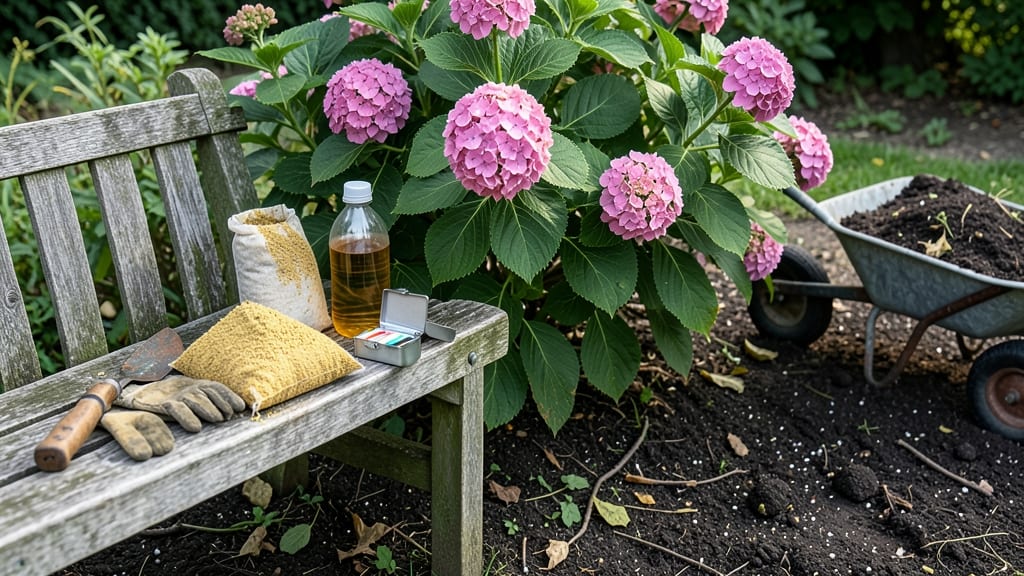
To make soil more acidic for hydrangeas, add organic matter like pine needles or composted leaves, apply sulfur-based amendments, or use acidifying fertilizers such as iron sulfate. Test soil pH regularly to maintain a target range of 5.0–5.5 for optimal blooms.
Hydrangeas thrive when their soil pH is between 5.0 and 5.5, which unlocks vibrant blooms by improving nutrient absorption. 🌸 The key is using slow-release acidifiers like pine bark fines or cottonseed meal, which break down gradually without shocking plant roots.
I’ve found that mixing these into the top 6 inches of soil in early spring gives hydrangeas a steady acid boost throughout the growing season. For faster results, liquid acidifiers like iron sulfate work well but require careful dosing—too much can harm beneficial soil microbes.
What’s interesting is how soil acidity directly impacts flower color. Blue hydrangeas need more aluminum availability, while pink varieties prefer slightly less acidic conditions. Testing your soil’s pH every 6 months helps you fine-tune the balance, ensuring your plants stay healthy and produce the colors you love.
Think of it like adjusting the seasoning in a recipe—just enough to enhance the flavor without overpowering it.
💡 In This Article
- How Hydrangeas Respond to Soil pH Changes
- Best Organic and Synthetic Soil Acidifiers for Hydrangeas
How hydrangeas respond to soil pH changes
Hydrangeas are incredibly sensitive to soil acidity because their nutrient uptake systems rely on specific pH conditions. At an ideal pH of 5.0–5.5, the soil chemistry unlocks essential micronutrients like iron, manganese, and aluminum—elements that become locked away in alkaline soils.
The roots' ability to absorb these nutrients is directly tied to the availability of hydrogen ions (H+) in the soil solution. When pH drops below 5.0, aluminum toxicity can occur, damaging root cells and stunting growth, while pH above 6.0 reduces iron availability, causing yellowing leaves—a condition called chlorosis.
The most dramatic visual effect of soil pH changes is flower color transformation. Blue hydrangeas owe their hue to high aluminum availability in acidic soils, which binds to anthocyanin pigments.
In less acidic conditions (pH 6.0+), these pigments shift toward pink or red. 🌸 This color shift happens because aluminum becomes less soluble, altering pigment production in the flower cells.
For example, a hydrangea that blooms blue at pH 5.2 might turn pink at pH 6.0, demonstrating how critical precise pH management is for achieving your desired floral display.
Beyond nutrients and color, soil acidity influences beneficial microbial activity. Mycorrhizal fungi—symbiotic organisms that help hydrangeas absorb water and nutrients—thrive in slightly acidic conditions. These fungi form a network around roots, increasing surface area for nutrient exchange.
When soil pH rises above 6.0, mycorrhizal activity declines by up to 40%, weakening the plant's overall health. This microbial connection explains why even well-fertilized hydrangeas may struggle in alkaline soils—they're missing this critical partnership.
Another critical factor is how hydrangeas manage calcium and magnesium uptake. In acidic soils, these essential minerals remain available for root absorption, while in alkaline conditions, they precipitate out of solution as insoluble compounds.
This imbalance leads to nutrient deficiencies that manifest as weak stems, poor blooming, and overall stunted growth. The plant's ability to regulate its internal pH also becomes compromised, making it more susceptible to diseases like powdery mildew.
What most gardeners overlook is the seasonal pH fluctuation that occurs naturally. Rainwater, which is slightly acidic (pH 5.6), can temporarily lower soil pH, while organic matter decomposition releases alkaline compounds.
This is why consistent monitoring is essential—hydrangeas need their soil to stay within that 5.0–5.5 range year-round, not just during peak growing seasons. The key is understanding that soil chemistry is a dynamic process, not a one-time adjustment.
For those who've struggled with hydrangeas turning brown or producing sparse blooms, the solution often lies in this pH-nutrient-microbe triangle. When all three components are optimized, hydrangeas don't just survive—they thrive, producing abundant flowers with vibrant colors that reflect the precise soil chemistry you've cultivated. 💫