
Advice
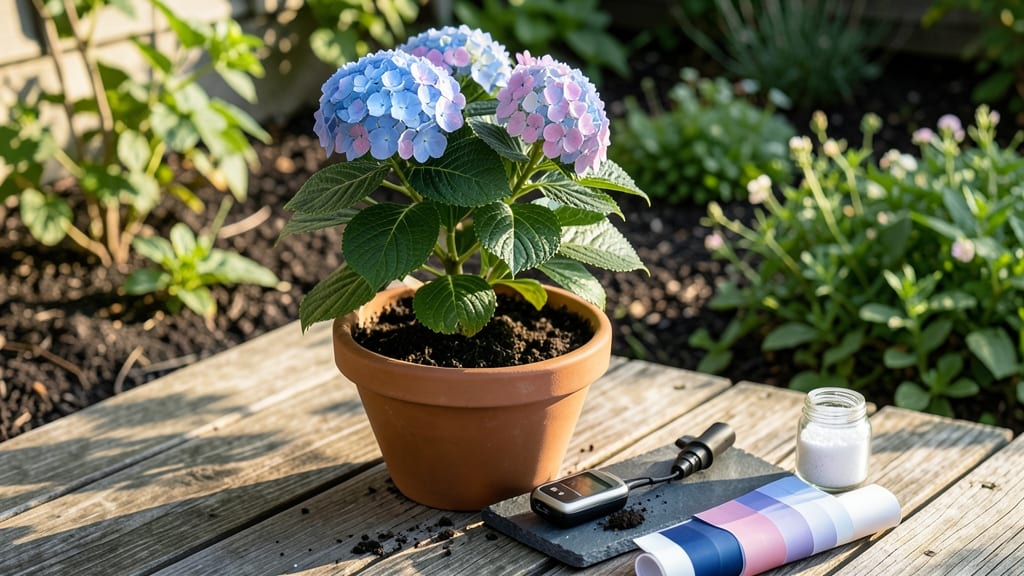
Hydrangea color shifts dramatically with soil pH by altering anthocyanin pigments: aim for acidic soil (5.2–5.5) for blue blooms, neutral soil (6.0–6.2) for pink, and slightly alkaline soil (6.5+) for purple or lavender hues. Regular pH testing ensures consistent color results.
Soil pH isn't just about numbers—it's about chemistry. The anthocyanin pigments in hydrangeas respond directly to aluminum availability: acidic conditions help plants absorb more aluminum, which enhances blue pigment production. 💫 Meanwhile, higher pH levels reduce aluminum uptake, allowing pink or purple pigments to dominate.
I've seen gardeners achieve stunning color transformations simply by adjusting their soil's acidity, especially with varieties like Hydrangea macrophylla.
For practical results, test your soil annually using a simple DIY kit or lab test. If your blooms aren't the color you want, organic amendments like elemental sulfur (for acidity) or crushed limestone (for alkalinity) can make all the difference.
The key is patience—soil pH changes take time to stabilize, so plan adjustments at least 3 months before your hydrangeas bloom.
💡 In This Article
- The Science Behind Hydrangea Color Shifts
- Step-by-Step pH Adjustment for Hydrangea Blooms
The science behind Hydrangea color shifts
The vibrant hues of hydrangeas come from anthocyanins—water-soluble pigments that react to soil chemistry. In acidic conditions (pH 5.2–5.5), hydrangeas absorb more aluminum, which stabilizes delphinidin, a blue pigment.
This is why blue blooms thrive in acidic soil, like the classic Hydrangea macrophylla varieties. The aluminum acts as a co-pigment, binding to anthocyanins and deepening their blue tone. 🔥
When soil pH rises toward neutral (6.0–6.2), aluminum becomes less available, and the plant produces more cyanidin, a pink pigment. This shift explains why hydrangeas turn pink in slightly alkaline conditions.
For example, a pH 6.5+ environment can even trigger purple or lavender blooms, as both pigments coexist. The chemistry is precise—just a 0.5 pH unit change can alter flower color dramatically.
Not all hydrangeas respond the same way. Hydrangea paniculata varieties, like 'Limelight,' produce white or cream blooms regardless of pH because they lack the anthocyanin sensitivity. Meanwhile, H. macrophylla cultivars are the most pH-reactive, making them ideal for color experiments.
The key difference lies in their genetic ability to absorb and utilize aluminum. 🌸
Soil organic matter also plays a role. Peat moss or pine bark increases acidity naturally, while compost can buffer pH changes. For instance, adding 3–4 inches of pine needles annually can lower soil pH by 0.5–1 unit over time. This organic approach avoids harsh chemical adjustments while maintaining soil health.
Light exposure matters too. Hydrangeas in full sun develop more intense colors due to higher anthocyanin production, while shade-grown plants may produce paler blooms. Combine optimal pH (5.2–5.5 for blue) with 6+ hours of sunlight for the most vibrant results.
The interplay of chemistry and sunlight creates the stunning color spectrum we admire. ✨
Testing soil pH annually is critical. Use a DIY kit (costs ~$10) or send a sample to a lab for precise readings. For example, a pH 5.8 soil might need 1–2 pounds of sulfur per 100 sq ft to reach 5.2—but apply it in fall to avoid root damage.
Patience is key: full color changes take 1–2 growing seasons to stabilize. 💫