
Propagation
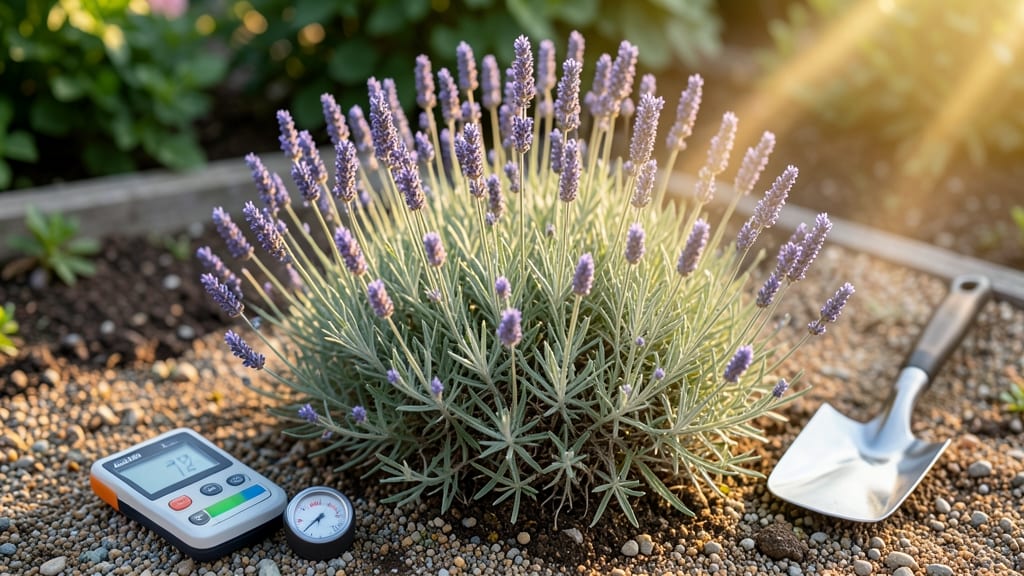
Lavender thrives when its roots breathe—the lavender soil requirements are non-negotiable: well-drained, slightly acidic soil is essential, or you’ll end up with sad, waterlogged plants that never bloom. 🌿 I learned this the hard way when my first lavender patch turned into a swampy mess after just one heavy rain.
The key isn’t just good drainage; it’s creating a soil mix that mimics the rocky, mineral-rich ground lavender grows wild in the Mediterranean.
Start with 50% coarse sand or perlite to break up clay and prevent compaction, then mix in 30% garden soil (or potting mix for containers) and 20% compost or aged manure for nutrients. The goal is a gritty texture that lets water drain within 10-15 minutes—never leave puddles.
For extra insurance, add a handful of pumice or crushed gravel to the bottom of pots or trenches. Lavender hates soggy feet, and this mix keeps roots happy even in rainy climates.
You’ll know you’ve nailed it when your plants develop that silvery-green foliage and send up sturdy stems by early summer. The scent alone—bright, floral, and impossibly fresh—is worth the effort. Just avoid rich, heavy soil (like garden loam alone), which suffocates roots and invites fungal diseases.
Think "light and airy," not "fertile and moist." For colder regions, add a 1-inch layer of gravel around the base to insulate roots in winter, while hot climates benefit from a shade cloth during peak afternoon sun.
The same principles apply whether you’re planting in-ground or in containers—just scale the mix to your space. Once established, lavender’s drought tolerance makes maintenance a breeze.
📚 In This Guide
- What you need
- Instructions
- Tips and common mistakes
- Wrapping up and next steps
What you need
- ● Potting soil or garden soil: 50% well-draining, sandy or loamy soil (avoid clay-heavy mixes). 5 gallons per plant.
- ● Perlite or coarse sand: 25% by volume to improve drainage. 2 cups per 5-gallon mix.
- ● Pine bark fines or composted bark: 25% by volume for aeration. 2 cups per 5-gallon mix.
- ○ Gravel or pumice: Optional but helpful for extra drainage (add 1 cup per 5-gallon mix if needed).
- ● Garden trowel or shovel: For mixing soil amendments.
- ● Gloves and kneeling pad: To protect your hands and knees during prep.
- ● pH testing kit: To confirm soil acidity (ideal range: 6.0–7.5).
- ● Lavender plants: Choose English, French, or Spanish varieties based on your climate.
- ● Slow-release fertilizer (low nitrogen): 1 tsp per plant (e.g., 5-10-10 blend).
- ● Mulch (gravel or pebbles): To retain heat and deter weeds around mature plants.
- ● Drip irrigation system: For consistent moisture without overwatering.
- ● Pruning shears: For shaping and maintaining plant health.
Step-by-Step guide to creating the perfect lavender soil mix
Lavender thrives when you mimic its Mediterranean roots—here's how to build soil that prevents rot and encourages aromatic abundance.
🌱 Step 1: Choose the Right Base Materials
Start with 50% coarse sand or perlite to create that critical drainage lavender demands. I use builder's sand (not fine play sand) because its gritty texture prevents compaction. The remaining 50% should be a mix of 30% potting soil and 20% compost—never garden soil, which holds too much moisture.
Sift the potting soil first to remove any clumps. Lavender roots need oxygen as much as water, and dense soil suffocates them. If your compost has large chunks, screen it too—you want a uniform texture that lets excess water drain instantly rather than pool around roots.
💧 Step 2: Adjust pH to Slightly Acidic Levels
Test your mix with a soil pH meter before planting—lavender prefers 6.5-7.5 (slightly acidic to neutral). If your mix runs higher, amend with 1 tablespoon of sulfur per gallon of mix and mix thoroughly. I like to do this in batches so I can monitor the change.
Water the mix lightly and retest after 24 hours. The pH should stabilize by then. Too much sulfur can burn roots, so if you're unsure, start with half the recommended dose and test again. You'll know it's right when the soil smells earthy but not sour.
☀️ Step 3: Layer for Optimal Drainage
In containers, create a 2-inch deep drainage layer at the bottom using gravel or broken pottery shards. This prevents water from sitting against the roots during heavy watering. Fill the remaining space with your prepared soil mix, leaving 1 inch of space at the top for watering.
For in-ground plantings, mound the amended soil into a 12-inch wide, 18-inch deep hole and mix in 1 part sand to 3 parts native soil at the bottom. This creates a naturally draining "pocket" where lavender roots can spread without encountering compacted subsoil.
✂️ Step 4: Condition the Soil Before Planting
Water the prepared soil thoroughly until it drains from the bottom of containers or runs clear from the planting hole. Let it sit for 3-5 days to allow any remaining salts from amendments to leach out. This prevents root burn when you transplant.
Run your finger through the mix—it should feel gritty yet crumble easily between your fingers. If it sticks together, add more sand or perlite. The ideal texture holds moisture briefly but releases it instantly, keeping lavender roots happy without encouraging rot.
🪴 Step 5: Maintain Soil Health After Planting
After transplanting, water deeply but only when the top 2 inches of soil feel completely dry. Lavender stores water in its woody stems and doesn't need frequent watering. Over time, the organic matter in your mix will break down—refresh the soil surface annually with 1 inch of fresh sand or perlite to maintain drainage.
In late winter, top-dress with ½ inch of compost to replenish nutrients without altering the soil structure. You'll notice healthier foliage and more abundant blooms in the following season—a sign your soil is working perfectly for lavender's needs.
Tips & tricks for perfect lavender soil blends
Creating the ideal lavender soil mix isn't just about throwing dirt in a pot—it's about replicating the Mediterranean conditions lavender craves. Here's how to elevate your mix from good to thriving.
Drainage is Non-Negotiable: The 50% coarse sand or perlite ratio in Step 1 is your foundation for preventing root rot. I've seen lavender plants drown in mixes that looked "moisture-retentive" but actually suffocated roots. Test your drainage by filling a container with the mix, pouring water, and timing how long it takes to drain completely—aim for under 10 minutes. If it pools, add more sand.
pH Testing Precision: That 24-hour wait after adding sulfur in Step 2 isn't arbitrary—it's when the pH stabilizes. I learned this the hard way by testing too soon and getting false readings. Use a digital pH meter for accuracy, and remember lavender's sweet spot is 6.5-7.5. If your mix smells like rotten eggs after adding sulfur, you've overdone it—rinse the mix with clean water and start over.
Layering Like a Pro: The 2-inch drainage layer in Step 3 isn't just about rocks—it's about creating an air gap. I recommend using unglazed pottery shards because they're porous and actually improve drainage over time. For in-ground plantings, that 12-inch wide hole specification creates enough space for roots to establish without hitting compacted subsoil below.
Texture Test: The finger test in Step 4 is your quality control. When you run your fingers through the mix, it should feel like dry sandpaper—not like wet cement. If it sticks together, you're still too heavy on organic matter. The perfect lavender mix should crumble between your fingers but not dissolve—this balance is what keeps roots oxygenated while holding just enough moisture.
Pro Tips for Lavender Soil Requirements
- Creating the ideal lavender soil mix isn't just about throwing dirt in a pot—it's about replicating the Mediterranean conditions lavender craves.
- Drainage is Non-Negotiable: The 50% coarse sand or perlite ratio in Step 1 is your foundation for preventing root rot.
- pH Testing Precision: That 24-hour wait after adding sulfur in Step 2 isn't arbitrary—it's when the pH stabilizes.
Frequently asked questions
Got questions about growing lavender?
You’re not alone! Here are some of the most common concerns—and their answers—to help you nail the perfect lavender soil mix.
What’s the ideal pH for lavender soil?
Lavender thrives in neutral to slightly alkaline soil (pH 6.5–7.5). Avoid acidic soil (pH below 6.0), as it can stunt growth or cause yellowing leaves. Test your soil with a pH kit or meter to adjust with lime if needed.
How often should I water lavender in well-drained soil?
Water lavender only when the top 1–2 inches of soil are dry—typically every 1–2 weeks, depending on climate. Overwatering is the #1 killer! Mulch lightly with gravel to improve drainage and reduce moisture retention.
Can I grow lavender in regular garden soil?
Not ideal! Lavender needs fast-draining, sandy, or gravelly soil. Amend garden soil with 50% coarse sand, perlite, or pumice to mimic its natural Mediterranean habitat. Raised beds or containers work best for heavy clay soils.
Why is my lavender turning yellow despite the right soil?
Yellow leaves often signal overwatering, poor drainage, or nutrient deficiencies. Check for soggy roots or compacted soil. Adjust watering, improve drainage, or fertilize lightly with a low-nitrogen plant food (like 5-10-5) in early spring.
What’s a quick DIY lavender soil mix?
Blend 60% coarse sand or perlite, 30% garden soil, and 10% compost or aged manure. Avoid peat moss—it retains too much moisture. For containers, use a 50/50 mix of sand and potting soil with a handful of gravel.
Wrapping up and next steps
Growing lavender is a rewarding experience when you meet its soil needs—well-drained, slightly acidic, and rich in organic matter. With the right mix, your plants will thrive, blooming beautifully and filling your garden with that signature fragrance. 🌿
Now that you’re equipped with the knowledge, roll up your sleeves and get planting! Start by testing your soil, then amend it as needed. Before you know it, you’ll have a lavender garden that’s the envy of the neighborhood. Happy gardening! 🌸