
Neem Oil
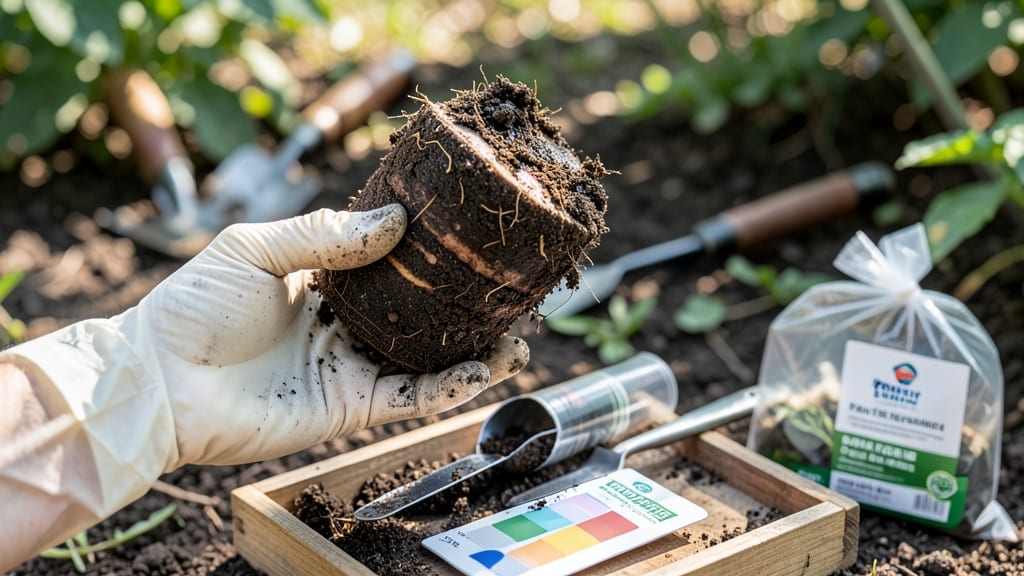
Penn State University soil testing analyzes your garden soil's pH, nutrient levels, and organic matter content by collecting samples from 0-6 inches deep and submitting them through their Extension office for professional analysis within weeks.
This Penn State soil analysis is your garden's health checkup, revealing exactly what nutrients are available and what's missing. 🌱 The Extension office provides tailored recommendations for organic or synthetic amendments based on your specific results, helping you avoid over-fertilizing while ensuring plants get what they need.
I've found that knowing my soil's phosphorus levels, for instance, lets me adjust compost applications precisely—no guesswork about whether my tomatoes will thrive or struggle.
What makes this service especially valuable is how it connects lab data to real-world gardening. The report won't just tell you your pH is 6.2; it'll suggest exactly how much lime to add to reach your target of 6.5, and when to apply it for maximum effectiveness.
For container gardeners or those with raised beds, this becomes even more critical since you can't rely on natural soil mixing.
💡 In This Article
- How to Collect and Prepare Soil Samples for Penn State Testing
- Interpreting Penn State Soil Test Results for Garden Success
How to collect and prepare soil samples for Penn State testing
Collecting soil samples correctly is the foundation of accurate Penn State soil testing. The key is sampling the top 6 inches of soil where most plant roots grow, using a clean, dry trowel or soil probe.
For lawns or large garden beds, take 10-12 subsamples across the area, mixing them in a clean bucket to create a composite sample. This composite approach averages out natural soil variations, giving you a true representation of your garden's overall health. 🔥
Clean tools are absolutely critical—residue from previous samples or contaminants like pet waste can skew results. Rinse your trowel with water between samples, and avoid collecting near fresh manure piles or areas where you've recently applied fertilizer.
The lab needs a pure sample that reflects your soil's natural state. Once collected, let the soil air-dry for 24-48 hours before packaging—moist samples can mold during shipping and create handling issues.
Proper packaging prevents contamination and ensures safe transport. Place your dried sample in a clean, airtight plastic bag (like a zip-top bag) and label it with your contact information, location, and date. Penn State recommends using their official soil test kit, which includes a prepaid shipping envelope and detailed instructions.
The lab uses this standardized process to maintain consistency across thousands of samples they analyze annually.
Timing matters too—submit your sample in early spring or fall when soil conditions are stable. Avoid testing right after heavy rain or when soil is frozen, as these conditions can temporarily alter nutrient availability.
For container gardens, collect soil from multiple pots and mix them thoroughly, since potting mixes often have different nutrient profiles than native soil. This step ensures your results reflect the growing conditions your plants actually experience. ✨
What most gardeners don't realize is that even the container you use for collection can affect results. Metal containers can introduce trace elements that interfere with testing, while plastic is preferred.
The Penn State lab specifically asks for samples in paper bags or plastic containers—never glass jars, which can break during shipping. This attention to detail might seem minor, but it's what makes the difference between a test that's useful and one that leaves you guessing.
For those with sloped gardens, collect samples from both the upper and lower slopes separately, as erosion can create dramatically different soil profiles. The lab will analyze each separately, giving you insights into how to address these variations.
This level of detail helps you create targeted solutions—like adding compost to erosion-prone areas while focusing on phosphorus amendments in the upper sections.