
Neem Oil
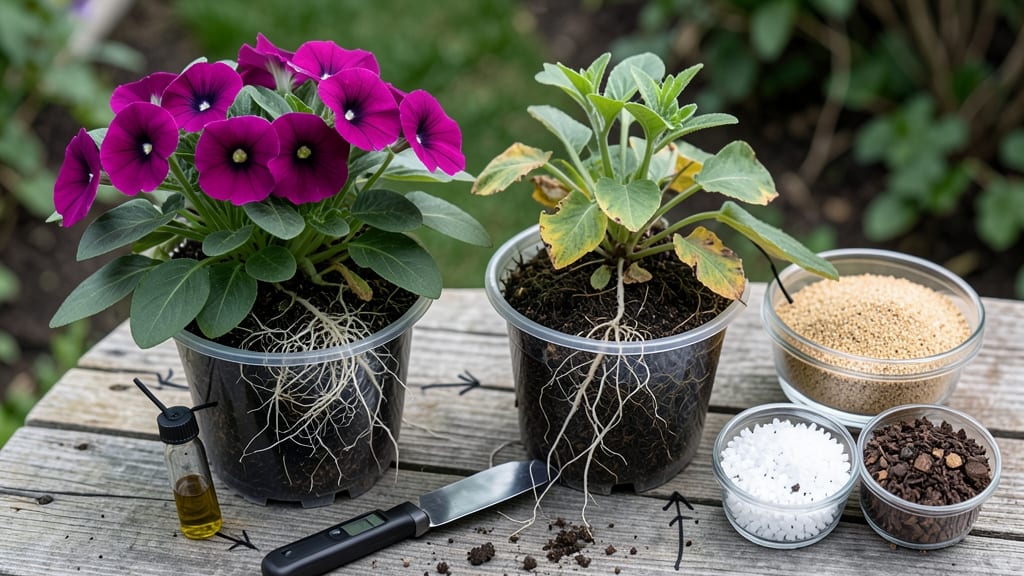
The right growing medium makes all the difference—potting mix and garden soil aren’t interchangeable. I’ve learned the hard way that shoving plants into regular dirt in containers leads to root rot, while some flowers refuse to thrive in sterile potting mix.
The choice affects drainage, nutrients, and even how roots spread, and picking wrong can mean the difference between a lush plant and a sad, struggling one.
Potting mix is engineered for containers: it’s lightweight, packed with organic matter, and designed to drain fast to prevent soggy roots. Think of it as a fluffy, airy sponge that holds moisture without suffocating roots.
Garden soil, on the other hand, is heavy, nutrient-rich, and packed with microbes—perfect for in-ground planting where roots can spread freely. The wrong mix in the wrong place? That’s how you end up with wilting herbs or stunted vegetables.
For containers, potting mix is non-negotiable—it’s the only way to avoid compacted roots and poor drainage. But for in-ground planting, garden soil gives roots the room and nutrients they need to thrive.
The trick is knowing when to use each: potting mix for pots, garden soil for beds, and a blend (like adding perlite to soil) for raised beds or heavy-clay areas. Your plants will thank you for the right home.
Pro tip: Check the label—good potting mix will say "for containers" and list ingredients like peat moss, coconut coir, or compost. Garden soil should mention compost or organic matter if you’re growing edibles.
And if you’re unsure, start with potting mix: it’s harder to mess up than soil, especially for beginners. Your first experiment might just save your next batch of plants.
The first product explained
Meet Miracle-Gro Indoor Potting Mix—your go-to companion for thriving houseplants and container gardens! 🌱✨ Designed specifically for potted plants, this premium blend stands out from regular garden soil by offering the perfect balance of nutrients, moisture retention, and aeration. Whether you're a seasoned plant parent or just starting your green journey, this mix is engineered to keep your plants happy and healthy year-round.
📏 Key Specs & Features
This lightweight, peat-based mix comes in a 12-quart bag (enough to fill 10-12 standard 6-inch pots) and is formulated with:
- Controlled-release fertilizer for steady nutrient delivery (no extra feeding for 3 months!)
- Moisture-control polymers to prevent overwatering or drought stress
- Perlite and vermiculite for optimal drainage and root aeration
- pH-balanced formula (5.5–6.5) ideal for most indoor plants
- No soil-borne diseases—sterilized for a clean growing environment
🎯 Who’s It For?
This potting mix is a versatile powerhouse for:
- 🌿 Houseplant enthusiasts (snake plants, pothos, ferns, and more)
- 🌷 Container gardeners (herbs, veggies like tomatoes/peppers, and flowers)
- 🏡 Small-space growers (balconies, windowsills, and apartments)
- 🛒 Beginners & pros alike—no guesswork with built-in nutrients!
💰 Price & Value
Priced at $12.97 for a 12-quart bag (often on sale for ~$9–$10), this mix offers exceptional value. While it’s slightly more expensive than basic garden soil, the convenience, longevity, and plant performance make it a cost-effective investment—especially if you repot frequently or grow nutrient-hungry plants.
Pro Tip: 💡 Mix with orchid bark or coco coir for tropical plants needing extra aeration!
The second product explained
Meet Miracle-Gro Indoor Potting Mix—the go-to choice for houseplant enthusiasts and urban gardeners! 🌿✨ This premium blend is designed to give your plants the perfect growing environment, whether you're nurturing leafy greens, blooming beauties, or even your favorite herbs. Let’s break down what makes it stand out.
📏 Key Specs & Features
This potting mix is lightweight, airy, and moisture-retentive, thanks to a blend of:
- Coco coir – A sustainable, peat-free alternative that holds moisture without compacting.
- Perlite & vermiculite – Boosts drainage and aeration to prevent root rot.
- Slow-release fertilizer – Feeds plants for up to 3 months, reducing the need for frequent top-ups.
- pH-balanced formula – Optimized for indoor plants, ensuring nutrients are easily absorbed.
🎯 Who’s It For?
This mix is a perfect fit for:
- 🏡 Houseplant lovers – Ideal for ferns, succulents, orchids, and flowering plants like African violets.
- 🌱 Urban gardeners – Great for windowsill herbs (basil, mint, parsley) and small vegetable starts.
- 🛒 Beginners & pros alike – No guesswork with pre-fertilized soil that’s ready to use.
$ Price Point & Value
Priced at $8.99 for a 8-quart bag (or around $12.99 for a 12-quart bag), this mix offers exceptional value for its convenience and performance.
While it’s slightly more expensive than generic soil, the slow-release nutrients and peat-free formula make it a cost-effective long-term solution. Pro tip: 💡 Buy the larger bag if you’re repotting multiple plants—it’s cheaper per quart!
Whether you're reviving a wilting fern or growing a thriving windowsill garden, Miracle-Gro Indoor Potting Mix delivers the nutrients, drainage, and moisture balance your plants crave. 🌱💚
Head-to-head comparison
Ready to dive into the nitty-gritty? Let’s break down the key differences between potting mixsoil in a side-by-side comparison that’ll help you pick the perfect growing medium for your plants!
Whether you’re a seasoned gardener or just starting out, understanding these distinctions can make all the difference in your green thumb journey. 🌱✨
📊 Performance: How They Support Plant Growth
When it comes to how well each medium supports your plants, the differences are as clear as day—or night! Here’s how they stack up:
| Factor | Potting Mix | Garden Soil |
|---|---|---|
| Drainage | ⭐⭐⭐⭐⭐ Excellent – Designed to prevent waterlogging with added perlite, vermiculite, or bark. | ⭐⭐ Moderate to Poor – Can compact over time, leading to poor drainage unless amended. |
| Nutrient Retention | ⭐⭐⭐⭐ Balanced – Often includes slow-release fertilizers or organic matter for steady feeding. | ⭐⭐⭐⭐⭐ High (if fertile) – Natural soil holds nutrients well but may lack consistency. |
| Root Aeration | ⭐⭐⭐⭐⭐ Superior – Lightweight and airy, promoting healthy root development. | ⭐⭐⭐ Variable – Can become dense, restricting root growth unless tilled or amended. |
| pH Balance | ⭐⭐⭐⭐ Neutral to Slightly Acidic – Often adjusted to suit container plants (e.g., 5.5–6.5 for most). | ⭐⭐ Varies Widely – Can be alkaline, acidic, or neutral depending on location and amendments. |
💡 Pro Tip: If you’re growing acid-loving plants like azaleas or blueberries, potting mix gives you precise control over pH—something garden soil often can’t guarantee without heavy amendments!
🛒 Price: What You’ll Pay for the Job
Your wallet will thank you for knowing the cost differences upfront! Here’s the breakdown:
- Potting Mix:
- 💰 Moderate to High – Typically ranges from $3 to $8 per cubic foot, depending on quality and additives.
- 💡 Why? – The blend of organic matter, fertilizers, and amendments drives up the cost, but it’s an investment in plant health.
- Garden Soil:
- 💰 Low to Free – Often $0.50 to $3 per cubic foot (or free if sourced from your yard!).
- ⚠️ Watch Out: – Cheap or unamended soil may lack nutrients or proper structure, requiring extra work (and money) to improve.
🌡️ Cost-Performance Ratio: Potting mix wins for convenience and consistency, while garden soil offers affordability and natural benefits—if you’re willing to put in the effort to prep it.
🏗️ Durability: Longevity and Maintenance
How long will your growing medium hold up? Let’s see who lasts longer—and who needs more TLC.
| Factor | Potting Mix | Garden Soil |
|---|---|---|
| Decomposition Rate | ⭐⭐⭐ Moderate – Organic matter breaks down over 1–2 years, requiring refreshers. | ⭐⭐⭐⭐ Slower (if healthy) – Natural soil decomposes gradually but may compact over time. |
| Maintenance Needed | ⭐⭐⭐⭐ Low – Just repot or top-dress with compost as needed. | ⭐⭐ High – Requires regular tilling, amending, and testing for nutrients/pH. |
| Reusability | ⭐⭐ Limited – Best to replace every few years to avoid nutrient depletion. | ⭐⭐⭐⭐⭐ High (with care) – Can be reused indefinitely with proper composting and amendments. |
✨ Sustainability Note: If you’re eco-conscious, garden soil (especially if locally sourced) is the greener choice—but only if you’re committed to maintaining it! Potting mix, while less sustainable long-term, is a great option for small-scale or high-maintenance plants.
🔧 Features: What’s Inside the Bag (or Ground)
Not all growing mediums are created equal! Here’s what you’re actually getting with each:
- Potting Mix:
- 🌿 Sterilized – Free of weeds, pathogens, and pests (unlike garden soil).
- 🧩 Customizable – Often comes in blends tailored for succulents, herbs, or vegetables.
- 💧 Moisture-Retentive Additives – Includes peat moss, coconut coir, or compost to hold water without sogginess.
- 🚫 No Clay or Rock Fragments – Smooth and uniform, ideal for delicate roots.
- Garden Soil:
- 🌍 Natural Composition – Contains minerals, microbes, and organic matter from the earth.
- 🔄 Dynamic and Alive – Teeming with beneficial fungi and bacteria that boost plant immunity.
- 💀 Potential Contaminants – May harbor weeds, larvae, or chemicals (unless tested or amended).
- 🏗️ Structure Varies – Can be sandy, loamy, or clay-heavy, affecting drainage and aeration.
🎯 Best For:
- Potting mix shines for container gardening, seed starting, and finicky plants (like orchids or carnivorous plants).
Which one should you choose?
So, which should you choose—potting mix or regular soil? The answer depends on your gardening goals, plant types, and growing conditions. Let’s break it down to help you make the best decision for your green thumb! 🌱✨
🌿 Pick Potting Mix If...
- You’re growing in containers: Potting mix is lighter, drains better, and prevents root rot—perfect for pots, hanging baskets, or raised beds. 🏺
- Your plants need extra nutrients: It’s often enriched with compost, fertilizer, or perlite to support healthy growth in confined spaces.
- You’re a beginner or dealing with poor drainage: Potting mix is forgiving and reduces the risk of overwatering.
- You’re growing vegetables, herbs, or flowers in pots: Many potted plants (like tomatoes, peppers, or succulents) thrive with its airy texture.
🌍 Pick Regular Soil If...
- You’re planting in the ground: Native soil provides structure, microbes, and natural drainage for in-ground gardens. 🌳
- Your plants need deep roots: Trees, shrubs, and perennials benefit from the stability and nutrient richness of undisturbed soil.
- You’re on a budget or eco-conscious: Soil is free (or cheap) and sustainable—just amend it with compost if needed!
- You’re dealing with heavy clay or sandy soil: Mixing in organic matter can improve its texture without switching entirely to potting mix.
💡 Pro Tip for the Best of Both Worlds:
Why choose? Amend your soil! For in-ground plants, mix in compost or coconut coir to mimic potting mix benefits. For containers, top-dress with a layer of soil to add stability for top-heavy plants (like tall herbs or ornamentals). Balance is key! 🎯
📋 Quick Decision Guide:
Scenario Best Choice Potted herbs, veggies, or flowers Potting Mix (light + nutrient-rich) In-ground shrubs, trees, or perennials Regular Soil (structured + natural) Poor drainage or heavy clay Amend soil with compost/potting mix Seed starting or cuttings Potting Mix (sterile + moisture-retentive) Remember: Healthy plants = happy gardeners! Whether you’re a container warrior or a ground-planting pro, tailoring your soil to your plants’ needs will set you up for success. 🌟 Now grab your gloves and get growing!