
Neem Oil
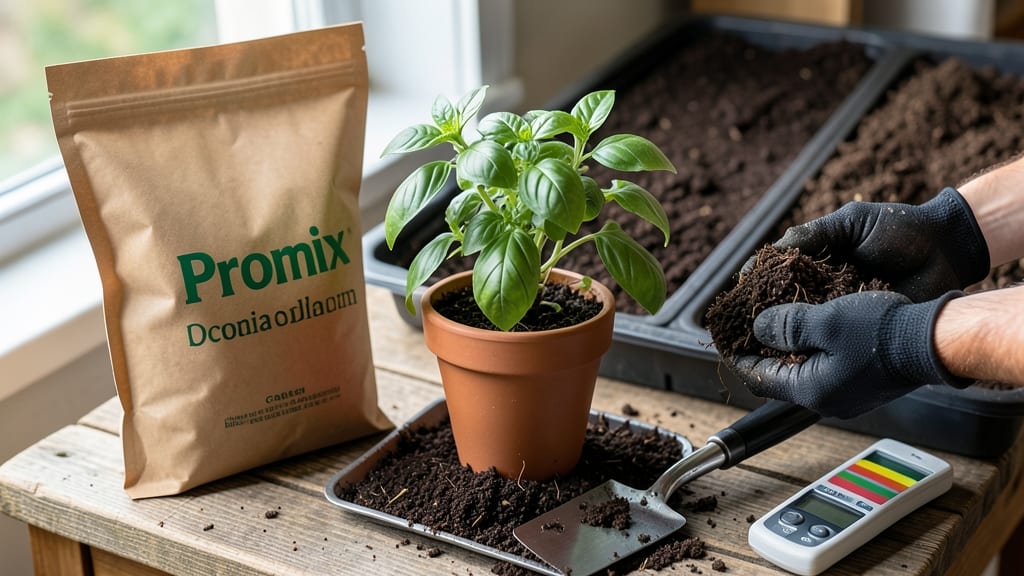
My blueberries and azaleas finally thrive in Promix soil mix—the acidic loam blend that makes all the difference for acid-loving plants. 🌿 For years, I struggled with stunted growth and yellowing leaves until I switched to this peat-based mix designed for plants that refuse to grow in regular garden soil.
The secret lies in its perfect balance of peat moss, perlite, and vermiculite, which mimics the acidic, well-draining conditions these plants crave in the wild.
The mix isn’t just for outdoor beds—it’s a game-changer for potted plants, too. I’ve used it in containers for blueberry bushes and azalea shrubs, and the results are shockingly lush growth compared to store-bought blends like Miracle-Gro.
The texture stays loose enough for roots to breathe while holding moisture just enough to prevent drought stress. Plus, it’s pre-fertilized with slow-release nutrients, so you won’t need to fuss with extra amendments right away.
What you’ll end up with is plants that burst with vibrant foliage and bountiful blooms, all while resisting common soil-borne diseases. The mix’s acidity stays stable over time, so you won’t have to constantly adjust pH levels.
For best results, mix it 50/50 with your existing garden soil if planting outdoors, or use it straight from the bag for containers.
It’s not just for blueberries and azaleas—camellias, rhododendrons, and even some vegetables like potatoes benefit from its structure. The only downside? It’s heavier than coco coir blends, so lifting bags can be a workout.
But once you see your acid-loving plants thriving, you’ll never go back to generic potting mixes again.
📚 In This Guide
- What you need
- Instructions
- Tips and common mistakes
- Wrapping up and next steps
What you need
- ● Promix BX or Promix PGX Soil Mix: 1 part (by volume) – Base mix for structure and moisture retention
- ● Peat Moss (or Coco Coir for sustainability): 1 part – Adds acidity and improves aeration
- ● Perlite or Pumice: ½ part – Enhances drainage and prevents compaction
- ● Sulfur (powdered or pellets): 1 tbsp per 5 gallons of mix – Lowers pH to 4.5–5.5 (ideal for blueberries/azaleas)
- ○ Lime Alternative (Optional for pH Adjustment): Elemental sulfur or pine bark fines (if pH runs too low)
- ● Tools: Garden gloves 🧤
- ● Large mixing container (wheelbarrow or bucket)
- ● Garden trowel or shovel
- ● pH testing kit (digital or liquid)
- ● Composted Pine Needles: ½ part – Natural acidifier and mulch
- ● Worm Castings: ¼ part – Adds microbes and nutrients
- ● Slow-Release Fertilizer (e.g., Osmocote): 1 tsp per gallon – Feeds plants gradually
- ● Mycorrhizal Fungi: Sprinkle at planting – Enhances root absorption
How to use Promix soil mix for acid-loving plants
This blend creates the ideal acidic environment for blueberries and azaleas to thrive.
🌱 Step 1: Prepare Your Planting Area
Start by clearing the area of weeds and rocks, then loosen the soil to a depth of 12 inches using a garden fork. Acid-loving plants despise compacted soil, which restricts root growth and water penetration. I like to add a 2-inch layer of pine bark fines first—this helps improve drainage while maintaining acidity naturally.
For container plantings, choose pots with drainage holes and fill them one-third full with the Promix blend. The mix's peat-based formula holds moisture without becoming waterlogged, which is critical for preventing root rot in these sensitive plants. If working in-ground, spread a 1-inch layer of sulfur over the prepared area and water it in thoroughly to lower the pH further.
🪴 Step 2: Mix and Amend the Promix Soil
For in-ground plantings, blend 50% Promix with 50% native soil to maintain the mix's structure while incorporating local nutrients. Use a shovel to turn the soil until it reaches a uniform dark brown color—this indicates even distribution. I always add 1 cup of cottonseed meal per 5 gallons of mix to provide slow-release nitrogen without raising the pH.
For container plantings, fill the remaining two-thirds of the pot with Promix. The mix's 5.0-6.0 pH range is perfect for blueberries and azaleas, but I like to verify with a soil test kit before planting. If the mix feels too dense when moistened, add 1 part perlite to 3 parts Promix to improve aeration—this prevents that suffocating, anaerobic environment roots hate.
☀️ Step 3: Plant and Establish Your Acid-Lovers
Dig holes twice as wide as the root ball but only as deep—planting too deep can suffocate roots and lead to stem rot. Gently remove the plant from its container and tease apart any circling roots. Place it in the hole so the top of the root ball sits just below soil level—this prevents water from pooling around the stem.
Backfill with the amended Promix, pressing lightly to eliminate air pockets. Water deeply until moisture reaches 6 inches down, then add a 2-inch layer of mulch (pine needles or wood chips) to conserve moisture and maintain acidity. Azaleas and blueberries need consistent moisture, but never let them sit in soggy soil—they'll tell you by developing yellow leaves or stunted growth.
💧 Step 4: Maintain Ideal Growing Conditions
Water twice weekly during the first growing season, checking that the top 2 inches of soil stay moist but not saturated. Promix's peat content holds moisture well, but these plants still need consistent hydration. I use a rain gauge to track rainfall and adjust watering accordingly—overwatering is the fastest way to kill acid-loving plants.
Fertilize in early spring with an acid-loving plant fertilizer (like one with a 30-10-10 NPK ratio), following package instructions. These plants thrive on regular feeding but despise alkaline amendments. Test soil pH annually—if it creeps above 6.0, add elemental sulfur and re-test in 2-3 months. You'll know you've got it right when your blueberries turn deep blue and azaleas burst with vibrant blooms.
⏰ Step 5: Prune and Protect for Long-Term Health
Prune azaleas immediately after flowering by cutting back one-third of the oldest stems to encourage new growth. For blueberries, remove any dead or crossing branches in late winter, and thin out any stems older than 5 years. This keeps the plant vigorous and prevents disease from spreading through crowded branches.
Watch for signs of stress—yellowing leaves often mean iron deficiency (common in alkaline soil), while brown tips suggest underwatering. If you notice powdery mildew, treat immediately with neem oil—this fungal issue thrives in crowded, humid conditions. With the right care, your Promix-blended soil will keep these acid-lovers producing for decades.
Tips & tricks for perfect acidic loam blends
Between us, these small adjustments make all the difference for your acid-loving plants.
Soil Preparation: When loosening soil to that 12-inch depth in Step 1, work the pine bark fines into the top 4 inches—this creates a natural acidity gradient that mimics forest floors where blueberries thrive. Use a broadfork to avoid compacting the soil further, and consider adding a ½-inch layer of sphagnum peat moss if your climate is particularly dry. This extra moisture retention helps maintain consistent acidity during drought periods.
Mixing Strategy: For container plantings, I've found that pre-moistening the Promix blend before adding it to pots eliminates air pockets that can suffocate roots. The 1 part perlite to 3 parts Promix ratio in Step 2 is perfect, but if you're working with heavy clay soil, increase perlite to 1:2 ratio—this prevents that dreaded anaerobic environment. Always mix in a wheelbarrow or large bin for even distribution, and test the pH after amending with your test kit.
Planting Depth: The "just below soil level" guideline in Step 3 is critical—this prevents stem rot while allowing roots to access moisture. For blueberries, I like to add a ¼-inch layer of coarse sand at the bottom of planting holes to improve drainage in containers. After planting, gently press the amended soil around roots to eliminate air pockets, then water immediately to help roots establish contact with the soil.
Long-Term Maintenance: That 2-inch mulch layer in Step 4 works wonders for maintaining acidity, but I've learned to refresh it annually. Use fresh pine needles or oak leaves—they break down more slowly than pine bark and provide consistent acidification. For established plants, I apply a ½-inch layer of wood ash-free compost every spring to replenish organic matter without altering pH.
Pro Tips for Promix Soil Mix
- Between us, these small adjustments make all the difference for your acid-loving plants.
- Soil Preparation: When loosening soil to that 12-inch depth in Step 1, work the pine bark fines into the top 4 inches—this creates a natural acidity gradient that mimics forest floors where blueberries thrive.
- Mixing Strategy: For container plantings, I've found that pre-moistening the Promix blend before adding it to pots eliminates air pockets that can suffocate roots.
Frequently asked questions
What plants thrive best in Promix Soil Mix?
Promix Soil Mix is specifically formulated for acid-loving plants, making it ideal for blueberries, azaleas, rhododendrons, and gardenias. The acidic loam blend mimics their natural soil conditions, promoting healthier roots and vibrant blooms. Avoid using it for veggies or flowers that prefer neutral to alkaline soil.
How long does a bag of Promix Soil Mix last for one plant?
A standard 1.5-cubic-foot bag of Promix Soil Mix typically covers 1 gallon container or a 12-inch hole for transplanting. For larger pots (like 5-gallon containers), you’ll need 2-3 bags per plant. Always amend with peat moss or pine bark if planting in the ground for better drainage.
Can I reuse or repurpose leftover Promix Soil Mix?
Yes! Leftover Promix Soil Mix can be stored in a dry, shaded area for up to 6 months without losing its acidity. For long-term use, mix it with compost or perlite to refresh its structure. Avoid reusing it if it’s waterlogged or moldy—discard and replace instead.
Do I need to adjust pH after planting with Promix Soil Mix?
Generally, no! Promix Soil Mix is pre-balanced for acidic plants (pH 4.5–5.5). However, if your tap water is alkaline, rinse the mix before use to prevent pH spikes. Test soil pH annually with a soil test kit—if it drifts above 6.0, amend with sulfur or peat moss.
What should I do if my plants look unhealthy despite using Promix Soil Mix?
Yellowing leaves or stunted growth could signal overwatering, nutrient deficiency, or poor drainage. Check for:
- Root rot (soggy soil = reduce watering).
- Nutrient burn (flush soil with water if over-fertilized).
- Compaction (add perlite or pine bark for aeration).
Wrapping up and next steps
Choosing the right Promix soil mix—like the acidic loam blend—can transform your blueberry bushes and azaleas into thriving, vibrant plants. This nutrient-rich, well-draining mix sets the perfect foundation for acid-loving plants to flourish, ensuring strong roots, lush foliage, and bountiful blooms. 🌿
Ready to give your garden the boost it deserves? Start by testing your soil’s pH and then grab a bag of Promix soil mix to create the ideal growing conditions. Happy planting—your plants will thank you!