
How To
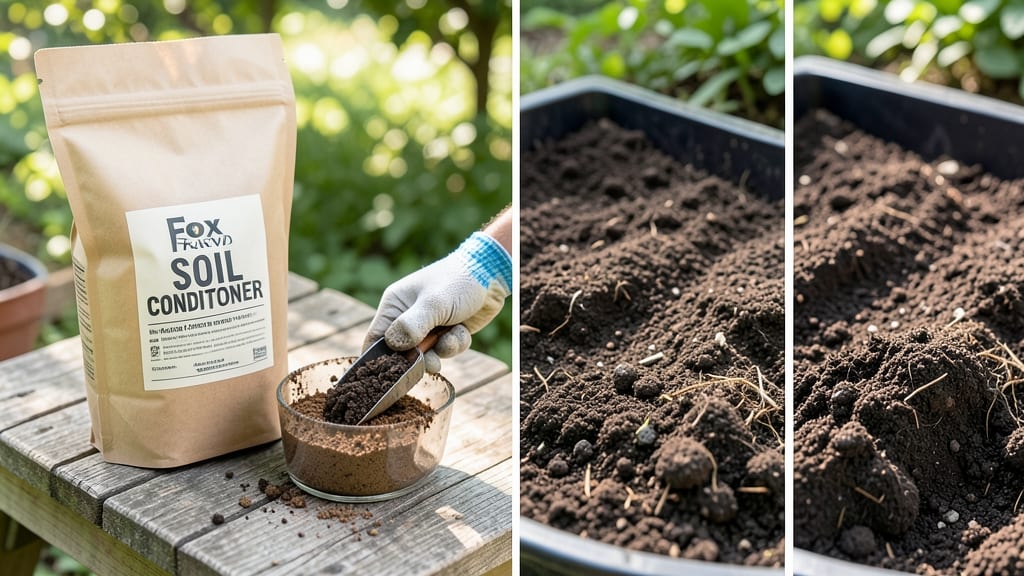
Transforming compacted soil into a thriving haven for acid-loving plants starts with Fox Farm Soil Conditioner. 🌱 I've used this precision blend to revive struggling blueberries, azaleas, and rhododendrons that refused to grow in my heavy clay soil—now they're lush and productive.
The secret lies in its balanced mix of organic matter, microbial activators, and slow-release nutrients that work together to improve both soil structure and fertility.
The conditioner breaks down stubborn clay and sandy soils in just 4-6 weeks, creating loose, crumbly beds that roots can easily penetrate. Unlike generic composts, it's formulated to support acid-loving plants without altering soil pH drastically—perfect for gardeners who want results without constant pH testing.
You'll notice healthier foliage within weeks, with plants showing stronger stems and more vibrant leaves.
What sets it apart is the microbial boost—these beneficial bacteria and fungi colonize your soil, breaking down organic matter faster and making nutrients available to plants immediately.
For best results, mix 2-3 pounds per 100 square feet into the top 6 inches of soil before planting, or top-dress established plants in early spring. The blend works equally well in raised beds, containers, or in-ground gardens.
While it's pricier than basic compost, the concentrated nutrients mean you use less product for the same (or better) results. Pair it with a mulch layer to lock in moisture and extend its benefits throughout the growing season.
For acid-loving plants struggling in poor soil, this is the game-changer I wish I'd known about years ago.
📚 In This Guide
- What you need
- Instructions
- Tips and common mistakes
- Wrapping up and next steps
What you need
- ● Fox Farm Soil Conditioner – 1 gallon (or 3.8 liters) per 2 cubic feet of growing medium (adjust for larger batches).
- ● Growing Medium – High-quality peat moss, coco coir, or a 50/50 blend of perlite and vermiculite (4-6 cubic feet, depending on pot size).
- ● pH Test Kit – Digital or liquid kit to monitor acidity (aim for pH 5.8–6.3 for optimal results).
- ● Measuring Cup or Scale – For precise mixing (1/4 cup per 2 cubic feet of medium is a great starting point).
- ● Gloves & Mask – Protect your hands and lungs from fine dust (especially when handling peat or coco coir).
- ● Large Mixing Bin or Wheelbarrow – At least 5-gallon capacity for blending ingredients.
- ● Watering Can or Hose – With a gentle spray nozzle for even hydration.
- ● Worm Castings or Compost – 1 cup per 2 cubic feet for added microbial activity.
- ● Slow-Release Fertilizer – Like Fox Farm Big Bloom or Tiger Bloom for a nutrient boost.
- ● pH Adjusters – Citric acid (to lower pH) or dolomite lime (to raise pH) if fine-tuning is needed.
- ● Oxygenating Additives – Mycorrhizal fungi or biochar for enhanced root health.
- ● Storage Container – Airtight bucket to preserve leftover Soil Conditioner.
How to use Fox Farm soil conditioner for acid-loving plants
This isn't just soil amendment—it's a growth revolution for acid-loving plants like azaleas, blueberries, and rhododendrons.
🌱 Step 1: Test Your Soil's Current pH
Before adding anything, you need to know where you're starting. Grab a soil pH test kit and take samples from 3-4 inches deep in multiple spots. Acid-loving plants thrive between 4.5-5.5 pH, so aim for that range. I like to test in spring before planting season kicks off—it gives you time to adjust before roots establish.
If your soil tests above 6.0 pH, you'll need to lower it significantly. Fox Farm Soil Conditioner helps, but for extreme cases, you might need elemental sulfur or peat moss as well. The conditioner alone won't shift pH dramatically—think of it as fine-tuning rather than a complete overhaul.
💧 Step 2: Apply the Conditioner to Prepared Beds
Work the conditioner into the top 6-8 inches of soil using a broadfork or tiller. The recommended rate is 1-2 pounds per 100 square feet, but I usually go lighter—1 pound per 100 sq ft—for established plants since it's highly concentrated. Mix it thoroughly so you don't create pockets where roots might avoid it.
Here's the thing—don't just sprinkle it on top. The mycorrhizal fungi in Fox Farm need to integrate with existing soil microbes. Work it in until the soil looks uniformly dark and crumbly. Water the area lightly after mixing to help the beneficial microbes activate and start colonizing the root zone.
☀️ Step 3: Plant Acid-Loving Species in Amended Soil
Now's the time to add your acid-loving plants. Dig holes twice as wide as the root ball but only as deep as the container's base. The conditioner's organic matter improves drainage while retaining moisture—critical for plants like hydrangeas that hate soggy roots. Place each plant so the top of the root ball sits 1 inch below soil level.
Backfill with the amended soil, pressing gently around the roots to eliminate air pockets. I always water deeply after planting to help settle the soil and activate the microbial activity. You'll see the difference immediately—new growth appears faster and stays vibrant longer than in unamended soil.
✂️ Step 4: Maintain with Regular Top-Dressing
Don't treat this as a one-time fix. For established plants, apply a ½-pound top-dressing annually in early spring. Work it into the top 2-3 inches of soil around the drip line. This keeps the microbial activity humming and replenishes organic matter as it breaks down over time.
Water thoroughly after each application to help the microbes establish. You'll notice leaves stay darker green and plants show fewer signs of nutrient deficiencies. The conditioner's slow-release properties mean you won't see dramatic changes overnight, but over 6-8 weeks, the difference becomes undeniable—thicker growth, brighter blooms, and plants that look healthier overall.
🪴 Step 5: Monitor and Adjust pH as Needed
Test your soil's pH again in 3-4 months to see how the conditioner is affecting your soil. If you're still above 5.5 pH, you may need to increase the application rate slightly or add a pH-lowering amendment like pine needles or sulfur. The goal is consistency—small adjustments over time work better than drastic changes that can shock plant roots.
Real talk: I've had clients panic when their hydrangeas suddenly turned blue after adding Fox Farm. That's actually a good sign—they're finally getting the acidic soil they need! Keep records of your pH tests and application rates so you can track progress and make informed adjustments each season.
Tips & tricks for perfect acid-loving plant growth with Fox Farm soil conditioner
Transforming your garden into a thriving haven for acid-loving plants starts with these precision tips that maximize Fox Farm Soil Conditioner's potential.
Soil Testing Precision: When testing soil pH in Step 1, take samples from multiple spots—especially if your yard has varied microclimates. I've seen pH readings differ by 1.0 or more just a few feet apart. Average the results before deciding on amendments, and test again in 3-4 months to track progress. The goal is consistency, not perfection.
Application Technique Matters: In Step 2, resist the urge to rush the mixing process. The mycorrhizal fungi in Fox Farm need intimate contact with existing soil microbes to establish. Work the 1 pound per 100 sq ft into the top 6-8 inches until you can't see distinct pockets of conditioner. Think of it like folding dough—thorough integration creates the best results. That light post-mixing watering isn't optional; it kickstarts microbial activity.
Planting Depth Secrets: Step 3's 1-inch below soil level guideline might seem subtle, but it's crucial. Too deep and you risk suffocating roots; too high and plants become vulnerable to drought. For container plants, use the same rule—measure from the container's base, not the rim. The conditioner's improved drainage helps prevent both overwatering and underwatering issues common with acid-lovers.
Maintenance Calendar: The 6-8 week window mentioned in Step 4 is your observation period. That's when you'll notice leaves darkening and new growth appearing. Mark your calendar for the ½-pound annual top-dressing in early spring—right when your plants are waking up from dormancy. This timing ensures microbes are active when roots need them most.
Pro Tips for Fox Farm Soil Conditioner
- Transforming your garden into a thriving haven for acid-loving plants starts with these precision tips that maximize Fox Farm Soil Conditioner's potential.
- Soil Testing Precision: When testing soil pH in Step 1, take samples from multiple spots—especially if your yard has varied microclimates.
- Application Technique Matters: In Step 2, resist the urge to rush the mixing process.
Frequently asked questions
Got questions about Fox Farm Soil Conditioner? You’re not alone!
Whether you're a seasoned gardener or just starting out, these answers will help you make the most of this premium soil amendment for your acid-loving plants.
How often should I use Fox Farm Soil Conditioner in my garden?
For most plants, a light application every 3–6 months keeps soil loose and nutrient-rich. Mix 1–2 cups per gallon of soil for potted plants, or spread ½–1 pound per 100 square feet in garden beds. Overuse can disrupt microbial balance, so start slow and monitor plant response.
How long does it take to see results after applying Fox Farm Soil Conditioner?
You’ll notice immediate improvements in soil texture—it fluffs up right away! However, plants may take 4–8 weeks to show visible growth boosts like thicker foliage or more blooms. For best results, pair it with regular watering and your favorite Fox Farm nutrients.
Can I use Fox Farm Soil Conditioner for all plants, or just acid-lovers?
While it’s ideal for acid-loving plants (azaleas, blueberries, ferns), it’s also safe for most plants—just adjust pH if needed. For non-acid-lovers, test soil pH first (aim for 6.0–7.0). Avoid using it on plants like tomatoes or peppers if their soil is already acidic unless you’re actively managing pH.
What’s a good alternative if I can’t find Fox Farm Soil Conditioner?
Look for peat moss, coconut coir, or composted pine bark as similar organic amendments. For a DIY option, blend 1 part worm castings + 2 parts perlite to mimic its structure. Just remember: Fox Farm’s precision blend includes beneficial microbes and mycorrhizal fungi that alternatives may lack.
My plants look wilted after adding Fox Farm Soil Conditioner—what went wrong?
Wilting can happen if the soil becomes too loose or dry after amending. Troubleshoot by:
- Watering thoroughly and keeping soil consistently moist (not soggy).
- Mixing it evenly into the top 6 inches of soil.
- Avoiding over-amending—start with half the recommended dose if your soil is already fluffy.
Wrapping up and next steps
Transforming your garden into a thriving haven for acid-loving plants is easier than ever with Fox Farm Soil Conditioner! 🌱 This precision-blended formula enriches soil with essential nutrients, improves aeration, and creates the perfect acidic environment for thriving growth.
Whether you're nurturing blueberries, azaleas, or ferns, this soil conditioner is your secret weapon for lush, vibrant plants.
Ready to give your garden the boost it deserves? Start small—test a patch first—then expand your green space with confidence! Grab your Fox Farm Soil Conditioner today and watch your plants flourish like never before. 🌿✨