
How To
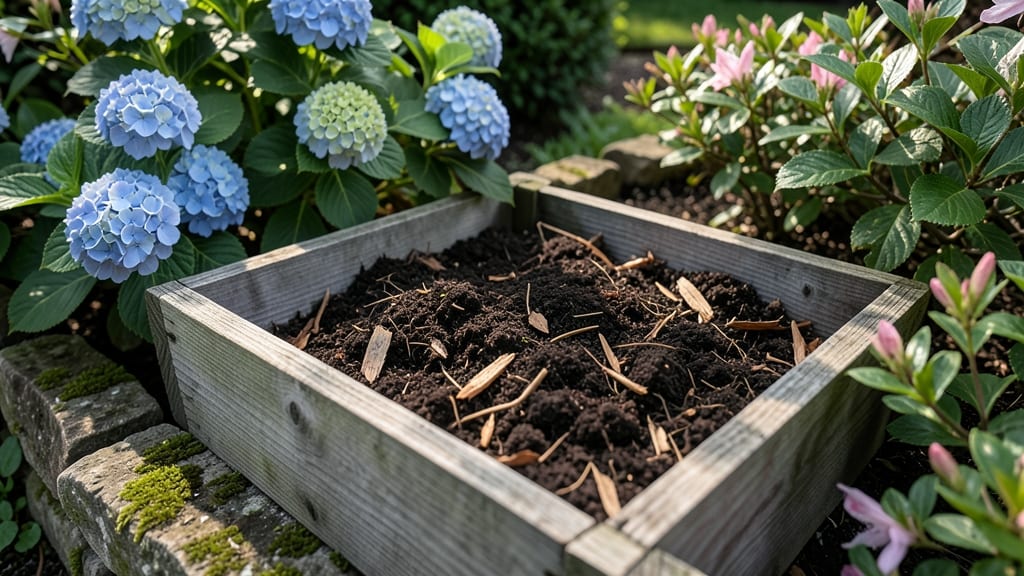
Struggling with acidic soil but want vibrant plants? These 10 natural soil amendments improve nutrient availability, enhance microbial life, and create ideal growing conditions—no pH testing required. Perfect for gardeners dealing with blueberries, azaleas, or pine trees.
Elemental Sulfur for Gradual pH Reduction
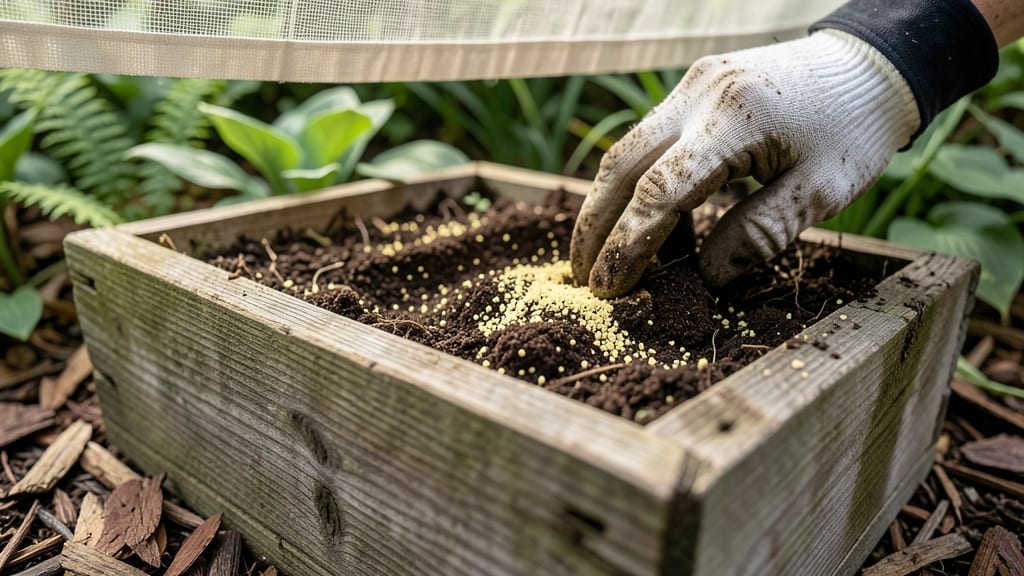
Tired of quick-fix soil amendments that spike pH levels too fast? Elemental sulfur offers a gentle, long-term solution for lowering soil acidity without drastic swings. Unlike fast-acting amendments, it releases acidity slowly as soil microbes break it down, making it perfect for large garden beds or projects where gradual changes are ideal.
To use, apply 1-2 pounds per 100 square feet of garden bed and work it into the top 6 inches of soil. For best results, mix it in during spring or fall when soil is moist but not waterlogged. This amendment is especially valuable for gardeners with blueberries, azaleas, or camellias, which thrive in consistently acidic conditions. Just avoid overapplying—too much can harm beneficial soil microbes.
Perfect for gardeners who want steady, predictable results without the risk of over-acidifying their soil. It’s a go-to for long-term soil health. 🌱
Pine Needles as Natural Mulch
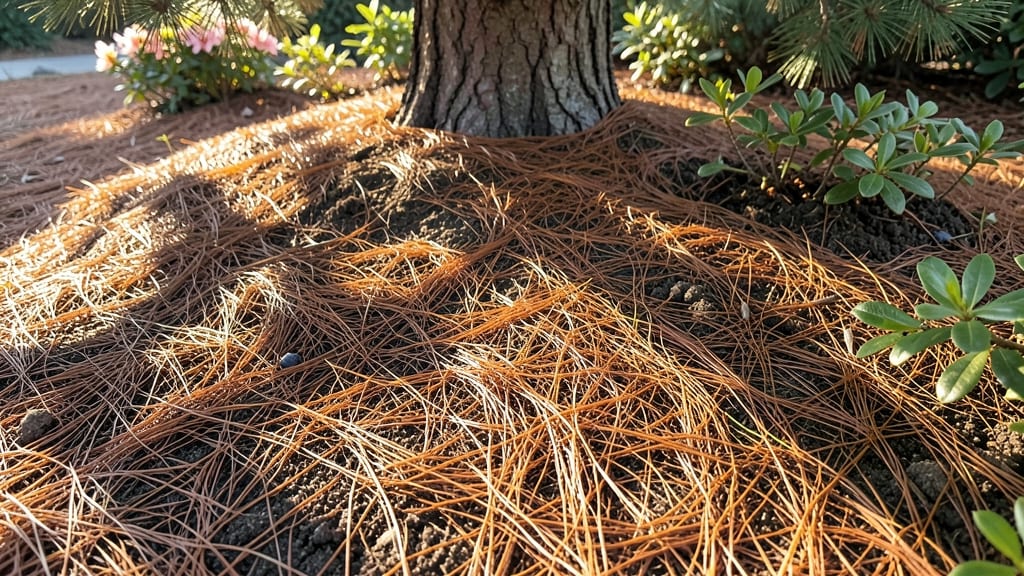
Need a free, zero-effort way to keep your acid-loving plants thriving? Look no further than your backyard—or the nearest pine tree. Pine needles make one of nature’s best mulches, breaking down slowly to maintain that perfect acidic environment while smothering weeds.
Spread a 4-6 inch layer of fresh or dried pine needles around rhododendrons, blueberries, or azaleas in early spring. The needles release organic acids as they decompose, gradually lowering pH without drastic swings. Plus, their sharp edges deter weeds while retaining moisture—ideal for drought-prone gardens. Just avoid overdoing it in containers, where decomposition can compact soil.
This is the ultimate lazy gardener’s solution—no shopping, no mixing, just gather and scatter. Perfect for beginners or anyone with pine trees on their property! 🌿
Cottonseed Meal for Nitrogen Boost
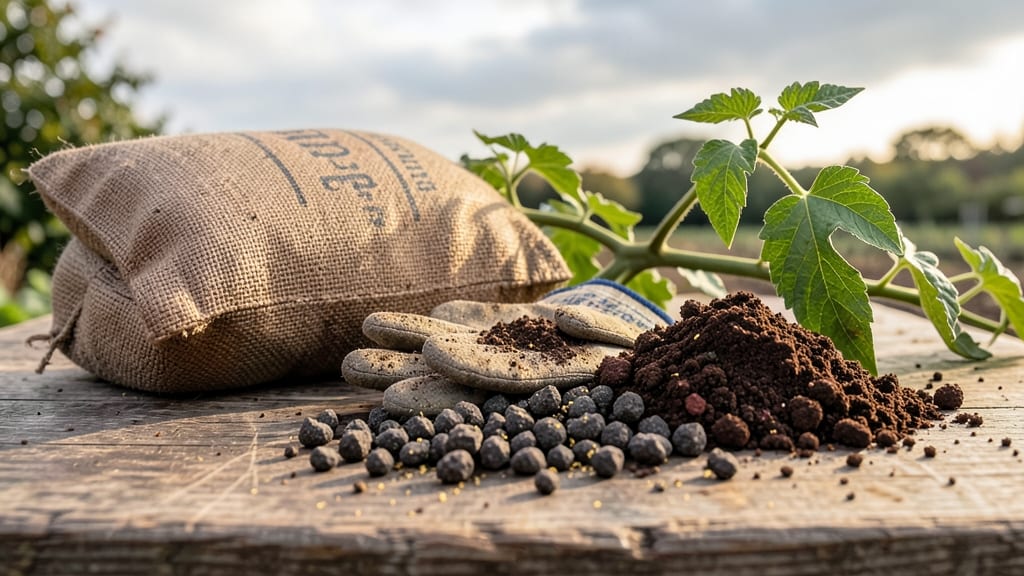
Need a nitrogen boost for your tomatoes or other heavy feeders without raising the pH? Cottonseed meal is your secret weapon—a high-nitrogen organic amendment that also gives your soil a slight acidity nudge while improving structure.
This byproduct of cotton processing delivers 6-7% nitrogen by weight, making it ideal for nitrogen-hungry plants like tomatoes, peppers, and leafy greens. Sprinkle 1-2 cups per 100 square feet into the soil before planting or top-dress established plants, then water thoroughly. For best results, apply in early spring when plants are actively growing, and repeat every 4-6 weeks during the growing season.
Gardeners with acidic soil or those growing in raised beds will love how cottonseed meal gently lowers pH while feeding plants—no harsh chemicals required. It’s especially great for container gardens where soil volume is limited. 🌱
Peat Moss for Water Retention
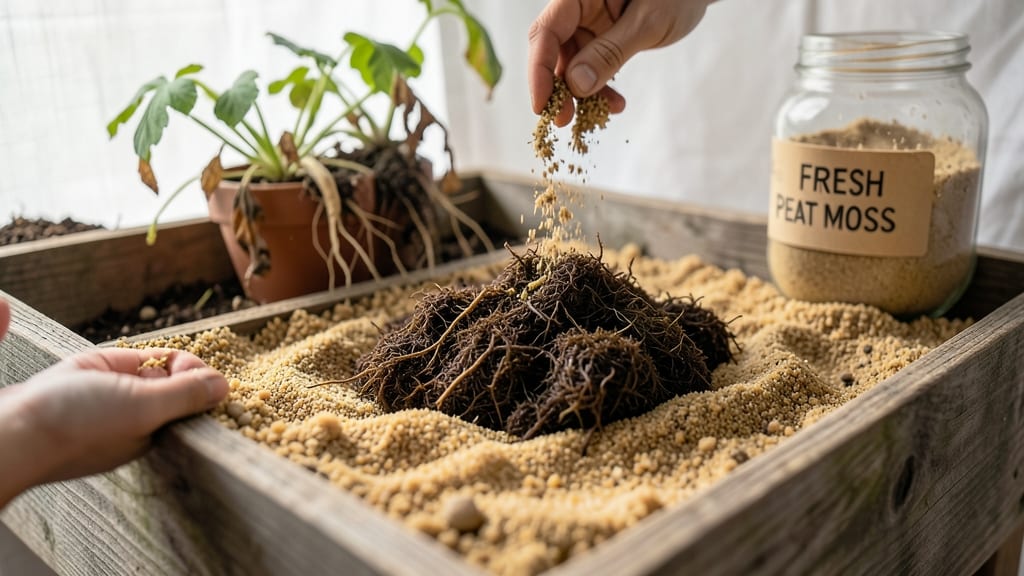
Struggling with sandy soil that drains water faster than your plants can drink? Peat moss is your secret weapon—this lightweight amendment holds moisture like a sponge while keeping soil naturally acidic, perfect for container gardens or fast-draining beds.
Made from decomposed sphagnum moss, peat moss improves water retention without compacting soil, making it ideal for acid-loving plants like azaleas, blueberries, or gardenias. Mix 25-30% into sandy soil or use it as a top-dressing in containers. Just avoid over-saturating—peat moss holds moisture but still needs occasional watering to prevent soggy roots.
Urban gardeners and container growers will love how peat moss keeps roots hydrated between waterings while maintaining the perfect acidic environment. It’s the ultimate multi-tasker for thirsty plants! 💚
Composted Leaf Mold
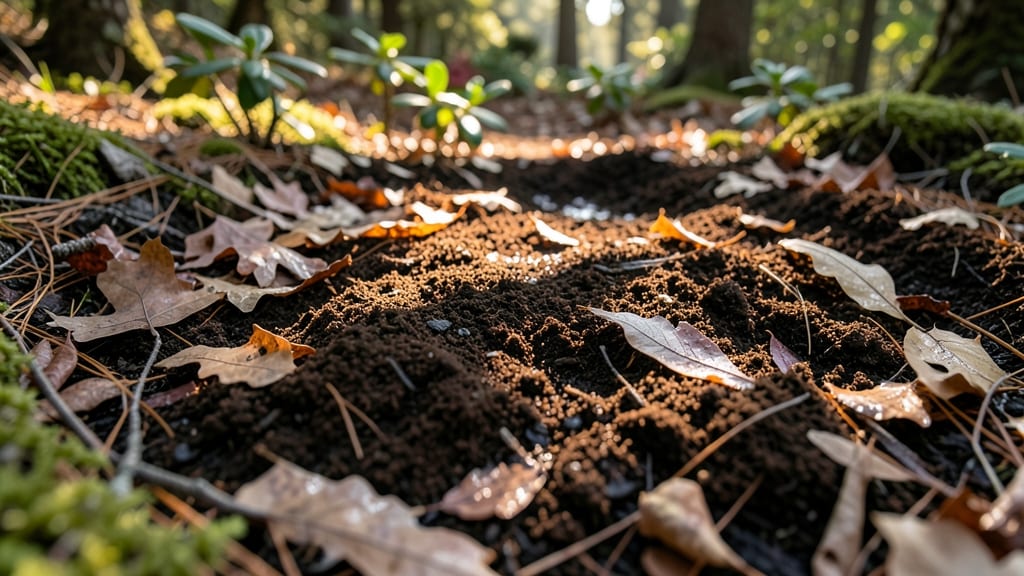
If your garden feels like a forest floor, you’re already on the right track—composted leaf mold is the secret weapon for replicating those ideal conditions. This slow-decomposing amendment creates a spongy, nutrient-rich layer that mimics nature’s own soil-building process, perfect for acid-loving perennials like hydrangeas, azaleas, and blueberries.
Made from decomposed leaves (often from oak, maple, or beech), leaf mold improves soil structure over years, gradually releasing organic matter without spiking nitrogen like fresh compost. Work it into beds in spring or fall—about 2-3 inches mixed into the top 6 inches of soil—or use it as a top-dressing for container plants. Its high moisture retention also helps drought-prone gardens thrive.
This is the ultimate low-maintenance amendment for gardeners who want long-term results without frequent reapplication. 🌿
Aluminum Sulfate for Quick pH Adjustment
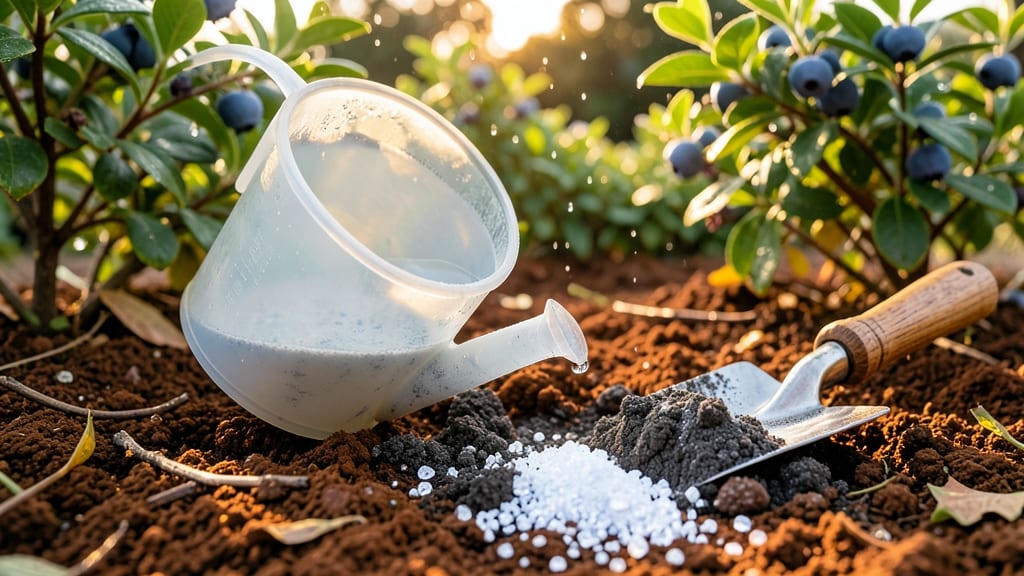
When your vegetable garden needs an immediate pH boost—and you can't wait for slow-release amendments—aluminum sulfate delivers results in days. This fast-acting amendment dissolves quickly in water, making it ideal for urgent corrections like prepping beds for acid-loving crops or troubleshooting nutrient deficiencies.
Apply 1/2 to 1 pound per 100 square feet for a noticeable drop in pH (typically 1-2 points within 2-4 weeks). Mix it into the top 6 inches of soil during planting or water it in as a solution. Use it sparingly—too much can harm plants or disrupt microbial balance. It’s especially useful for blueberries, potatoes, or azaleas where acidity is critical.
Perfect for gardeners who need fast results without long-term organic amendments, aluminum sulfate is a reliable tool for quick fixes. Just remember: measure carefully to avoid over-acidification! 💡
Composted Oak Leaves
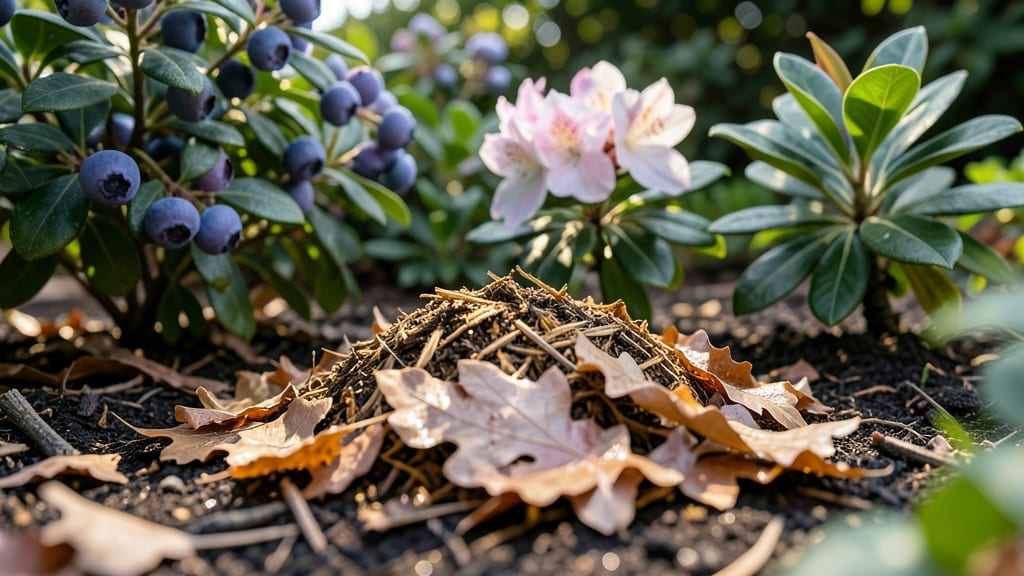
If you’re growing blueberries, azaleas, or other acid-loving fruit trees, composted oak leaves might be your secret weapon. Unlike other amendments, they don’t just lower pH—they release tannins that naturally acidify soil while adding potassium, a key nutrient for strong root development and fruit production.
Simply mix 2-3 inches of composted oak leaves into the top 6 inches of soil in early spring or fall. Avoid using fresh oak leaves, as they can rob nitrogen from the soil—composted versions break down gently without disrupting microbial life. This makes them perfect for container gardens or raised beds where precise pH control is critical.
Gardeners with sandy or fast-draining soils will love how oak leaf compost improves moisture retention while keeping the soil’s natural acidity. It’s also a great way to recycle yard waste sustainably. 🌿
Wood Ash for Balanced Acidic Gardens
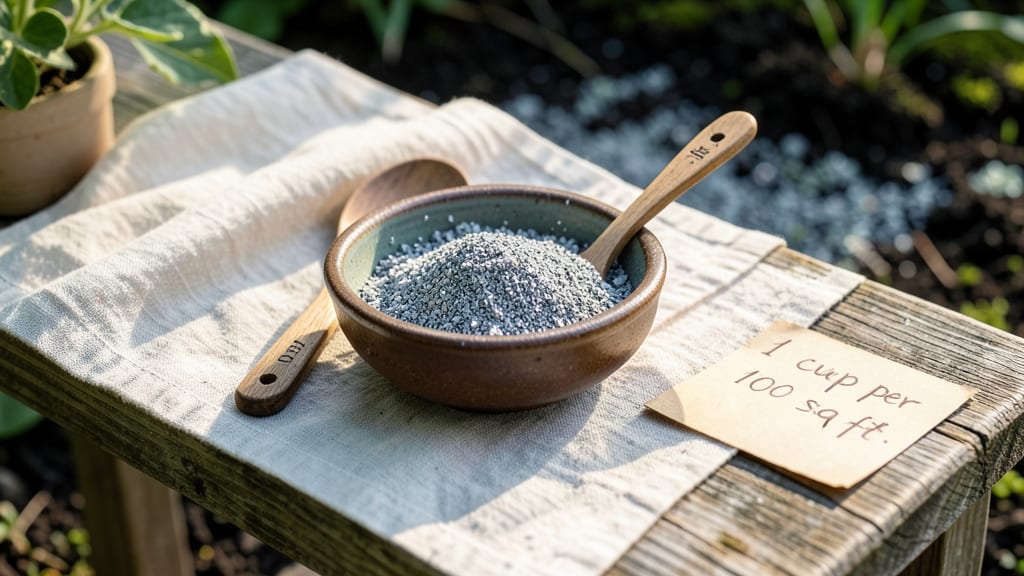
If your garden’s soil is just too acidic but you’re hesitant to overcorrect, wood ash is your subtle ally. Unlike harsh amendments, it gently raises pH while delivering a potassium boost—ideal for gardens where other amendments are already in place.
Use it sparingly (about 1 cup per 100 square feet) and work it into the top 6 inches of soil in early spring. Avoid overdoing it—too much can swing your soil into alkaline territory, harming acid-loving plants like blueberries. Perfect for vegetable gardens or mixed beds where a slight pH nudge is all you need.
This is the go-to for gardeners who want minor adjustments without drastic changes—think of it as a fine-tuning tool for balanced soil. 💡
Composted Pine Bark Fines
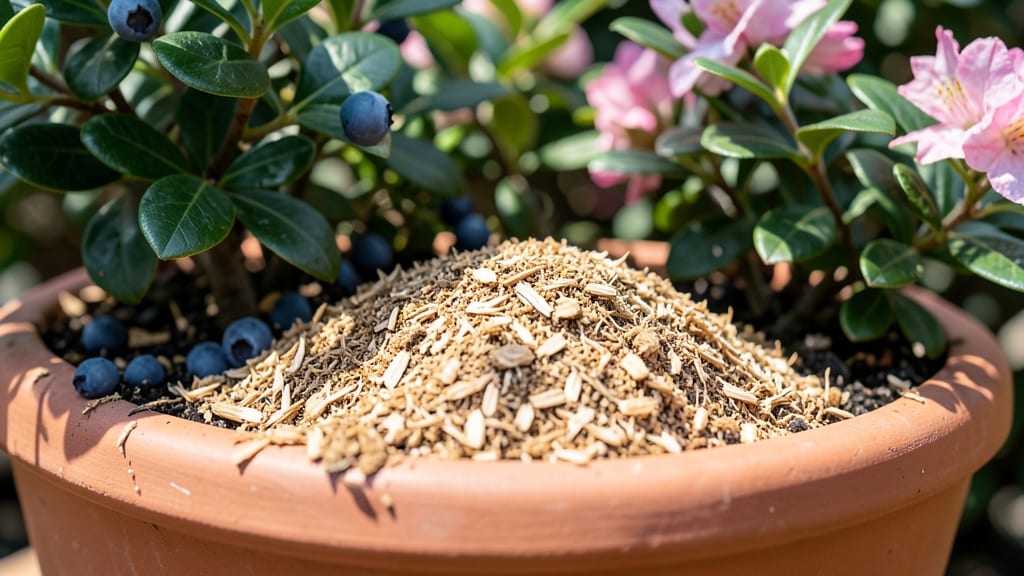
Struggling with container gardens that dry out too quickly? Composted pine bark fines are your secret weapon—this fine, crumbly amendment improves drainage while keeping soil naturally acidic, so your blueberries and azaleas thrive without soggy roots.
Made from decomposed pine bark, it breaks down slowly, adding organic matter that mimics forest-floor conditions. Mix 20-30% into potting soil or top-dress raised beds to prevent compaction and improve oxygen flow to roots. It’s especially great for urban gardeners with limited space, as it reduces watering frequency while keeping moisture levels stable.
Urban gardeners and container growers will love how it prevents root rot in crowded pots. Plus, it’s a sustainable choice that keeps soil fluffy and aerated for years. 🌱
Lime-Free Compost for Microbial Health

If your garden thrives on hydrangeas or other pH-sensitive plants, lime-free compost is your secret weapon. Unlike many store-bought composts, this amendment skips the lime additives that can accidentally raise soil pH—keeping your soil stable for plants that demand precise acidity levels.
Made from decomposed plant matter (like leaves, grass clippings, and vegetable scraps) without any alkaline additives, it feeds beneficial microbes while maintaining your soil’s natural acidity. Simply mix 2-3 inches into the top 6 inches of soil in spring, and repeat annually. This is especially valuable for container gardens where pH shifts happen faster.
Perfect for gardeners who want to avoid pH swings without constant testing, lime-free compost ensures vibrant blooms and healthy roots—no guesswork required. 🌿