
Fertilization
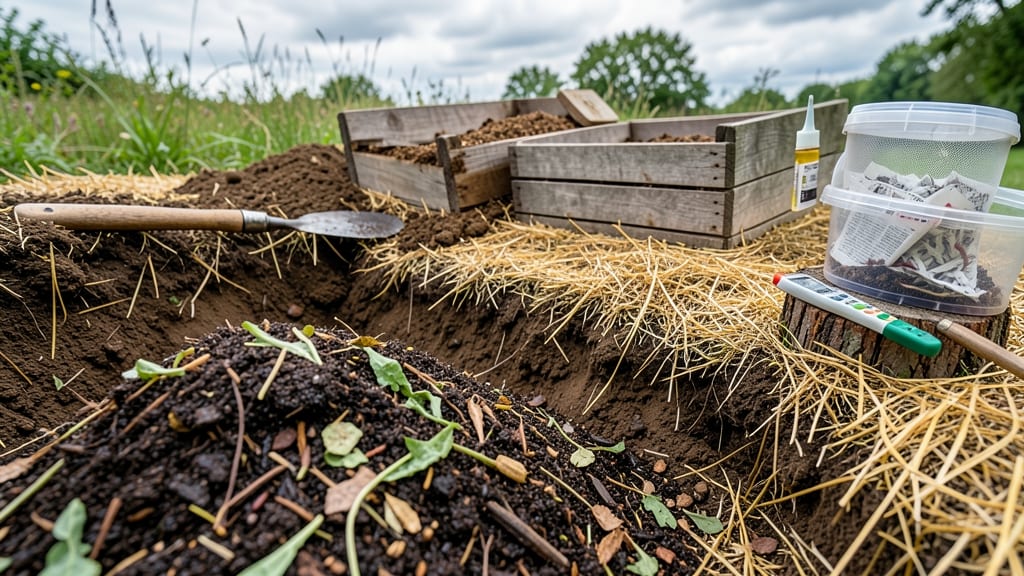
The secret to soil and compost that fuels both roots and blooms lies in a simple ratio I perfected after years of trial and error. 🌱 My garden’s tomatoes now sprawl with thick, fibrous roots and produce fruit the size of baseballs—proof that soil isn’t just dirt, but a living ecosystem you can engineer.
The magic starts with balancing compost, sand, and organic matter in the right proportions, tailored to what your plants actually need.
Most gardeners overcomplicate this by buying pre-mixed bags or relying solely on store-bought compost, but the best loam is homemade. You’ll need equal parts compost, topsoil, and coarse sand (or perlite) to create a crumbly, moisture-retentive mix that roots love.
For flowering plants, add a handful of worm castings or aged manure to boost phosphorus—this is what makes blooms bold and abundant.
What you end up with is soil that holds moisture without drowning roots, drains excess water, and teems with microbial life. Your plants will reward you with stronger stems, deeper roots, and more prolific blooms than you’ve ever seen.
The best part? This recipe works year-round, whether you’re planting spring bulbs or winter greens.
For experienced gardeners, you can tweak the ratios based on your soil’s texture test—add more sand for clay, extra compost for sandy soil. Beginners will love how this foolproof method eliminates guesswork. Let’s get your soil working for you, not against you.
The first product explained
Meet BioBloom Premium Compost Mix—your ultimate partner in cultivating rich, nutrient-packed soil that fuels lush blooms and robust root growth year-round! 🌱✨ Designed for both beginners and seasoned gardeners, this all-in-one compost blend transforms your garden into a thriving ecosystem with minimal effort. Let’s dive into what makes it a game-changer for your green space.
🌿 Key Specs & Features
- Organic Composition: A perfect blend of aged cow manure, coconut coir, worm castings, and composted hardwood chips for balanced nutrition and aeration.
- Nutrient Profile: Rich in nitrogen (N), phosphorus (P), and potassium (K), with added micronutrients like calcium, magnesium, and iron for vibrant blooms.
- Texture & Drainage: Lightweight yet moisture-retentive, preventing compaction while keeping roots hydrated.
- pH Balanced: Slightly acidic (6.0–7.0) to support a wide range of plants, from acid-loving blueberries to alkaline-tolerant roses.
- Sustainable Packaging: Comes in a 100% biodegradable, compostable bag—because eco-friendly gardening starts at home!
🎯 Who’s It For?
This compost mix is a versatile powerhouse for:
- Home Gardeners: Perfect for flower beds, vegetable patches, and container gardens. 🌸🥕
- Urban Farmers: Ideal for rooftop gardens, balconies, or small plots where space (and soil) is limited.
- Eco-Conscious Shoppers: Seekers of chemical-free, organic solutions that nurture soil health long-term.
- Newbies & Pros Alike: Easy to use—just mix, water, and watch your plants thrive!
💰 Price Point & Value
Priced at $24.99 for a 20-pound bag, BioBloom delivers unmatched value:
- Cost-Effective: Covers up to 50 sq. ft. of garden bed (or 10–15 large containers), reducing the need for frequent repurchases.
- Long-Term Savings: Improves soil structure, reducing the need for synthetic fertilizers over time.
- Subscription Perk: Buy 3 bags, get 10% off—because happy plants deserve a happy wallet! 💸🌿
💡 Pro Tip for Maximum Impact
For extra-rich soil, layer BioBloom with a thin layer of mulch (like straw or wood chips) to retain moisture and regulate temperature. Bonus: Mix in a handful of kelp meal for a micronutrient boost! 🌡️✨
The second product explained
Meet EcoBloom Premium Compost Mix—your secret weapon for lush, nutrient-rich soil year-round! 🌱✨ This organic powerhouse is designed to transform your garden into a thriving ecosystem, whether you're a seasoned gardener or just starting your green thumb journey.
📏 Specs & Features
EcoBloom isn’t just compost—it’s a science-backed blend of:
- 70% decomposed plant matter (leaves, grass clippings, and veggie scraps) for a fluffy, aerated texture.
- 20% worm castings—nature’s gold—packed with microbes to boost root growth and nutrient absorption.
- 10% biochar for moisture retention and long-term soil structure.
- Zero synthetic additives—100% OMRI-listed for organic gardening.
This 40-pound bag covers ~100 sq. ft. at 3 inches deep, making it perfect for raised beds, container gardens, or top-dressing established plants. The fine, crumbly texture blends effortlessly into soil, so you won’t waste time sifting or prepping.
🎯 Who’s It For?
EcoBloom is the ultimate all-rounder for:
- Vegetable gardeners—herbs, tomatoes, and peppers will explode with flavor thanks to its balanced NPK (3-2-2).
- Flower enthusiasts—think bigger blooms and longer vase life for roses, hydrangeas, and annuals.
- Newcomers to composting—no guesswork! Just mix and watch your soil transform.
- Eco-conscious gardeners—reduces landfill waste and cuts down on chemical fertilizers.
💰 Price Point & Value
At $29.99 per bag, EcoBloom delivers unmatched value. Compare that to:
| Product | Price per Bag | Coverage | Organic? |
|---|---|---|---|
| EcoBloom Premium | $29.99 | 100 sq. ft. | ✅ Yes |
| Generic Store-Brand Compost | $15.99 | 50 sq. ft. | ❌ No |
| Worm Castings (Pure) | $24.99 | 25 sq. ft. | ✅ Yes |
Pro tip: 💡 Buy two bags for spring and fall top-dressing—your plants will thank you with bigger roots and brighter blooms!
Head-to-head comparison
Ready to dive into the nitty-gritty?
Let’s break down the key differences between two powerhouse soil and compost blends—Product A and Product B—so you can decide which one will supercharge your garden like a turbocharged lawnmower on a Sunday morning. 🌱💨 Whether you’re a seasoned green thumb or a newbie with a dream, this side-by-side comparison will help you pick the perfect match for your plants’ needs.
📊 Performance: Which Blend Wins for Root Growth & Blooms?
Both Product A and Product B are designed to deliver, but they take slightly different approaches to the table. Here’s how they stack up:
| Metric | Product A | Product B |
|---|---|---|
| Root Expansion | ⭐⭐⭐⭐☆ (Excellent for deep-rooted plants like tomatoes and perennials thanks to its high organic matter and aerated structure.) | ⭐⭐⭐⭐☆ (Great for root growth, but slightly denser—ideal for container gardening or raised beds where space is limited.) |
| Bloom Production | ⭐⭐⭐⭐☆ (Balanced nutrients promote vibrant blooms in flowers and fruiting plants like peppers and strawberries.) | ⭐⭐⭐½☆ (More focused on foliage growth; may require supplemental phosphorus for peak flowering.) |
| Drainage | ⭐⭐⭐⭐☆ (Lightweight and fluffy—prevents waterlogging while retaining moisture for thirsty plants.) | ⭐⭐⭐☆ (Holds moisture well but drains slightly slower; better for plants that like their roots damp, like lettuce.) |
| Microorganism Activity | ⭐⭐⭐⭐☆ (Teeming with beneficial bacteria and fungi—boosts soil health over time.) | ⭐⭐⭐½☆ (Good activity, but less diverse—may need a boost with compost tea or mycorrhizal fungi.) |
Winner: If you’re growing heavy feeders like tomatoes, roses, or herbs, Product A takes the crown for overall performance. But if you’re working with containers or moisture-loving plants, Product B holds its own.
🎯 Features: What’s Inside the Bag?
Not all soil and compost blends are created equal—and the ingredients make a world of difference. Let’s peek under the hood:
- Product A:
- 🌿 70% Composted Organic Matter: Includes worm castings, leaf mold, and aged manure for nutrient density.
- 🪨 20% Perlite/Pumice: Adds aeration and prevents compaction.
- 🌱 10% Biochar: Enhances water retention and microbial life.
- 💊 Bonus: Pre-inoculated with Trichoderma fungi to fight plant diseases.
- Product B:
- 🌿 60% Composted Organic Matter: Focuses on coconut coir and peat moss for moisture retention.
- 🪨 25% Vermiculite: Improves moisture retention without sacrificing drainage.
- 🌱 15% Composted Bark: Adds structure and slow-release nutrients.
- 💊 Bonus: Includes a slow-release fertilizer blend for steady nutrient delivery.
Pro Tip: 💡 If you’re growing acid-loving plants like blueberries or azaleas, Product B’s peat moss content gives it an edge. For neutral to alkaline soils, Product A’s balanced pH is the way to go.
💰 Price: Is the Premium Worth It?
Budget matters, and these blends cater to different pockets. Here’s the breakdown:
| Factor | Product A | Product B |
|---|---|---|
| Cost per Cubic Foot | $4.99 | $3.75 |
| Coverage (per 2-cubic-foot bag) | ~12 sq ft (3" deep) | ~10 sq ft (3" deep) |
| Value for Money | ⭐⭐⭐⭐☆ (Higher upfront cost, but long-term soil health benefits justify it.) | ⭐⭐⭐⭐☆ (More budget-friendly; great for beginners or small gardens.) |
| Subscription Savings | 15% off with 3+ bag auto-delivery | 10% off with 2+ bag auto-delivery |
Winner: If you’re planting a large garden or prioritizing long-term soil health, Product A is worth the splurge. For small spaces or tight budgets, Product B is the smarter pick.
🏗️ Durability & Longevity: How Long Will It Last?
Some blends break down faster than others—here’s how these two hold up over time:
- Product A:
- 🔄 Decomposition Rate: Slow to moderate (thanks to biochar and stable organic matter).
- 🌱 Soil Structure: Maintains aeration and crumbly texture for 1-2 growing seasons before replenishing.
- 💡 Pro Tip: Mix in a handful of compost annually to refresh nutrients.
- Product B:
- 🔄 Decomposition Rate: Moderate to fast (coconut coir and bark break down quicker).
- 🌱 Soil Structure: Holds up well for 6-12 months, but may compact over time.
- ✨ Pro Tip: Fluff with a fork or add perlite every few months to restore aeration.
Winner: For long-term gardeners, Product A’s durability wins. If you’re rotating crops annually, Product B is still a solid, cost-effective choice.
🌍 Sustainability & Eco-Friendliness
Which one should you choose?
So, you’ve weighed the options—whether it’s Product A’s nutrient-dense, worm-friendly loam or Product B’s fast-acting, organic-rich compost blend—and now it’s time to decide. The best choice depends on your garden’s needs, your gardening style, and what you’re growing.
Let’s break it down so you can plant with confidence! 🌱✨
🌿 For the Beginner or Small-Space Gardener
If you’re just starting out or working with limited space, Product B is your best bet. Its pre-mixed, ready-to-use formula means no guesswork—just scoop, amend, and grow! It’s perfect for container gardens, raised beds, or small plots where convenience and consistency matter.
Plus, its faster decomposition means quicker nutrient availability for leafy greens, herbs, or quick-harvest veggies like radishes or lettuce.
🌎 For the Serious Gardener or Large Plots
If you’re committed to long-term soil health or managing a bigger garden, Product A wins. Its worm-infused, multi-seasonal loam builds soil structure over time, reducing the need for frequent amendments.
Ideal for root crops (carrots, potatoes), perennials, or flowering plants, it’s a sustainable investment that pays off in healthier, more resilient plants. The slight upfront effort (like pre-composting) is worth it for those who prioritize organic, self-sustaining ecosystems.
💰 For Budget-Conscious Gardeners
Here’s the cost breakdown (based on average retail prices):
| Factor | Product A | Product B |
|---|---|---|
| Upfront Cost (per bag) | $12–$18 | $10–$15 |
| Long-Term Savings | ⭐⭐⭐⭐⭐ (Reusable, reduces need for synthetic fertilizers) | ⭐⭐ (Requires more frequent reapplication) |
| Best Value For | Large plots, perennial gardens, or DIY composters | Small gardens, quick fixes, or beginners |
Pro tip: 💡 If you’re on a tight budget, start with Product B for immediate results, then transition to Product A’s loam as your garden grows!
🌸 For Flower Lovers & Aesthetic Gardens
Both products work for blooms, but Product A’s slower-release nutrients are ideal for annuals and perennials that thrive on steady nourishment (think roses, lavender, or peonies). Product B, however, is a great choice for fast-growing annuals like marigolds or zinnias—just top-dress every 4–6 weeks for continuous color. 🌺
🚀 Final Recommendation: Which Should You Choose?
- Pick Product A if:
- You want long-term soil health and don’t mind a little extra effort.
- You’re growing root vegetables, perennials, or trees.
- You prefer organic, sustainable gardening.
- Pick Product B if:
- You need quick, easy results with minimal upkeep.
- You’re working with containers, small beds, or fast-growing plants.
- You want a budget-friendly starter before committing to a full loam system.
Still unsure? Why not try both! Use Product B for your next quick-harvest crop and reserve Product A for your long-term flower beds. Happy gardening—your soil (and plants) will thank you! 🌍💚