
Pests
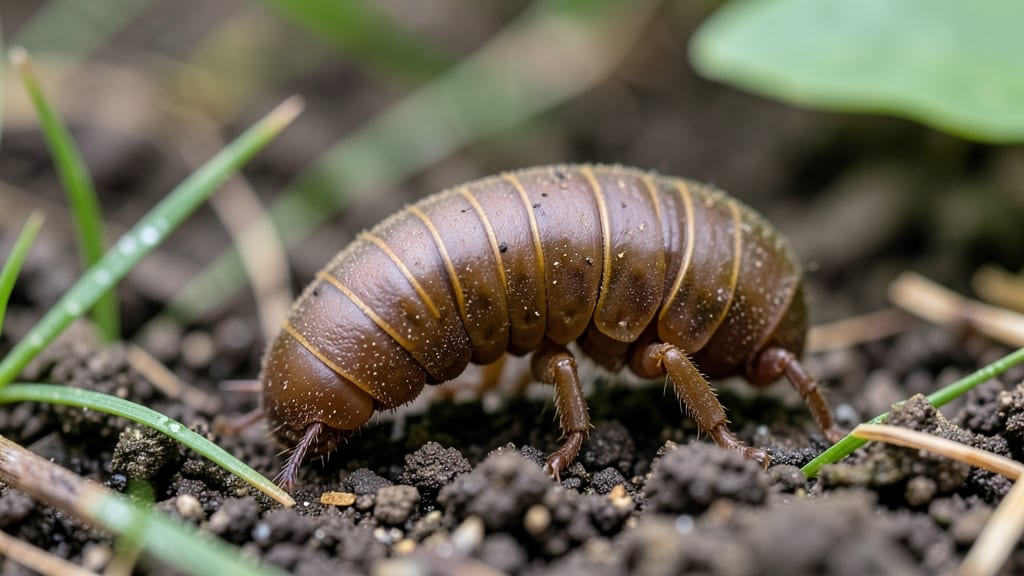
Those C-shaped grubs munching on your lawn roots are soil beetle larvae—and they’re far worse than most gardeners realize. 🌱 I’ve pulled up plants that looked healthy above ground only to find their roots shredded by these hidden pests, and the damage happens faster than you’d think.
The telltale signs are wilting plants that won’t recover, irregular brown patches in grass, or roots that look like Swiss cheese.
Most chemical treatments miss the larvae stage entirely, which is why I focus on targeted natural controls that actually work—like nematodes, milky spore, or even a simple diatomaceous earth barrier. You’ll learn how to spot them early, disrupt their life cycle, and protect your garden without harsh sprays.
The key is acting before they pupate into beetles, and I’ll show you exactly when and how to strike. This works for lawns, vegetable beds, and even container gardens—no matter how bad the infestation looks right now, there’s a solution that doesn’t involve poison.
Root Causes Of Larval Buildup
Understanding why soil beetle larvae thrive in your garden or lawn starts with recognizing their natural preferences and the environmental triggers that invite them in. While these larvae are often beneficial as natural pest controllers, their sudden appearance—or overpopulation—can signal deeper issues in your ecosystem.
Here’s a breakdown of the key factors driving their presence:
Soil beetle larvae, including species like the black turfgrass ataenius or masked chafer grubs, are attracted to moist, well-aerated soil with a high organic matter content. Here’s why:
- Water Retention: Larvae need consistent moisture to survive, especially in their early stages.
Overwatered lawns or gardens with poor drainage create ideal breeding grounds. 💧 - Actionable fix: Improve drainage by amending soil with sand or compost, or adjust irrigation to water deeply but less frequently. - Decaying Organic Matter: Compost piles, leaf litter, or rotting wood provide food and shelter.
While this may seem beneficial for soil health, it can also attract larvae in excess. - Actionable fix: Turn compost regularly to speed up decomposition and reduce larval habitats. Remove excess leaf litter or mulch from high-traffic areas.
Not all grasses are equal when it comes to larval activity. Some varieties are more susceptible to beetle infestations due to their growth habits and root structures:
- Cool-Season Grasses: Species like Kentucky bluegrass and fescue have thick, fibrous root systems that provide shelter and food for larvae.
Their slow decomposition rate also extends the food supply. - Actionable fix: Consider overseeding with warm-season grasses (e.g., Bermuda or Zoysia), which are less attractive to beetles, or practice regular mowing to disrupt larval habitats. - Thatch Buildup: A thatch layer thicker than ½ inch creates a protective barrier where larvae can hide from predators and pesticides.
Thatch is essentially a "larval hotel." - Actionable fix: Dethatch your lawn in early spring or fall using a rake or vertical mower, then overseed to promote healthier grass growth.
Soil beetle larvae are part of a delicate food web. When their predators decline, larval populations can explode. Common predators include:
- Birds (e.g., robins, skunks, and crows) that dig up grubs for food.
- Toads and Frogs, which feed on larvae in moist environments.
- Ground-Beetles and Spiders, which prey on eggs and young larvae.
- Parasitic Wasps, which lay eggs inside larval bodies, naturally controlling populations.
Why predators disappear:
- Overuse of broad-spectrum pesticides kills beneficial insects alongside pests.
- Habitat loss from urbanization or monoculture lawns reduces nesting sites.
- Light pollution disrupts nocturnal predator activity.
Actionable fix:
- Reduce or eliminate chemical pesticides in favor of nematode treatments or milky spore bacteria, which target grubs without harming predators.
- Install birdhouses, toad abodes, or water features to attract wildlife.
- Leave patches of clover or native wildflowers to support diverse insect populations.
Larval activity is highly tied to temperature. Beetles time their life cycles to take advantage of optimal conditions:
- Spring Emergence: Adult beetles emerge in late spring to early summer (May–July) to lay eggs in warm, moist soil.
Eggs hatch in 2–4 weeks, releasing larvae that feed for 6–12 months. - Fall Activity: In cooler climates, larvae may overwinter in the soil, resuming feeding in spring.
Southern regions may see two generations per year, leading to year-round infestations. - Heat Stress: Prolonged drought or extreme heat can kill larvae directly, but it also stresses grass, making it more vulnerable to damage from remaining grubs.
Actionable fix:
- Monitor larval activity in late summer/early fall (August–September) when they’re most vulnerable to treatments.
- Avoid heavy fertilization in late summer, as it encourages tender new grass growth that attracts egg-laying adults.
Healthy soil has a balance of microorganisms, but disruptions—such as over-fertilization, soil compaction, or chemical treatments—can throw this balance off. Some fungi and bacteria directly benefit larval survival:
- Beneficial Fungi: Certain mycorrhizal fungi form symbiotic relationships with grub larvae, providing nutrients in exchange for protection.
While this isn’t harmful, it can indirectly support larger populations. - Decomposer Bacteria: Excessive organic matter (e.g., from over-mulching) can create anaerobic pockets where harmful bacteria thrive, stressing grass but not the larvae.
Actionable fix:
- Conduct a soil test to check pH and nutrient levels. Aim for a pH of 6.0–7.0 and balanced nitrogen, phosphorus, and potassium.
- Use compost tea or mycorrhizal inoculants to restore microbial diversity without favoring larval growth.
Unintentional gardening practices can create perfect conditions for larvae. Common culprits include:
- Overwatering: Keeps soil too moist for grass but ideal for larvae. Wilting grass is a red flag—it signals the roots are being eaten.
- Excessive Nitrogen: Fast-growing grass from high-nitrogen fertilizers attracts adult beetles looking to lay eggs.
- Compacted Soil: Heavy foot traffic or machinery reduces oxygen, making it harder for grass to recover while larvae thrive in the dense environment.
Actionable fix:
- Water deeply but infrequently (1–1.5 inches per week) to encourage deep root growth.
- Aerate compacted soil in spring or fall to improve oxygen flow.
- Use slow-release, organic fertilizers (e.g., compost or fish emulsion) to avoid nitrogen spikes.
Soil beetle larvae aren’t just a random pest—they’re responding to specific environmental cues. By addressing moisture, grass type, predator support, seasonal timing, microbial health, and landscaping practices, you can reduce their numbers naturally while maintaining a thriving ecosystem.
The goal isn’t to eliminate them entirely (they do eat harmful pests like cutworms!), but to keep their populations in check without chemicals.
Quick Fixes for Soil Beetle Larvae
Discovering unwanted beetle larvae in your soil can feel like a setback, but with the right strategies, you can reclaim your garden naturally and effectively. Below, we’ve mapped out practical solutions tailored to the root causes—whether it’s overwatering, poor drainage, or an overabundance of organic matter.
Each fix is designed to be easy to implement, whether you’re a seasoned gardener or just starting out.
If your soil is soggy or doesn’t drain well, beetle larvae thrive in the damp, oxygen-deprived conditions. Here’s how to correct it:
- 🍳 Improve Drainage
- Amend heavy clay soil with organic compost or sand (50/50 mix) to create air pockets.
- Raise garden beds slightly or add gravel layers at the bottom of containers.
- Pro tip: Test your soil’s drainage by digging a 6-inch hole, filling it with water, and timing how long it takes to drain. If it takes more than 6 hours, drainage needs improvement. 💡
- ⏰ Adjust Watering Habits
- Water deeply 2-3 times per week (early morning) instead of daily shallow watering.
- Use drip irrigation or soaker hoses to deliver water directly to roots, reducing surface moisture where larvae lurk.
- Avoid watering foliage—this prevents fungal growth and deters beetles from laying eggs.
- 👨🍳 Mulch Strategically
- Use straw or pine needles (instead of thick wood chips) to allow airflow while suppressing weeds.
- Keep mulch 2-3 inches away from plant stems to prevent moisture buildup.
Beetle larvae are drawn to decaying plant matter, fallen leaves, and compost piles. Cut off their food supply with these steps:
- 🔪 Clear Debris Regularly
- Remove fallen leaves, grass clippings, and plant residues from garden beds and lawns.
- Empty and sterilize compost bins (bake at 160°F for 30 minutes to kill larvae).
- Pro tip: If composting, turn piles frequently to heat them up—larvae can’t survive above 120°F. 🌡️
- 🎯 Limit Nightshade & Root Crops
- Beetle larvae love tomatoes, potatoes, and eggplants. Rotate crops annually or plant them in raised beds with wire mesh barriers.
- Interplant with marigolds, basil, or thyme—their strong scents repel beetles naturally.
- ✨ Use Beneficial Nematodes
- Apply heterorhabditis bacteriophora nematodes (sold as a powder) to soil. These microscopic predators seek out and kill larvae within 48 hours.
- Water nematodes in early evening to keep them active in cool, moist conditions.
An ounce of prevention is worth a pound of cure. Set up long-term defenses to keep beetle larvae from returning:
- 💡 Soil Solarization (For Severe Cases)
- Cover infested soil with clear plastic sheeting for 4-6 weeks (peak summer). The trapped heat (up to 140°F) kills larvae and eggs.
- Best for container gardens or small plots—not ideal for large lawns.
- 🌿 Encourage Natural Predators
- Attract ground beetles, birds, and parasitic wasps by planting native wildflowers (like dill or fennel) and leaving leaf litter in undisturbed patches.
- Avoid pesticides—even organic ones can harm beneficial insects.
- 📊 Monitor & Act Early
- Check for small holes in leaves, wilting plants, or adult beetles (they look like tiny black ladybugs).
- Set up yellow sticky traps near affected areas to catch adult beetles before they lay eggs.
With these targeted fixes, you’ll create an environment where beetle larvae struggle to survive—without resorting to harsh chemicals. Consistency is key, so combine short-term fixes with long-term prevention for the best results. 🌱
Frequently asked questions about soil beetle larvae
How can I tell if my lawn has soil beetle larvae?
Look for irregular brown patches that pull up easily, wilting plants with no other obvious cause, or small holes in leaves. Dig up a section of grass—if you see C-shaped white grubs (about ½ inch long) feeding on roots, you’ve found them! Check in late summer/early fall when they’re most active.
Are all soil beetle larvae bad for my garden?
Not necessarily! Many species help control other pests like cutworms. The problem arises when their numbers get too high. Focus on balancing their population rather than eliminating them completely—healthy soil naturally regulates them through predators like birds and ground beetles.
What’s the fastest way to get rid of soil beetle larvae?
For immediate results, apply beneficial nematodes (like heterorhabditis bacteriophora) in the evening—they kill larvae within 48 hours. For larger areas, milky spore bacteria takes 2-3 weeks but provides long-term control. Always follow package instructions for best results!
Can I use diatomaceous earth on soil beetle larvae?
Yes, but it needs to be food-grade diatomaceous earth applied as a thin layer around plants. It works by dehydrating larvae, but you’ll need to reapply after rain and avoid overusing it—it can harm beneficial soil microbes. Best for small infestations in garden beds.
Will my lawn recover after treating soil beetle larvae?
With proper care, yes! After eliminating larvae, overseed bare patches with a drought-resistant grass (like Bermuda or Zoysia), and avoid heavy fertilization for 4-6 weeks to let roots recover. Most lawns show improvement within 6-8 weeks of treatment and prevention.