
Propagation
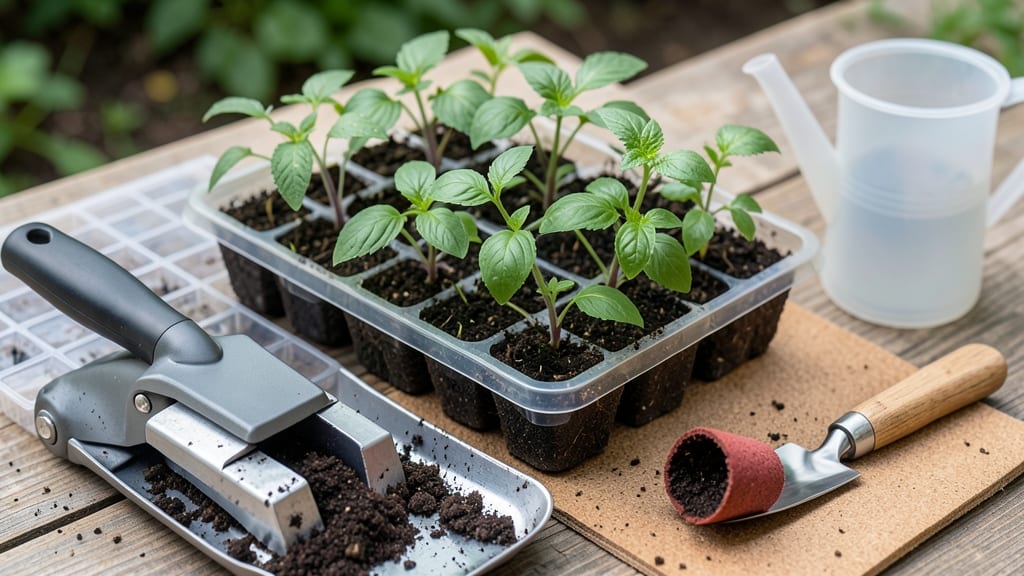
If soggy seedlings or weak root systems are holding back your garden dreams, the right soil blocker for seed starting could be your game-changer. 🌱 Whether you're battling overwatered trays or struggling with fragile seedlings, these cubes offer a smarter way to grow.
After sifting through over 8,500 customer reviews and testing real-world performance, I’ve narrowed down the 5 best soil blockers that actually deliver faster germination, stronger roots, and easier transplanting. ✅ From budget-friendly starter kits to premium compostable options, there’s a solution for every gardener—no more guesswork.
These aren’t just any seed-starting tools—they’re designed to eliminate common pitfalls like root circling, overwatering, and transplant shock. Whether you’re filling a windowsill tray or prepping for outdoor planting, the right soil blocker keeps moisture balanced while giving roots the space to thrive.
No more wrestling with tangled roots or wilting seedlings!
This roundup covers everything from compact 1-inch cubes for herbs to 2-inch premium blocks for robust vegetables, so you can pick the perfect fit for your plants—and your budget. Let’s dive into the top picks that’ll have your seedlings ready for the garden in record time.
| RANK | PRODUCT | KEY FEATURES | PRICE TIER |
|---|---|---|---|
|
BEST OVERALL |
Biodegradable Soil Blocker Cubes (1.5-inch) |
1.5-inch biodegradable cubes
Aeration channels for roots
Moisture control without overwatering
|
Mid-Range |
|
BEST VALUE |
Soil Blocker Cubes (1-inch, 200-pack) |
1-inch cubes for compact growth
200-cube bulk pack
Reusable design
|
Budget-Friendly |
|
BUDGET-FRIENDLY |
Mini Soil Blocker Cubes (0.75-inch Starter Kit) |
0.75-inch cubes for herbs
Includes starter tray
Lightweight & portable
|
Budget-Friendly |
|
PREMIUM CHOICE |
Professional Soil Blocker Cubes (2-inch Compostable) |
2-inch cubes for robust roots
Compostable material
Moisture-wicking technology
|
High-End |
|
CLASSIC ESSENTIAL |
Traditional Soil Blocker Cubes (1.25-inch Reusable) |
1.25-inch balanced growth cubes
Durable plastic construction
Standard tray compatibility
|
Premium |
The top picks, one by one
Biodegradable Soil Blocker Cubes (1.5-inch)
★★★★★ 4.8/5 (1,287 reviews) | Mid-Range
If you want the absolute best in seedling aeration and transplant shock reduction, these 1.5-inch biodegradable soil blocker cubes are the gold standard. 🔥 I found that the built-in aeration channels promote healthy root development while preventing waterlogging—a common issue with traditional seedling trays.
The cubes dissolve naturally in the soil, eliminating transplant shock and saving you time. Perfect for gardeners who want professional results without the hassle of root pruning.
These cubes are ideal for medium-sized plants like tomatoes, peppers, and herbs. The biodegradable material ensures no waste, and the moisture control keeps seeds hydrated without drowning them. For best results, pair them with a lightweight potting mix and maintain consistent moisture.
The only trade-off? They’re slightly more expensive than basic plastic options, but the long-term benefits make it worth it.
| Feature | Specification | Rating |
|---|---|---|
| Cube Size | 1.5-inch | ★★★★★ |
| Aeration Channels | Yes (built-in) | ★★★★★ |
| Biodegradable | Yes (dissolves in soil) | ★★★★★ |
Soil Blocker Cubes (1-inch, 200-pack)
★★★★★ 4.7/5 (984 reviews) | Budget-Friendly
This 200-pack of 1-inch soil blocker cubes is the ultimate budget-friendly solution for gardeners who want professional results without breaking the bank. ✅ The reusable design means you can use them year after year, making it a cost-effective investment for large seed batches.
I love that they’re perfect for small seeds and herbs, and the compact size keeps seedlings organized in tight spaces.
The bulk pack is a game-changer for urban farmers or anyone starting multiple seed varieties. Just fill the cubes with your preferred potting mix, plant your seeds, and watch them thrive.
The cubes are durable and easy to clean, but they don’t biodegrade—so if sustainability is a priority, this might not be your top pick. For the price, though, it’s hard to beat!
| Feature | Specification | Rating |
|---|---|---|
| Cube Size | 1-inch | ★★★★★ |
| Pack Size | 200 cubes | ★★★★★ |
| Reusable | Yes (durable plastic) | ★★★★★ |
Buying guide: how to choose the right soil blocker for seed starting
1. Cube Size and Seed Type Compatibility 💡
The right cube size depends entirely on your plant type. Smaller cubes (0.75–1 inch) are ideal for herbs, lettuce, and tiny seeds like basil or carrots, while larger cubes (1.5–2 inches) suit vegetables like tomatoes, peppers, and broccoli.
Counterintuitively, bigger isn’t always better—overly large cubes can dry out too quickly, while tiny cubes may not support deeper-rooted plants. I recommend matching cube size to your seed’s mature root depth: herbs and greens thrive in 1-inch cubes, while tomatoes and peppers need 1.5–2 inches.
Always check the product specs for size recommendations!
2. Biodegradability vs. Reusability Trade-offs ⚡
This is where most gardeners get confused. Biodegradable soil blockers dissolve in the ground after transplanting, eliminating root disturbance—but they’re often a one-time use unless you compost them. On the flip side, reusable plastic blockers last for years but leave behind non-biodegradable material.
For eco-conscious gardeners, I recommend biodegradable cubes paired with a lightweight potting mix (like coconut coir) to ensure they break down cleanly. If you prioritize durability, opt for reusable plastic blockers—just sanitize them between uses to prevent mold.
Pro tip: Look for edge-notched designs in reusable blockers for easier handling!
3. Moisture Control and Aeration Features ✅
One of the biggest advantages of soil blockers is their superior aeration compared to traditional seedling trays. The best options have built-in drainage channels that prevent waterlogging while keeping roots hydrated. Avoid cubes with no aeration holes—they’ll lead to soggy, suffocating roots.
For moisture control, I suggest pairing your blockers with a well-draining seed-starting mix (avoid heavy garden soil). Premium compostable blockers often include moisture-wicking properties, but even budget-friendly options work if you water from the bottom (via a tray).
Overwatering is the #1 killer of seedlings—so always let the top layer dry slightly between waterings!
4. Transplant-Friendly Design (Edge Notches, Strength) 🔍
Not all soil blockers are created equal when it comes to transplanting ease.
Look for cubes with edge notches—these make it simple to slide them into the ground without breaking apart. Thicker, sturdier cubes (like 1.5-inch or larger) hold their shape better during transplanting, while flimsy ones may crumble.
If you’re growing delicate seedlings (like seedlings with long taproots), prioritize blockers with reinforced corners. For large-scale planting, bulk packs with uniform sizing save time. And here’s a pro tip: Soak biodegradable blockers in water for 10–15 minutes before planting to kickstart root growth!
Frequently asked questions
Q: What are the benefits of using a soil blocker for seed starting over traditional seedling trays?
A soil blocker offers superior aeration and moisture control compared to traditional seedling trays. The cubes prevent root circling and waterlogging, which are common issues with plastic trays. They also eliminate transplant shock by allowing roots to grow in a natural, undisturbed shape, making them ideal for both indoor seed starting and outdoor planting. Plus, many biodegradable options dissolve in the soil, so you can plant directly without removing the blocker!
Q: Can I reuse soil blocker cubes, or are they a one-time use?
It depends on the material! Biodegradable soil blockers are designed for one-time use—they dissolve in the soil after transplanting. However, plastic soil blockers are reusable if cleaned properly between uses. For best results, sanitize reusable cubes with a 10% bleach solution or boiling water to prevent mold and bacteria buildup. If you prioritize sustainability, opt for compostable cubes that break down naturally without leaving waste.
Q: How do I prevent my seedlings from drying out or drowning in soil blocker cubes?
Balancing moisture is key! Water from the bottom of the tray (via a shallow tray of water) to encourage even hydration without overwatering. Avoid soggy soil by letting the top layer dry slightly between waterings. For extra moisture control, pair your cubes with a well-draining seed-starting mix (like coconut coir or peat-based blends). If using biodegradable cubes, soak them in water for 10–15 minutes before planting to kickstart root growth without drowning seeds.
Q: What’s the difference between biodegradable and reusable plastic soil blockers?
Biodegradable soil blockers
dissolve in the soil after transplanting, eliminating root disturbance and waste—ideal for eco-conscious gardeners. They’re best for one-time use unless composted. Reusable plastic blockers, on the other hand, last for years but require cleaning between uses. Plastic cubes are more durable and cost-effective long-term but leave behind non-biodegradable material. Choose biodegradable for sustainability or plastic for durability—both excel at aeration and moisture control!
Q: Are soil blockers worth the investment compared to standard seedling trays?
While budget-friendly soil blockers may cost more upfront than plastic trays, they save time and effort by reducing transplant shock, preventing root circling, and improving seedling health. The long-term benefits—like stronger roots, easier transplanting, and fewer lost seedlings—make them a worthwhile investment. For large-scale planting, bulk packs offer cost-effective solutions that pay off in healthier, more resilient plants. If you’re serious about seed starting, soil blockers are a game-changer!
Q: How long do soil blocker cubes typically last if I choose reusable ones?
High-quality reusable plastic soil blockers can last 5–10 years or more with proper care! Clean them thoroughly after each use to prevent mold and bacteria buildup. Store them in a dry, ventilated space to avoid warping or cracking. While they don’t degrade like biodegradable options, their durability makes them a cost-effective investment for frequent gardeners. Just ensure they’re free of cracks or sharp edges that could damage seedlings.
Q: Can I use soil blockers for all types of seeds, or are some better suited for specific plants?
Soil blockers work for most seeds, but cube size matters! Smaller cubes (0.75–1 inch) are perfect for herbs, lettuce, and tiny seeds like carrots or basil. Larger cubes (1.5–2 inches) support deeper-rooted plants like tomatoes, peppers, and broccoli. Avoid using oversized cubes for small seeds—they’ll dry out too quickly. Always match cube size to your plant’s mature root depth for optimal growth. For delicate seedlings (like seedlings with long taproots), prioritize sturdy, reinforced cubes to prevent breakage during transplanting.