
Fertilization
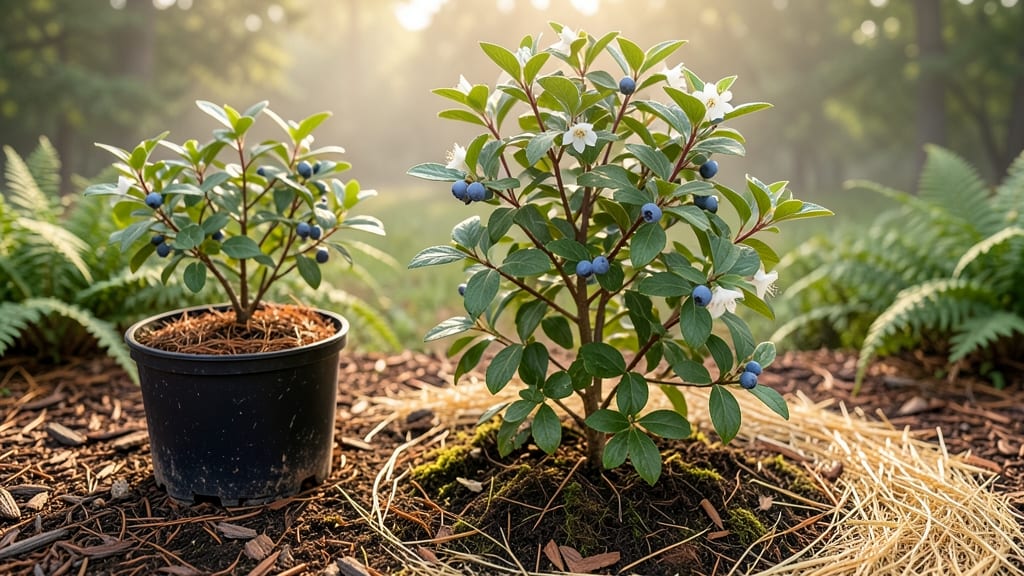
The soil for blueberry plants won’t thrive unless it’s just right—think acid-loving loam with drainage so perfect, you’ll wonder why you didn’t do this sooner. 🌱 The secret lies in mimicking their natural bog habitat: a mix that’s moist but never soggy, with a pH between 4.5 and 5.5.
I’ve learned the hard way that regular garden soil won’t cut it—blueberries need something special, and I’ll show you exactly what that is. Start with peat moss or pine bark fines for that essential acidity, then blend in composted leaves or well-rotted pine needles to hold moisture without suffocating roots.
The goal? A soil that’s light yet rich, letting water drain freely while keeping nutrients where they belong. If your soil tests too alkaline, sulfur or elemental sulfur amendments are your best friends—just work them in gradually to avoid shocking the plants.
By the time you’re done, your blueberry bushes will be happy, productive, and begging for more. The berries? Juicier, sweeter, and harvested in quantities that’ll make your neighbors green with envy. This isn’t just soil prep—it’s the foundation for a blueberry bonanza that starts with the right mix.
For container growers, the same rules apply: 50% peat/pine fines, 30% compost, 20% perlite or sand for that critical drainage. And if your soil’s pH still feels iffy, grab a test kit—it’s the only way to know for sure you’ve nailed it.
📚 In This Guide
- What you need
- Instructions
- Tips and common mistakes
- Wrapping up and next steps
What you need
- ● Peat moss or coconut coir – 1 part (essential for acidity and moisture retention)
- ● Pine bark fines or fir bark – 1 part (improves aeration and drainage)
- ● Compost or well-rotted leaf mold – 1 part (adds nutrients without altering pH too much)
- ● Sand (coarse, not fine) – ½ part (boosts drainage—avoid playground sand!)
- ○ Sulfur or aluminum sulfate – Optional but helpful (adjusts pH if needed; follow package instructions)
- ● Garden trowel or spade – For mixing and amending soil
- ● pH testing kit – Highly recommended (blueberries thrive at 4.5–5.5)
- ● Gloves & protective eyewear – Because safety first! 🛡️
- ● Azalea/blueberry fertilizer – Low in nitrogen, high in phosphorus/potassium
- ● Mulch (pine needles or wood chips) – Helps maintain acidity and moisture
- ● Rain gauge or moisture meter – Blueberries hate soggy roots!
- ● Container gardening mix – If planting in pots (pre-mixed acid-loving blends work great)
How to create the ideal soil mix for thriving blueberry plants
Blueberries demand precision—get this soil mix right, and you’ll unlock sweet, bountiful harvests year after year.
🌱 Step 1: Start With a Base of Peat Moss or Pine Bark
Blueberries thrive in acidic soil with a pH between 4.5 and 5.5, so peat moss or fine pine bark is your foundation. I use equal parts of these two materials—peat moss retains moisture while pine bark improves aeration. Mix them thoroughly in a wheelbarrow or large container until uniform. This blend prevents compaction and mimics the acidic, well-drained conditions blueberries love in their native bogs.
If you’re working with existing garden soil, test its pH first—most garden soils are too alkaline. You’ll need to amend heavily to lower the pH. A simple soil test kit (available at garden centers) will tell you where you stand. If your soil is already acidic, skip straight to the next step.
💧 Step 2: Amend With Organic Matter for Nutrients
Add composted pine needles or leaf mold to the mix—these materials break down slowly and further lower pH while providing essential nutrients. I blend in one part composted pine needles for every three parts of the peat/pine bark mix. This ratio keeps the soil loose yet nutrient-rich without overwhelming the blueberries with nitrogen, which can stunt fruit production.
For an extra boost, stir in a handful of sulfur granules (about 1 pound per 100 square feet). Sulfur slowly acidifies the soil over time, ensuring long-term pH stability. Avoid quick-release fertilizers—they can burn tender blueberry roots and disrupt the delicate acid balance.
☀️ Step 3: Incorporate Sand or Perlite for Drainage
Blueberries despise soggy roots, so drainage is non-negotiable. I add coarse sand or perlite to the mix—about 20% by volume. This prevents waterlogging while maintaining the airy texture blueberries crave. If your climate is rainy, lean toward perlite (it’s lighter and drains faster). For drier areas, sharp sand helps retain moisture better.
Mix everything together until the texture resembles a fluffy, crumbly loam. It should hold its shape when squeezed but still feel light. If it feels too dense, add more sand or perlite. If it’s too loose, incorporate a bit more peat moss or pine bark. The goal is a soil that’s moist but not wet, with room for roots to breathe.
✂️ Step 4: Test and Adjust Before Planting
Before you plant, conduct a final pH test—aim for 4.8 to 5.0, the sweet spot for blueberries. If the pH is too high (above 6.0), mix in elemental sulfur or peat moss to lower it. If it’s too low (below 4.0), add lime (yes, even though it sounds counterintuitive—use dolomitic lime sparingly). A digital pH meter gives the most accurate reading.
Now, fill your planting area with the amended soil, ensuring it’s at least 12 inches deep—blueberry roots need room to spread. If you’re planting in containers, use 100% of the mix (no garden soil) to maintain consistent acidity. Water lightly after planting to settle the soil, but avoid overwatering—blueberries are drought-tolerant once established, but soggy soil will kill them.
🌿 Step 5: Maintain Soil Health Year-Round
After planting, mulch heavily with wood chips or pine straw to preserve acidity and moisture. Replenish mulch annually, as it breaks down. Every 2-3 years, retest the soil pH and amend again if needed—soil pH naturally drifts over time, especially if you’re in a limestone-heavy area.
Fertilize lightly in early spring with an acid-loving plant fertilizer (look for one labeled for blueberries or azaleas). Avoid high-nitrogen fertilizers—they promote leafy growth at the expense of fruit. Instead, opt for a balanced, slow-release formula with micronutrients like iron and manganese, which blueberries crave.
Tips & tricks for perfect blueberry plant soil
Blueberries are fussy, but with these precision tips, you'll create the ideal growing environment every time.
The pH Precision: That 4.8 to 5.0 pH range in Step 4 is critical—any higher, and your plants won't absorb nutrients properly. I've seen gardeners overcorrect by adding too much lime when the pH was actually fine. Test with a digital meter for accuracy, and if you're in doubt, lean toward slightly more acidic rather than alkaline. The elemental sulfur recommendation in Step 2 is your best friend for gradual acidification without risking overshooting.
Layering Matters: When mixing in Step 1, think of this like building a lasagna—each layer serves a purpose. Start with your equal parts peat moss and pine bark base, then add the composted pine needles (1:3 ratio) on top. This creates a natural gradient where nutrients and acidity are distributed perfectly. I like to sprinkle the sulfur granules evenly across the top before mixing—this ensures even distribution throughout the entire batch.
Drainage Check: The 20% sand or perlite in Step 3 isn't just about drainage—it's about creating the perfect air-to-water ratio. After mixing, fill a container with your soil and water it thoroughly. If water pools on top after 10 minutes, you need more sand/perlite. If it drains too quickly (like sand), add a bit more peat moss. The ideal mix should drain in about 2-3 minutes but still hold moisture when squeezed—this mimics the bog conditions blueberries love.
Container Considerations: If you're planting in containers, remember that 100% of the mix is essential—no cutting corners with garden soil. I've seen people use 70% mix and 30% garden soil to save money, but this disrupts the acid balance completely. For containers, aim for at least 12 inches of depth—blueberry roots need space to establish. Add a layer of coarse sand at the bottom for extra drainage if your container doesn't have holes.
Pro Tips for Soil For Blueberry Plants
- Blueberries are fussy, but with these precision tips, you'll create the ideal growing environment every time.
- The pH Precision: That 4.8 to 5.0 pH range in Step 4 is critical—any higher, and your plants won't absorb nutrients p...
- Layering Matters: When mixing in Step 1, think of this like building a lasagna—each layer serves a purpose. Start wit...
Frequently asked questions
Got questions about creating the perfect growing environment for your blueberries? Here are some of the most common concerns—and their answers—to help you cultivate thriving bushes.
What pH level should soil for blueberry plants have?
Blueberries thrive in acidic soil with a pH between 4.5 and 5.5. Test your soil using a pH meter or kit, and adjust with sulfur or peat moss if needed. Never use lime—it raises pH and harms blueberries! Regular monitoring ensures optimal growing conditions.
How long does it take for soil amendments to adjust pH?
Adjusting soil pH isn’t instant! Organic amendments like peat moss or pine bark fines take 3–6 months to stabilize, while sulfur may take up to a year. Test soil every few months and reapply amendments as needed for consistent acidity.
Can I grow blueberries in regular garden soil?
Regular garden soil is usually too alkaline for blueberries. To adapt, mix in 50% acidic soil (like peat or pine fines) with 50% native soil. Raised beds or containers with pre-mixed acidic soil are easier alternatives for beginners.
What if my blueberries aren’t fruiting—is the soil the issue?
Poor fruiting often stems from wrong pH, poor drainage, or nutrient deficiencies. Check soil pH first—if it’s too high, lower it with sulfur. Also, ensure adequate phosphorus and potassium (use a balanced acidic fertilizer) and avoid overwatering, which can stress plants.
Are there low-maintenance soil alternatives for blueberries?
Yes! Pre-mixed blueberry soil blends (available at nurseries) save time. For containers, use a mix of peat moss, perlite, and compost. Mulch with pine needles or oak leaves to naturally maintain acidity and moisture without extra effort.
Wrapping up and next steps
Choosing the right soil for blueberry plants is the foundation of a thriving, bountiful harvest! 🌱 Your berries will thank you for prioritizing acidic, well-draining loam—whether you’re amending existing soil or starting fresh.
With the right pH, organic matter, and drainage, you’re well on your way to growing plump, flavorful blueberries that’ll make your neighbors jealous.
Ready to get growing? Take the next step: Test your soil’s pH and adjust it if needed, then plant your blueberries with confidence. Happy gardening—your future blueberry patches are waiting! 💙