
Companion Plants
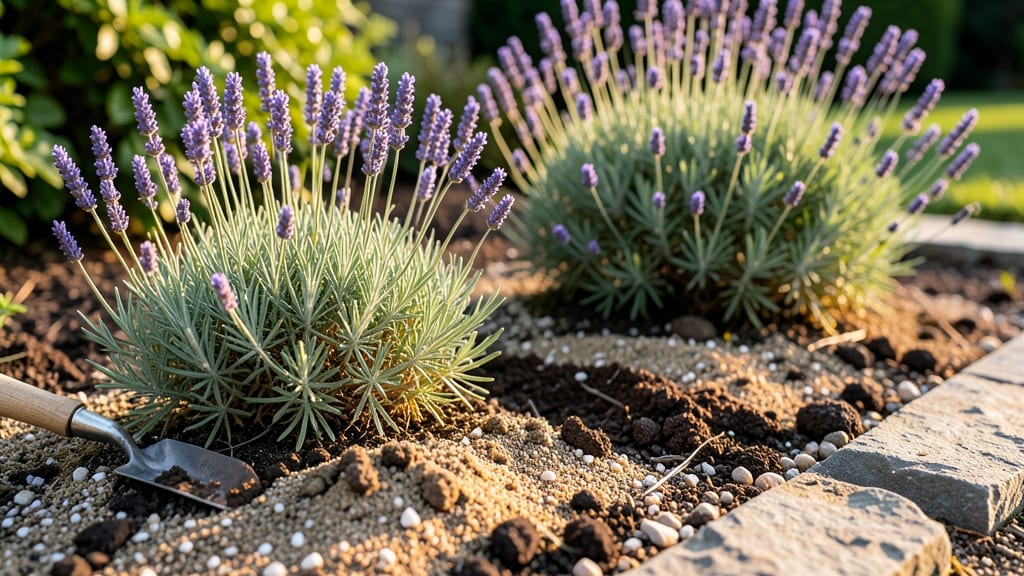
Soil for lavender plants thrives in well-draining loam that mimics its Mediterranean roots—a gritty texture and alkaline pH. 🌿 I learned the hard way that soggy soil turns lavender into a sad, leggy mess, but the right mix transforms it into a fragrant, bushy powerhouse. The secret? A blend that lets water drain like a sieve while holding just enough moisture for roots to sip, not drown.
Start with 60% garden loam, then add 30% coarse sand or perlite (never fine sand—it compacts) and 10% crushed gravel or pumice for that essential airiness. Lavender hates wet feet, so if your native soil holds water, raise beds or plant in containers with drainage holes.
Test your pH—aim for 6.5–7.5, and if yours is acidic, sprinkle crushed limestone or wood ash to nudge it upward.
Once established, lavender rewards you with silver-gray foliage and violet spikes that smell like a Provençal summer. The plants stay compact, drought-tolerant, and pest-resistant when happy. Even in hot afternoons, they’ll bounce back from dry spells—just don’t let them sit in saucers of standing water.
A mulch of small gravel (not organic mulch) keeps roots cool and prevents soil from packing down.
For containers, use a fast-draining mix with extra perlite or pumice—terracotta pots help wick away moisture. In rainy climates, plant on a slope or mound soil to encourage runoff.
The key? Mimic the rocky, sunbaked hills where lavender evolved. Your plants will thank you with years of fragrant abundance and zero fuss.
📚 In This Guide
- What you need
- Instructions
- Tips and common mistakes
- Wrapping up and next steps
What you need
- ● Garden loam or topsoil: 50% of the mix (2 parts for every 1 part of other materials). Choose a lightweight, sandy loam (avoid heavy clay!).
- ● Coarse sand or perlite: 25% of the mix (1 part). Opt for builder’s sand or horticultural sand (grain size: 0.5–1mm) to prevent compaction.
- ● Compost or well-rotted manure: 25% of the mix (1 part). Lavender prefers minimal fertility—use low-nitrogen compost (like leaf mold or worm castings) to avoid leggy growth.
- ○ Lime (optional but recommended): 1–2 tbsp per 5 gallons of mix (or adjust soil pH to 6.5–7.5). Lavender thrives in slightly alkaline soil.
- ● Lavender plants: Choose dwarf varieties (e.g., ‘Munstead’ or ‘Hidcote’) for containers or tall varieties (e.g., ‘Grosso’) for garden beds.
- ● Garden trowel or spade (for mixing and planting).
- ● Wheelbarrow or large bucket (for blending soil components).
- ● pH testing kit (to check soil acidity/alkalinity).
- ● Gloves and dust mask (for handling sand/compost).
- ○ Containers (optional): 5–7" pots for dwarf lavender or fabric grow bags (to prevent root binding).
- ● Test your soil first! 🌡️ If your native soil is clay-heavy, mix in 30% extra sand.
- ● Avoid peat moss—it retains too much moisture and can suffocate lavender roots.
- ● For containers: Add a 1-inch layer of gravel at the bottom for extra drainage.
- ● Mulch lightly (if needed) with gravel or small pebbles—never use organic mulch, as it can rot and trap moisture.
How to create the perfect well-draining soil for lavender plants
Lavender thrives in soil that mimics its native Mediterranean conditions—here's how to mix it exactly right.
🌱 Step 1: Start with a Base of Fast-Draining Sand
Lavender roots need air more than water, so begin with 50% coarse sand. I use horticultural sand (not playground sand) because it's sterile and won't compact. Spread a 2-inch layer at the bottom of your planting area or container—this prevents waterlogging where roots first form.
Don't skip this layer. Without it, lavender's delicate roots suffocate in heavy soil, leading to root rot within weeks. Tap the sand lightly to settle it evenly, then sift out any large particles that could create air pockets.
🌿 Step 2: Add a Loose, Organic Component
Mix in 30% well-aged compost or leaf mold to provide nutrients without compacting the soil. I prefer composted leaves because they break down slowly, feeding roots over time. Work it into the sand until you achieve a gritty, crumbly texture—think of dry cake batter, not wet mud.
This organic matter helps retain just enough moisture to support lavender's shallow roots while preventing clumping. If your compost is still fresh, bake it in the sun for a week first to kill any weed seeds that could compete with your lavender.
💧 Step 3: Blend in a Structure-Building Element
Complete the mix with 20% perlite or pumice to create permanent air pockets. I use perlite because it's lightweight and stays sterile. Sprinkle it evenly over the sand-compost blend, then gently fold it in with a garden fork until the soil looks uniformly speckled with tiny white flecks.
This isn't just about drainage—it's about creating a soil structure that mimics lavender's natural habitat. The perlite prevents compaction, so roots can spread freely rather than circling in search of oxygen. Test your mix by squeezing a handful: it should crumble easily when dry but hold its shape when damp.
☀️ Step 4: Adjust pH for Optimal Growth
Lavender prefers slightly alkaline soil with a pH between 6.5 and 7.5. If your local soil runs acidic, amend it with 1 cup dolomitic lime per square foot and mix thoroughly. I test my soil first using a simple pH kit—lavender's yellowing leaves are often a sign of improper pH before poor drainage.
Don't overdo the lime. Too much raises pH too quickly, locking out essential nutrients. Work it into the top 6 inches of soil only, since lavender's roots rarely go deeper than that. Water the amended soil lightly to help the pH adjust evenly.
✂️ Step 5: Plant and Maintain the Perfect Mix
Plant lavender cuttings or young plants in your prepared soil, spacing them 18-24 inches apart to allow airflow. Water immediately after planting to settle the soil around roots, then let it dry completely before watering again. I use a soaker hose to avoid disturbing the soil structure.
This soil mix stays dry faster than regular garden soil, so you'll water about 50% less than with other plants. The key is consistency—lavender hates soggy feet. Within a year, your plants will reward you with dense, fragrant foliage that repels pests naturally.
Tips & tricks for perfect lavender soil mix
Creating the ideal lavender soil mix isn't just about throwing ingredients together—it's about recreating Mediterranean conditions in your garden. Here's how to elevate your mix from good to extraordinary.
Sand Selection: Not all sand works equally! The 50% coarse horticultural sand you use should be clean and sterile—playground sand contains impurities that can harm roots. I source mine from garden centers labeled specifically for horticultural use. For containers, pre-wet the sand slightly before adding it to your planting area; this helps it settle more evenly and prevents air pockets that could trap moisture against delicate roots.
Compost Quality Check: The 30% well-aged compost is where many gardeners go wrong. Fresh compost can be too nitrogen-rich, which burns lavender's sensitive roots. I test mine by looking for dark brown, crumbly texture with no visible chunks. If your compost still has recognizable vegetable scraps, bake it in the sun for a week first—this pasteurizes it and kills weed seeds that could compete with your lavender.
Perlite vs. Pumice: While both serve the same purpose, perlite is my go-to because it's lighter and stays sterile longer. When folding in the 20% perlite or pumice, think of it as creating a "skeleton" for your soil. The goal is to see those white flecks evenly distributed throughout—this ensures oxygen reaches every root. For containers, I like to add an extra 5% perlite to prevent compaction over time.
pH Testing Shortcut: You don't need expensive lab tests to check your pH. I use a simple liquid pH test kit that costs under $10. For lavender's preferred 6.5-7.5 range, aim for the upper end—this mimics the alkaline soils of lavender's native Mediterranean habitat. If your soil tests below 6.5, work the 1 cup dolomitic lime per square foot into the top 6 inches only, as lavender roots rarely go deeper.
Pro Tips for Soil For Lavender Plants
- Creating the ideal lavender soil mix isn't just about throwing ingredients together—it's about recreating Mediterranean conditions in your garden.
- Sand Selection: Not all sand works equally!
- Compost Quality Check: The 30% well-aged compost is where many gardeners go wrong.
Frequently asked questions
Got questions about lavender soil? You’re not alone! Here are answers to the most common concerns—so you can grow fragrant, thriving lavender with confidence.
What type of soil is best for lavender plants?
Lavender thrives in well-draining, slightly alkaline soil with a mix of sandy loam and gravel. Avoid heavy clay or waterlogged soil—lavender hates soggy roots! A blend of 60% soil, 30% sand/perlite, and 10% compost works wonders. For container plants, use a cactus/succulent mix with extra grit.
When is the best time to plant lavender in new soil?
Plant lavender in early spring or late fall when temperatures are mild (50–75°F). Avoid summer heatwaves—lavender struggles to establish roots in extreme conditions. If transplanting, water lightly for the first week to help it adjust, then let the soil dry out between waterings.
Can I grow lavender in poor or rocky soil?
Lavender is drought-tolerant and adaptable to lean, rocky, or sandy soils. If your soil is too dense, amend it with coarse sand or pumice to improve drainage. In urban areas, raised beds with a 50/50 mix of native soil and gravel can mimic its natural Mediterranean habitat.
Why is my lavender turning yellow or dying despite good soil?
Yellowing leaves or wilting often signal overwatering or poor drainage. Let the soil dry completely between waterings—lavender roots rot easily in soggy conditions. Check for pests (aphids, spider mites) or fungus (like root rot). If soil is too compacted, aerate it with a fork or add more sand.
Do I need to fertilize lavender if I’m using special soil?
Lavender is light feeder—over-fertilizing harms it! Use a balanced, low-nitrogen fertilizer (5-5-5) once a year in spring, or skip it entirely if your soil is amended well. Organic options like fish emulsion (diluted) or compost tea work gently. Never use manure—it’s too rich!
Wrapping up and next steps
Choosing the right soil for lavender plants is your secret to thriving, fragrant blooms—and now you’ve got all the tools to succeed! 🌿 Whether you’re amending clay, sand, or starting fresh with a well-draining loam mix, remember: lavender loves it dry, rocky, and slightly alkaline.
With the perfect foundation, your plants will reward you with vibrant purple spikes and that signature soothing scent.
Ready to take the next step? Roll up your sleeves and plant! Start by prepping your soil, pop those cuttings or seedlings in, and soon you’ll be harvesting lavender for sachets, teas, or just the pure joy of a blooming garden. Happy growing! 🌸