
How To
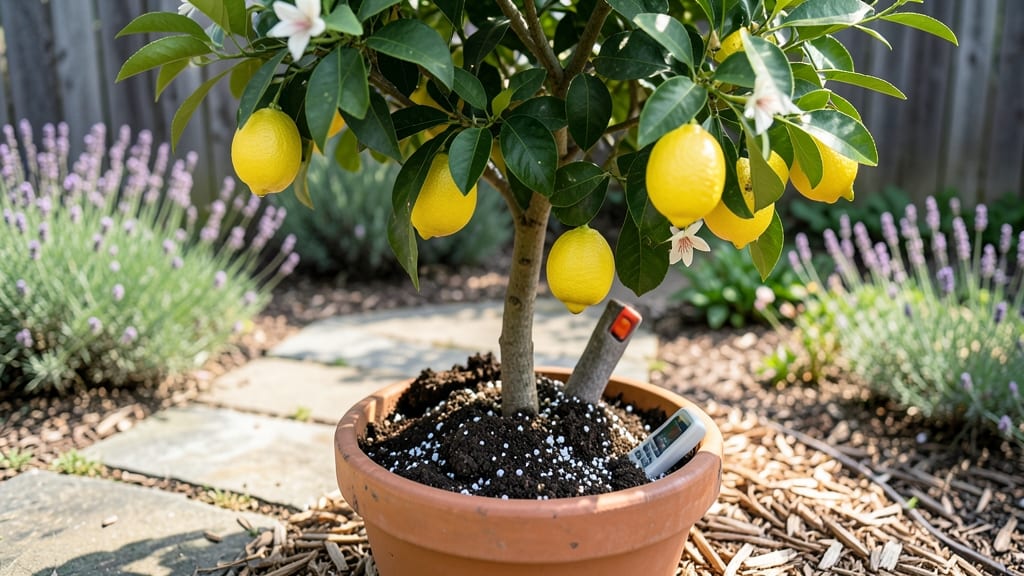
Your lemon tree’s future depends on the soil you give it—fast-draining, slightly acidic mix is the secret weapon. 🌱 I’ve watched lemon trees drown in heavy clay and wither in alkaline soil, but the right blend transforms a struggling sapling into a fruit-loaded powerhouse within months.
The ideal mix combines 60% fast-draining material (like coarse sand or perlite) with 30% organic matter (compost or peat moss) and 10% mineral soil. For containers, add a handful of pumice or lava rock to prevent root rot—citrus hates soggy feet.
In-ground plantings need raised beds or mounds to improve drainage.
You’ll know you’ve nailed it when roots spread freely in the soil and new growth appears within 4-6 weeks. The leaves stay glossy green, not yellow or curled, and the tree resists pests better. Even in hot summers, the soil stays just moist enough without turning into swampy sludge.
Regional tweaks matter: Southern gardeners add extra sand, while Northern growers might need a greenhouse or container setup. Avoid garden soil—it’s too dense and alkaline. Here’s how to test and adjust yours for perfect citrus conditions.
📚 In This Guide
- What you need
- Instructions
- Tips and common mistakes
- Wrapping up and next steps
What you need
- ● Potting Soil: 50% well-draining, peat-based or coco coir mix (e.g., Miracle-Gro Potting Mix or FoxFarm Ocean Forest). (2 parts)
- ● Perlite or Pumice: 25% for aeration and drainage. (1 part)
- ● Sand (Coarse): 25% to prevent compaction. (1 part)
- ● Sulfur (Powdered): 1 tsp per gallon of mix to lower pH to 5.5–6.5.
- ● Citrus-Specific Fertilizer: 1 tbsp slow-release citrus fertilizer (e.g., Espoma Citrus-Tone).
- ● Mixing Container: Large bucket, wheelbarrow, or clean trash can (at least 5-gallon capacity).
- ● Gloves & Mask: For handling sulfur and soil (safety first! 😷).
- ○ pH Test Kit: Optional but recommended to verify acidity.
- ● Trowel or Spade: For amending existing garden soil (if planting outdoors).
- ● Container with Drainage Holes: 5+ gallon pot for potted lemons (or in-ground bed with amended soil).
- ● Compost: 10% for extra nutrients (avoid fresh manure—it’s too alkaline!).
- ● Worm Castings: 5% for microbial health (great for root growth!).
- ● Lemon Tree Mulch: Crushed oak leaves or pine bark to retain acidity.
How to create the perfect fast-draining acidic soil for lemon trees
Here's my foolproof method for creating citrus-friendly soil that mimics the Mediterranean conditions lemon trees thrive in.
🌱 Step 1: Start With a Quality Base Soil
Begin with 2 parts high-quality potting mix—look for one labeled "citrus blend" or "acid-loving plants" if available. This provides the foundational organic matter lemon trees crave. I prefer a mix with 50% peat moss or coconut coir for moisture retention while still allowing drainage.
If you're using regular potting mix, amend it by adding 1 part perlite or pumice to improve aeration. This prevents the soil from compacting, which is critical for citrus roots that need oxygen. Sift the mix to remove any large clumps—lemon trees hate soggy roots, and clumps create pockets where water pools.
💧 Step 2: Acidify the Mix for Optimal pH
Lemon trees demand acidic soil with a pH between 5.5 and 6.5. To achieve this, incorporate 1 part elemental sulfur or 1 part pine bark fines into your mix. I prefer sulfur because it lowers pH gradually, giving you more control. Mix it thoroughly—uneven distribution can create hot spots where roots burn.
For an extra boost, add ½ cup of peat moss per 4 gallons of mix. Peat moss naturally acidifies the soil and holds moisture without suffocating roots. Test the pH before planting using a soil meter—if it reads above 6.5, add another ¼ cup sulfur per gallon and remix. Wait 2-3 weeks before planting to let the pH stabilize.
☀️ Step 3: Enhance Drainage for Root Health
Fast drainage is non-negotiable for lemon trees. Add 1 part coarse sand or grit (like horticultural grit or crushed granite) to your mix. This prevents water from pooling at the roots, which causes rot. I like to use coarse sand because it breaks down slowly, maintaining structure over time.
For containers, mix in 20% additional perlite or pumice to ensure excess water drains quickly. Lemon trees in pots are especially vulnerable to overwatering, so this step is critical. Fill your container ⅔ full with the amended mix, leaving room for the tree’s root ball and a 2-inch layer of gravel at the bottom for extra drainage.
✂️ Step 4: Add Organic Matter for Long-Term Fertility
Incorporate 1 part compost or well-aged leaf mold into your mix for nutrients and structure. Lemon trees are heavy feeders, and organic matter provides slow-release nutrition. I avoid fresh manure—it can burn tender citrus roots and disrupt the soil’s delicate pH balance.
For established trees, top-dress the soil annually with ½ inch of compost in early spring. This replenishes nutrients without overwhelming the tree. Mix the compost lightly into the top 2 inches of soil—never pile it against the trunk, as this can attract pests and promote rot.
🪴 Step 5: Test and Adjust Before Planting
Before adding your lemon tree, conduct a final moisture and pH test. Pack the amended soil into the container or garden bed and water it thoroughly. After 30 minutes, check drainage—water should flow freely from the bottom. If it pools, add more perlite or coarse sand and remix.
Use a soil pH meter to confirm the mix is between 5.5 and 6.5. If it’s still too high, add a small amount of aluminum sulfate (follow package instructions) and remix. Lemon trees are finicky about pH, so accuracy here prevents years of struggling growth. Once satisfied, plant your tree and water deeply to settle the soil around the roots.
Tips & tricks for perfect lemon tree soil mix
Creating the ideal citrus-friendly soil mix takes a few key adjustments—here’s how to nail it every time without the guesswork.
Base Soil Selection: If you can’t find a pre-mixed citrus blend, opt for a high-quality potting mix with at least 30% peat moss or coconut coir. The 50% recommendation is ideal, but even 30% will work in a pinch—just monitor moisture levels more closely. I’ve found that mixes with orchid bark also work well for drainage, though they may need slightly more sulfur to maintain acidity.
pH Stabilization Strategy: The 2-3 week wait before planting is non-negotiable for sulfur’s full effect. For faster results, use pine bark fines instead—they acidify immediately. Test your pH again after the waiting period, as some mixes may need a second adjustment of ¼ cup sulfur per gallon if your meter still reads above 6.5. I keep a small notebook to track pH changes over time.
Drainage Layer Hack: That 2-inch gravel layer at the bottom of containers isn’t just decorative—it’s your first line of defense against root rot. For extra insurance, I line the bottom of pots with landscape fabric before adding gravel. This prevents fine soil particles from clogging the drainage holes while still allowing water to escape freely.
Organic Matter Timing: When top-dressing established trees, apply compost in early spring when new growth begins. The ½ inch layer should be spread evenly over the soil surface, then lightly scratched into the top 2 inches. Avoid piling compost against the trunk—this creates a moisture trap that invites fungal issues. I use a small rake to gently mix it in without disturbing the roots.
Pro Tips for Soil For Lemon
- Creating the ideal citrus-friendly soil mix takes a few key adjustments—here’s how to nail it every time without the guesswork.
- Base Soil Selection: If you can’t find a pre-mixed citrus blend, opt for a high-quality potting mix with at least 30% peat moss or coconut coir.
- pH Stabilization Strategy: The 2-3 week wait before planting is non-negotiable for sulfur’s full effect.
Frequently asked questions
Got questions about growing the perfect soil for your lemon tree? You’re not alone! Here are some of the most common concerns—and easy answers—to help your citrus thrive.
What’s the ideal pH range for lemon tree soil?
The sweet spot for lemon trees is acidic soil with a pH between 5.5 and 6.5. Too alkaline (above 7.0), and nutrients like iron and zinc become unavailable, causing yellowing leaves. Test your soil with a kit or send a sample to a local extension office for precise results.
Can I use regular garden soil for a lemon tree?
Nope! Regular garden soil is often too dense and alkaline for lemons. Instead, mix 50% well-draining potting soil with 30% perlite or pumice and 20% compost or peat moss to mimic their native Mediterranean conditions. Avoid clay-heavy soils—roots need air!
How often should I repot a lemon tree for better soil?
Repot young lemon trees every 1–2 years (spring is best) to refresh the soil mix. Mature trees (3+ years) can stay in the same pot but benefit from a top-dressing of fresh acidic soil annually. Always choose a pot just 2–3 inches larger in diameter to avoid root stress.
Why are my lemon tree leaves turning yellow, even with the right soil?
Yellow leaves often signal nutrient deficiencies or poor drainage. Check for:
- Overwatering: Let the top 2 inches of soil dry out between waterings.
- Iron/chlorosis: Add chelated iron or use sulfur to lower pH.
- Root rot: Ensure pots have drainage holes and avoid soggy soil.
What’s a quick fix for acidic soil if my lemon tree is struggling?
Boost acidity fast with these DIY tweaks:
- Sprinkle elemental sulfur (1 tsp per gallon of soil) and water.
- Mix in pine needles or coffee grounds (½ cup per pot) as organic amendments.
- Use an acid-loving plant fertilizer (like citrus-specific blends) monthly.
Results may take 4–6 weeks, so be patient—and test your soil again after!
Wrapping up and next steps
Growing a thriving lemon tree starts with the right soil mix—one that’s fast-draining, acidic, and nutrient-rich. By blending sand, peat moss, and compost in the perfect ratio, you’ll create an ideal home for your citrus plant to flourish.
Remember, pH matters, so test and adjust as needed to keep your tree happy and productive!
Now that you’ve got the soil science down, it’s time to roll up your sleeves and get planting! 🌱 Start by preparing your pot or garden bed, then layer in your custom mix. With patience and care, you’ll soon be harvesting juicy, homegrown lemons—what’s not to love?
💡 Pro Tip: Keep an eye on your tree’s health and tweak the soil as it grows. Happy gardening!