
How To
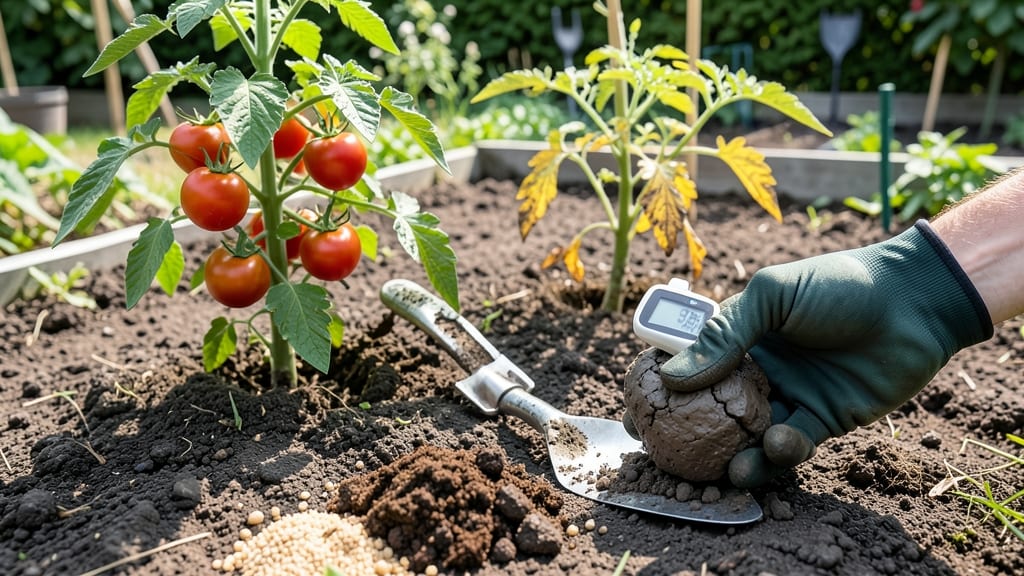
When soil has a high clay content, it becomes dense and compacted, trapping water and limiting root growth—but you can improve aeration and workability naturally by adding compost, gypsum, and sand while testing clay percentage and pH levels first.
Clay-heavy soil acts like a sponge that won't release water, suffocating plant roots and beneficial microbes. 🌱 The tiny plate-like particles stick together tightly, creating a brick-like structure that blocks oxygen flow.
I've seen gardens transform after just one season of organic amendments—compost loosens the compacted layers while gypsum helps break down clay particles over time. Start with a simple soil test to identify your exact clay percentage before choosing amendments, as some plants actually thrive in clay once properly conditioned.
For best results, mix in 2-3 inches of compost into the top 6 inches of soil in early spring, followed by a light application of coarse sand to improve drainage.
Gypsum (calcium sulfate) works best when worked into the soil 3-4 months before planting, allowing time to dissolve and restructure the clay. Always water thoroughly after amending to help the particles settle properly.
💡 In This Article
- Why Clay Soil Struggles with Drainage and Root Growth
- Natural Amendments to Break Up Compacted Clay Soil
Why clay soil struggles with drainage and root growth
Clay particles have a unique plate-like shape that stacks together like a house of cards, creating microscopic gaps just 0.002 millimeters wide. These tiny spaces fill quickly with water, which then gets trapped by surface tension—like a sponge that won't release its moisture.
The electrostatic charges on clay particles also attract and hold onto water molecules, making drainage nearly impossible. This waterlogging suffocates roots by displacing oxygen, which plants need for respiration, and creates anaerobic conditions where harmful bacteria thrive instead of beneficial microbes.
In clay-heavy soils, roots struggle to penetrate because the compacted structure acts like concrete.
For comparison, sandy soils have particles 0.05-2 millimeters wide with large air pockets, while loamy soils (ideal for most plants) have a balanced mix with 45% mineral particles, 5% organic matter, and 50% pore space for air and water.
Clay soils often contain 30-60% clay particles, leaving little room for roots to expand. You'll notice plants in clay soil often develop shallow, stunted root systems as they search for oxygen near the surface rather than growing deep.
The impact on microbial life is dramatic too. Beneficial bacteria and fungi need both oxygen and organic matter to thrive, but clay's tight structure limits these essentials. In poorly drained clay, harmful microbes like Pythium (a water mold) can flourish, leading to root rot.
The good news? Once you improve drainage, microbial diversity rebounds within 6-12 months, breaking the cycle of poor soil health. This is why amending clay soil isn't just about helping plants—it's about reviving the entire underground ecosystem.
Nutrient availability also becomes erratic in clay soils. While clay particles have a high cation exchange capacity (meaning they can hold many nutrients), the compacted structure prevents roots from accessing them efficiently. For example, phosphorus—critical for root development—often binds tightly to clay particles and becomes unavailable to plants.
The solution lies in balancing the soil's chemistry with amendments that both loosen the structure and adjust pH levels, typically aiming for a range of 6.0-7.0 for most vegetables and flowers. 🌱
One visual clue to identify clay soil is its sticky, plastic-like texture when wet and hard, brick-like consistency when dry. If you've ever tried to dig in clay soil, you know it resists like a solid wall—this physical barrier is what makes gardening in clay soils so challenging.
The key to improvement starts with understanding these microscopic interactions, because addressing the root cause (literally) is what transforms problematic clay into productive garden soil.