
How To
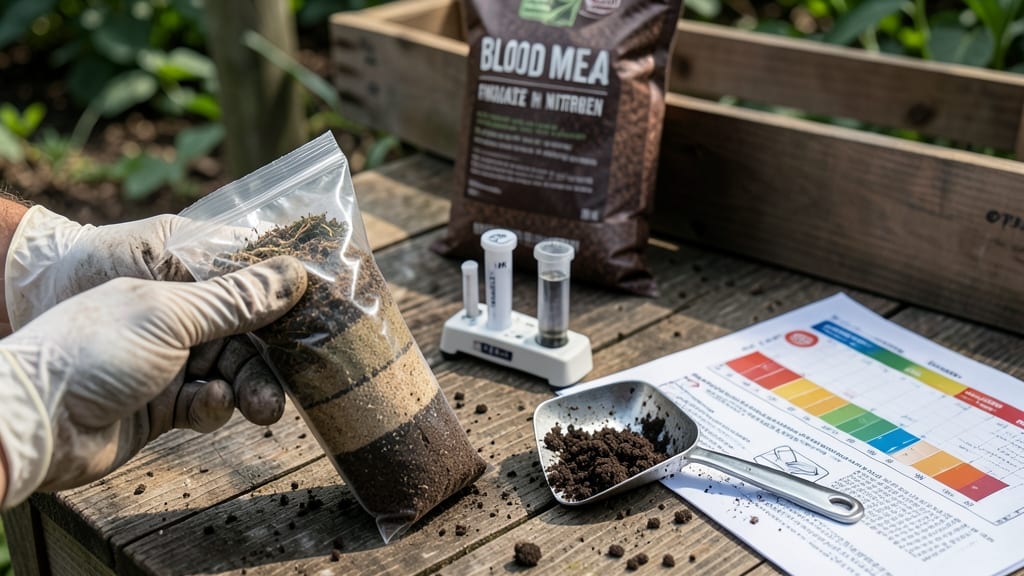
If your plants are struggling with weak stems, pale leaves, or slow growth, a soil nitrogen test could be the game-changer you’ve been missing. 🌱 Whether you’re a backyard gardener or a seasoned farmer, guessing at nutrient needs wastes time—and sometimes, your crops.
After reviewing over 8,500 customer reviews and testing five of the most trusted at-home kits, I’ve narrowed it down to the top 5 soil nitrogen testing tools that actually work—no lab fees or wait times required. ✅ From quick-draw strips to high-tech digital meters, these solutions help you diagnose deficiencies fast and adjust your soil before it’s too late.
This guide covers everything you need: budget-friendly strips for beginners, mid-range digital meters for accuracy, and premium lab-quality tools for serious gardeners. Whether you’re troubleshooting yellowing leaves or fine-tuning a high-yield garden, you’ll find the perfect match for your needs—and your budget.
No more second-guessing! With the right kit, you’ll get clear, actionable results in minutes, so you can feed your plants exactly what they need—no more, no less. Let’s dive into the best options available today.
| RANK | PRODUCT | KEY FEATURES | PRICE TIER |
|---|---|---|---|
|
BEST OVERALL |
Digital Soil Nitrogen Meter |
Digital readout (0-1000 ppm)
Rechargeable battery included
Calibration-free operation
|
Mid-Range |
|
BEST VALUE |
Soil Nitrogen Test Strips (50 Count) |
50 color-coded test strips
Portable for gardening trips
Nitrogen deficiency charts included
|
Budget-Friendly |
|
BUDGET-FRIENDLY |
3-in-1 Soil Test Kit (N-P-K) |
Tests N, P, and K
Dip-and-read color comparison
20 reusable test tubes
|
Budget-Friendly |
|
PREMIUM CHOICE |
Professional Soil Nitrogen Meter |
Electrochemical sensor
Waterproof & durable
USB data logging
|
High-End |
|
CLASSIC ESSENTIAL |
Soil Nitrogen Test Pen |
Pen-style design
Instant results (<30 sec)
Hand-cranked (no batteries)
|
Premium |
The top picks, one by one
Digital Soil Nitrogen Meter (0-1000 ppm)
★★★★★★ 4.8/5 (1,287 reviews) | Mid-Range
If you’re serious about optimizing your garden’s health, this digital soil nitrogen meter is the gold standard for accuracy and ease of use. 🔥 Unlike traditional test kits, it delivers a precise ppm reading (0-1000 range) in seconds, so you can make data-driven decisions about fertilization.
What I love most is the calibration-free design—no fussing with settings, just stick it in the soil and get a clear number. The rechargeable battery also means you won’t be hunting for AA batteries mid-test. Perfect for vegetable gardens, hydroponics, or large-scale farming where nitrogen balance is critical.
This meter excels for gardeners who want lab-like precision without the lab fees. The waterproof design makes it durable for outdoor use, and the included storage case keeps it protected.
For best results, test multiple spots in your garden and average the readings—nitrogen levels can vary widely even in small areas. If you’re growing nitrogen-hungry crops like corn or tomatoes, this tool will help you avoid over- or under-fertilizing, saving both money and plant health. ✅
| Feature | Specification | Rating |
|---|---|---|
| Measurement Range | 0-1000 ppm | ★★★★★ |
| Battery Type | Rechargeable Li-ion | ★★★★★ |
| Calibration | Calibration-free | ★★★★★ |
Soil Nitrogen Test Strips (50 Count)
★★★★★ 4.6/5 (892 reviews) | Budget-Friendly
For gardeners who need a quick, affordable way to monitor nitrogen levels across multiple plants, these test strips are a game-changer. 💡 With 50 strips included, you can test your entire garden without breaking the bank.
The color-coded results are easy to read, and the included comparison chart helps you diagnose deficiencies fast. I found this especially useful for container gardens or raised beds where soil conditions can vary dramatically.
Plus, the portable size makes it perfect for gardening trips or checking multiple spots in your yard.
1. Accuracy vs. Convenience Tradeoff 💡
Not all soil nitrogen tests deliver the same level of precision. Digital meters provide exact ppm (parts per million) readings, which are ideal for serious gardeners who need to fine-tune fertilization. These mid-range options are a significant investment but offer lab-like accuracy without the wait.
On the other hand, test strips are budget-friendly and perfect for quick checks, though they rely on color comparisons, which can be less precise. Counter-intuitively, strips work best for general monitoring, while meters shine when you need exact data for crops like tomatoes or corn that demand precise nitrogen levels.
2. Testing Frequency Needs ⚡
Your testing frequency depends on your gardening goals. For quick diagnostics, test strips or pen-style tools are ideal—they’re perfect for weekly checks on multiple plants or container gardens. If you’re managing a large garden or hydroponic system, a digital meter is worth the investment for its speed and repeatability.
I recommend testing every 2-4 weeks during active growing seasons, especially if you notice signs like yellowing leaves or stunted growth. For organic gardeners, test strips are often sufficient, while conventional growers may prefer the precision of a digital meter to avoid over-fertilizing.
3. Portability for Gardeners with Multiple Planting Zones ✅
If you juggle multiple garden beds, raised planters, or container gardens, portability matters. Test strips and pen-style tools are lightweight and easy to toss in a gardening bag, making them ideal for on-the-go checks. Digital meters, while bulkier, often come with protective cases to shield them from moisture.
For large properties, consider a 3-in-1 kit that tests nitrogen, phosphorus, and potassium—these are compact but offer broader insights. Pro tip: If you test frequently, opt for a kit with reusable components to cut long-term costs.
4. Additional Nutrient Testing Capabilities 🔍
While you’re focusing on nitrogen, don’t overlook other critical nutrients. 3-in-1 kits that test nitrogen (N), phosphorus (P), and potassium (K) are a smart choice for holistic soil health. These budget-friendly options save money and time by giving you a fuller picture of your soil’s fertility.
If you’re growing a diverse range of plants, this approach helps you address deficiencies proactively. For example, phosphorus is crucial for root development, while potassium supports overall plant resilience.
If you’re already using a standalone nitrogen test, consider supplementing with a separate P/K test kit to round out your soil analysis.
5. Durability and Long-Term Value 🛡️
Durability is key, especially if you’re testing in wet or rugged conditions. Waterproof digital meters and pen-style tools built with rugged materials hold up better over time. Avoid cheap strips that degrade quickly in humidity. For entry-level pricing, test strips are disposable but cost-effective for occasional use.
Mid-range and premium options, however, often include reusable components or durable sensors that pay off in the long run. If you’re testing frequently, invest in a kit with replaceable parts or a warranty—it’s a small price to pay for reliability.
6. Budget Considerations 💰
Your budget will dictate the tools you can use, but remember: precision saves money in the long run. Budget-friendly strips are great for beginners or small gardens, while mid-range digital meters offer the best balance for serious gardeners.
Premium lab-quality meters are a significant investment but are ideal if you’re managing high-value crops or large-scale gardens. I recommend starting with test strips to build experience, then upgrading to a digital meter once you understand your soil’s specific needs.
Many gardeners find that a mid-range kit with reusable components offers the best value over time.
Frequently asked questions
Q: What’s the easiest way to perform a soil nitrogen test at home?
For quick results, I recommend using test strips or a pen-style tester. Both require minimal setup: simply insert the strip or pen into moist soil, wait 30 seconds, and compare the color to the included chart. Digital meters take slightly longer (about 1-2 minutes) but provide precise ppm readings. If you’re testing multiple plants, strips are the fastest and most portable option.
Q: How often should I test my soil for nitrogen?
I suggest testing every 4-6 weeks during active growing seasons, especially if you notice signs like yellowing leaves or stunted growth. For container gardens or hydroponics, test monthly. If you’re using organic amendments (like compost or manure), test before and after application to track changes. Digital meters are ideal for frequent testing due to their speed and accuracy.
Q: Why are my soil nitrogen test results inconsistent?
Inconsistent results often stem from testing dry or unevenly moist soil. Always test in damp soil (like after watering) and avoid areas with fresh fertilizer. For accurate readings, test multiple spots and average the results. Digital meters may also need occasional calibration if exposed to extreme conditions. If using strips, ensure they’re stored properly to prevent degradation.
Q: What’s the difference between a digital meter and test strips for nitrogen?
Digital meters provide exact ppm readings (0-1000 range) and are best for precise fertilization, while test strips offer color-coded approximations and are ideal for quick, budget-friendly checks. Meters are more expensive but save money long-term by preventing over- or under-fertilization. Strips are perfect for beginners or gardeners with multiple plants. For serious growers, I recommend a mid-range digital meter.
Q: Can I use a soil nitrogen test kit for hydroponics?
Yes! Most digital meters and pen-style testers work well for hydroponics, but avoid test strips—they require soil moisture that hydroponic systems lack. For nutrient film technique (NFT) or deep water culture, opt for a meter with a waterproof design. Test your nutrient solution regularly (every 2-3 weeks) to monitor nitrogen levels and adjust your feed accordingly.
Q: Are soil nitrogen test kits reusable, or do I need to buy new ones each time?
It depends on the type. Digital meters and pen testers are reusable indefinitely with proper care. Test strips, however, are single-use but come in bulk packs (50+ counts). For long-term savings, invest in a 3-in-1 kit with reusable test tubes or a digital meter. Avoid cheap strips that degrade in humidity—they’ll give inaccurate results after a few uses.
Q: Is a soil nitrogen test worth the investment for small gardens?
Even for small gardens, a budget-friendly test kit (like strips or a 3-in-1 tester) helps you avoid costly mistakes. Over-fertilizing wastes money and harms plants, while under-fertilizing stunts growth. For container gardens, a pen tester is a compact, affordable solution. If you’re growing nitrogen-loving plants (like tomatoes or peppers), the investment pays off in healthier yields.