
Container Gardens
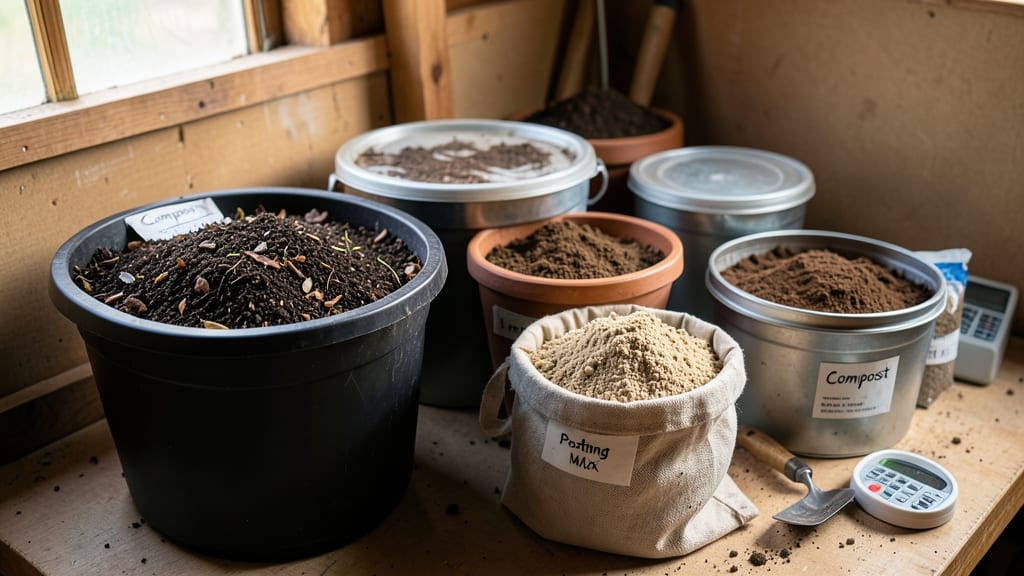
Using the right soil storage containers keeps your plants thriving even when you're not actively gardening. ✨ I learned the hard way that damp, improperly stored soil becomes a breeding ground for mold and pests—until I found the right containers to preserve its moisture and nutrients for months.
The key is balancing airflow and sealing just enough to prevent drying out or compaction.
You'll want containers with drainage holes (like plastic bins or heavy-duty buckets) but also breathable lids to prevent rot. I use 5-gallon buckets for bulk storage and smaller 1-gallon containers for potting mixes—both keep the soil light and workable.
The right setup means you can store soil through winter and still have it ready for spring planting without losing quality.
Properly stored soil stays moist but not soggy, preventing root rot and maintaining microbial activity. When spring arrives, you'll pull out soil that's ready to use—no need to re-amend or worry about pests.
This method works for everything from seed-starting mixes to finished garden soil, cutting waste and saving you money.
Common mistakes include overpacking soil (which kills airflow) or storing it in airtight containers (which traps moisture and heat). Avoid these, and you'll have a reliable soil supply for year-round gardening—whether you're overwintering plants or prepping for next season's beds.
Root Problems In Storage Containers
Storing soil in containers—whether for seasonal gardening or long-term preservation—can sometimes lead to unexpected issues like compaction, mold, or nutrient loss. Understanding why these problems occur is the first step to preventing them. Below, we break down the key factors that disrupt soil health in storage.
Soil stored in containers is vulnerable to temperature swings, especially if left in unconditioned spaces like basements, garages, or sheds. When temperatures drop, moisture in the soil condenses into droplets, creating a damp environment that:
- Promotes fungal growth: Fungi like Rhizoctonia or Pythium thrive in consistently moist conditions, breaking down organic matter and suffocating roots.
- Encourages bacterial overgrowth: Anaerobic bacteria (those that don’t need oxygen) multiply in waterlogged soil, producing foul odors and toxic byproducts like hydrogen sulfide.
- Leads to nutrient leaching: Excess moisture washes away soluble nutrients (e.g., nitrogen, potassium) through the container walls or drainage holes, leaving soil depleted.
Actionable fix: Store containers in a cool (50–60°F), dry space with ventilation—even a small fan can prevent condensation. Use breathable fabric bins or containers with drainage holes to allow airflow.
Some gardeners mistakenly seal soil containers tightly to "preserve moisture," but this backfires by creating an oxygen-poor environment. Here’s why it’s harmful:
- Root asphyxiation: Roots respire (breathe) oxygen, and without it, they suffocate, turning brown and mushy—a condition called anoxic stress.
- Bad odors & pests: Lack of oxygen encourages denitrifying bacteria, which release ammonia and attract pests like fungus gnats or mites.
- Slowed microbial activity: Beneficial microbes (e.g., mycorrhizal fungi) die off, reducing soil fertility when you later replant.
Actionable fix: Use containers with mesh sides or leave lids slightly ajar. For plastic bins, poke small holes in the lid or store them with a burlap sack inside to absorb excess moisture while allowing airflow.
Fresh soil is packed with organic matter (compost, peat, leaves), but over time, microbes decompose these materials—sometimes too aggressively. Here’s what goes wrong:
| Cause | Effect on Soil | Signs to Watch For |
|---|---|---|
| High microbial activity | Rapid decomposition → heat buildup (can exceed 100°F in sealed containers) | Warm-to-touch soil, musty smell, visible mold |
| Lack of carbon sources | Microbes starve, shifting to root matter for energy (they’ll eat your future plants’ roots!) | Soil feels "hungry" (lacks crumbly texture), roots rot when replanted |
| Nutrient mineralization | Nitrogen and phosphorus convert to forms plants can’t use (e.g., nitrate leaching) | Yellowing leaves, stunted growth after replanting |
Actionable fix:
- Add carbon-rich amendments (e.g., shredded newspaper, coconut coir) to balance decomposition.
- Store soil in layers: Mix fresh compost with mature soil (e.g., 20% new, 80% old) to slow breakdown.
- Use slow-release fertilizers (like worm castings) before storage to lock in nutrients.
Containers can become breeding grounds for hidden threats that lie dormant until replanting season. Common culprits include:
- Fungal spores: Pathogens like Phytophthora survive in moist soil, causing root rot when conditions are right.
- Weed seeds: Even a few seeds in stored soil can sprout into invasive weeds (e.g., crabgrass, nutsedge) when you least expect it.
- Insect eggs/larvae: Fungus gnat larvae or cutworms may hatch when soil warms up, damaging new seedlings.
Actionable fix:
- Solarize soil before storage: Cover containers with clear plastic for 4–6 weeks in summer sun to kill pathogens.
- Freeze soil for 48 hours at 0°F to eliminate pests (works best for small batches).
- Add diatomaceous earth (food-grade) to the top layer to deter insects.
Pro Tip: 💡 Label your containers with the storage date and amendments used (e.g., "2024 Mix: 50% compost, 30% peat, 20% perlite"). This helps you track nutrient depletion and adjust before replanting!
Fixing Common Soil Storage Issues
Soil storage containers are a gardener’s secret weapon for maintaining healthy, nutrient-rich soil year-round—but they’re not foolproof. If your stored soil is drying out too fast, developing mold, or losing its structure, don’t panic.
Here’s how to diagnose and fix the most common problems, along with prevention tips to keep your soil in peak condition.
Cause: Poor moisture retention, inadequate sealing, or low humidity in storage.
How to Fix It:
- 💧 Add Moisture-Retaining Additives: Mix in hydrogel crystals or coco coir (5-10% by volume) to lock in moisture. These absorb excess water and release it slowly when the soil dries.
- 📦 Use Airtight or Heavy-Duty Containers: Swap flimsy bins for BPA-free food-grade buckets with gasket seals or heavy-duty plastic totes with locking lids. Avoid mesh or perforated containers—they let moisture escape.
- 🌡️ Adjust Storage Conditions: Keep containers in a cool, dark basement or garage (ideal temp: 40–50°F). If storing in a shed, add a dehumidifier-safe moisture tray (like a shallow dish with damp pebbles) nearby.
Prevention Tips: ✅ Pre-moisten soil before storage—aim for 40-50% moisture (squeeze a handful; it should feel damp but not soggy). ✅ Label containers with the date and moisture level to track changes. ✅ Rotate stock—use the oldest soil first to avoid over-drying.
Cause: Excess moisture, poor ventilation, or organic matter breaking down too quickly.
How to Fix It:
- 🧼 Sterilize the Soil: If mold is already present, sift the soil to remove contaminated clumps, then bake it at 180°F for 30 minutes (or microwave in 30-second bursts, stirring between each). Add 1 tbsp food-grade hydrogen peroxide per gallon to kill spores.
- 🌬️ Improve Airflow: Poke small holes in the container lid (if sealed) or use breathable fabric bins lined with plastic. Avoid completely airtight storage for long-term holds.
- 🌿 Adjust pH & Add Fungicides: Sprinkle 1 tbsp apple cider vinegar per gallon to lower pH slightly (mold thrives in alkaline soil). For prevention, mix in 1 tsp neem cake or copper fungicide before storage.
Prevention Tips: ✅ Dry soil thoroughly before storing—aim for <20% moisture (stick a moisture meter in if you’re unsure). ✅ Store in single layers (not stacked) to prevent condensation buildup. ✅ Avoid storing fresh compost—let it age for 3+ months first to reduce volatile organic matter.
Cause: Organic matter attracting pests, gaps in containers, or outdoor storage.
How to Fix It:
- 🪰 Trap & Remove Pests: Set diatomaceous earth (DE) or boric acid traps inside the container for 24 hours, then sift out debris. For rodents, place peppermint oil-soaked cotton balls in corners.
- 🛡️ Seal Gaps: Check for cracks in containers and seal with silicone caulk or duct tape. Use metal mesh liners inside plastic bins for extra protection.
- 🔥 Freeze or Heat-Treat Soil: For severe infestations, freeze soil for 48 hours or bake at 200°F for 1 hour to kill eggs and larvae.
Prevention Tips: ✅ Store soil in elevated containers (off floors/walls) to deter crawling pests. ✅ Add predator deterrents like crushed bay leaves or cedar chips to the soil mix. ✅ Inspect new soil before adding to storage—quarantine for 1 week if unsure.
Cause: Long-term pressure, improper storage density, or drying cycles.
How to Fix It:
- 🔄 Fluff & Aerate: Break up clumps with a garden fork or hands, then sift through a ¼-inch mesh screen to restore loose texture. Add perlite or vermiculite (10%) to improve drainage.
- 📦 Store in Shallow Layers: Fill containers no more than 12 inches deep to prevent compaction from weight. Use multiple shallow bins instead of one deep container.
- 💡 Rotate Storage Positions: If stacking is unavoidable, rotate containers monthly so no single spot bears constant pressure.
Prevention Tips: ✅ Add bulking agents (like chopped leaves or straw) before storage to maintain air pockets. ✅ Avoid storing wet soil—compaction worsens when moisture is present. ✅ Use breathable bags (like burlap sacks) for short-term storage if compaction is a recurring issue.
Cause: Uncontrolled storage environments leading to extreme temps.
How to Fix It:
- 🧊 Insulate Containers: Wrap bins in bubble wrap or thick towels during winter to prevent freezing. In summer, place containers in a shaded, ventilated area or use reflective aluminum foil on the outside.
- 🔥 Use Thermal Bags: For extreme climates, store soil in insulated grow bags or cooler boxes with ice packs (in summer) or heat pads (in winter).
- ❄️ Thaw Safely: If soil freezes, move containers to room temp gradually (over 24 hours) to avoid shocking roots. Add a handful of sand to improve drainage if ice crystals form.
Prevention Tips: ✅ Monitor with a thermometer—ideal storage temp is 40–70°F. ✅ Avoid basements prone to flooding—moisture + cold = mold risks. ✅ Use temperature-controlled storage (like a root cellar or climate-controlled shed) for long-term holds.
🔹 Test Soil Before Storage: Use a moisture meter or pH test kit to ensure balance before sealing. 🔹 Label Like a Pro: Include date, soil type, and amendments (e.g., "Potting Mix + Worm Castings – Added 5/2024"). 🔹 Replenish Nutrients Annually: Before use, top-dress with compost or slow-release fertilizer to restore lost nutrients. 🔹 Store Tools Separately: Keep shovels, gloves, and watering cans outside containers to avoid cross-contamination.
By tackling these issues head-on, your soil storage containers will stay fresh, pest-free, and ready to power your plants all year. Happy growing! 🌱💚
Frequently asked questions about soil storage
What’s the best container material for storing garden soil?
Plastic containers with locking lids (like 5-gallon buckets) or breathable fabric bins work best. Plastic prevents moisture loss, while fabric allows airflow to reduce mold risk. Avoid metal—it can rust and contaminate your soil. For long-term storage, opt for BPA-free food-grade buckets with gasket seals to maintain moisture without trapping heat.
How long can I store soil before it loses nutrients?
Properly stored soil stays viable for 6–12 months, but nutrients degrade over time. To extend shelf life, mix in slow-release fertilizers (like worm castings) before storage and keep containers in a cool, dark space (40–50°F). For best results, use stored soil within 6 months and replenish nutrients before replanting.
Can I store potting mix and garden soil together?
No—keep them separate! Potting mixes contain perlite or vermiculite for drainage, while garden soil is denser. Mixing them alters texture and nutrient balance. Use labeled containers or color-code lids to avoid confusion. For example, store potting mix in white buckets and garden soil in black bins.
Why does my stored soil smell musty or rotten?
Musty odors signal excess moisture or anaerobic bacteria (lack of oxygen). To fix it, sift the soil to improve airflow, then add 1 tbsp hydrogen peroxide per gallon to kill odor-causing microbes. For prevention, store soil in shallow layers (≤12 inches deep) and use containers with ventilation holes. Avoid sealing tightly—leave lids slightly ajar.
How do I prevent pests (like fungus gnats) in stored soil?
Pests thrive in damp, organic-rich soil. To deter them, add diatomaceous earth (food-grade) to the top layer before sealing. Store containers in elevated racks (off floors/walls) and avoid overwatering. For severe infestations, freeze soil for 48 hours or bake at 200°F for 1 hour to kill eggs and larvae.