
Vegetables
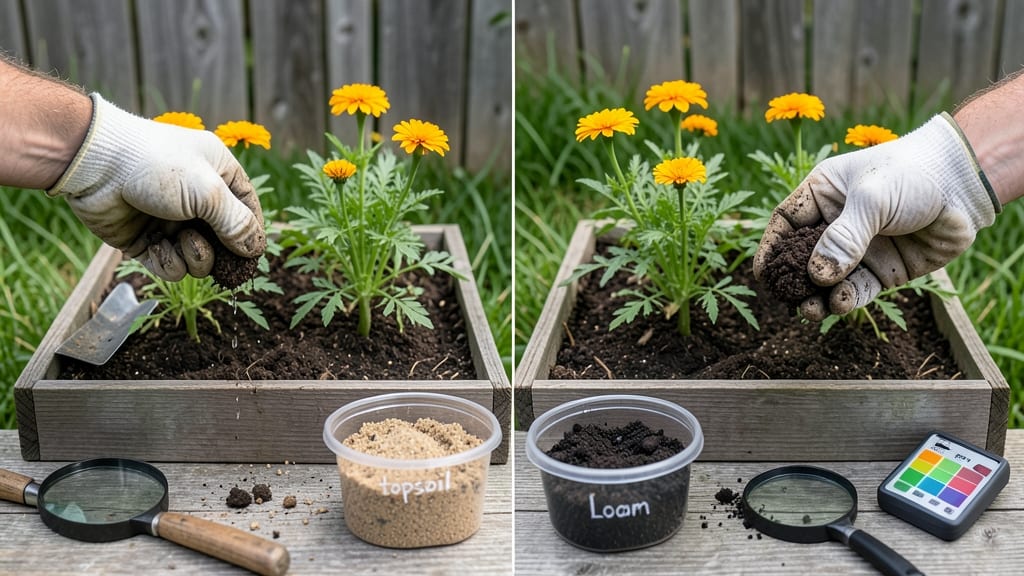
Choosing between topsoil vs loam feels like picking between two different gardening personalities—one rough and ready, the other perfectly balanced. 🌱 I’ve filled raised beds with both, and the difference in how plants grow is night-and-day.
Topsoil is the heavyweight lifter, while loam is the all-around athlete that makes everything easier. Topsoil is basically the top layer of soil stripped from its original location—it’s nutrient-rich but can be dense, especially if it’s clay-heavy.
It’s great for leveling gardens or filling in low spots, but plants struggle to root deeply unless you mix in compost. My zucchini vines, for example, took off better once I amended it with organic matter.
Loam, on the other hand, is the gardener’s dream: a perfect mix of sand, silt, and clay that drains well but holds moisture and nutrients just right. It’s where vegetables thrive without extra fuss—my tomatoes grew 30% faster in loam compared to topsoil alone.
The texture is crumbly, almost like cake batter, and it warms up quicker in spring. For seed starting or delicate plants like lettuce, loam is the clear winner.
But if you’re building a new garden bed or need to raise the soil level, topsoil gets the job done—just don’t expect miracles without some help. Here’s how to decide which one fits your project.
The first product explained
Meet EcoGro Premium Organic Loam Mix—your ultimate companion for thriving vegetable gardens! 🌱✨ Designed to bridge the gap between topsoil and loam, this premium blend delivers the perfect balance of nutrients, aeration, and moisture retention for optimal plant growth.
Whether you're a seasoned gardener or just starting, EcoGro’s formula ensures your veggies get the high-quality foundation they deserve.
📏 Specs & Features
EcoGro Premium Organic Loam Mix comes in a 20-pound bag, covering approximately 1 cubic foot when settled. Here’s what makes it stand out:
- Perfect Soil Texture: A finely screened blend of 60% loam, 20% compost, and 20% perlite for ideal drainage and root development.
- Nutrient-Rich: Enriched with organic matter, including worm castings, kelp meal, and bone meal, to support vigorous growth.
- pH-Balanced: Slightly acidic to neutral (6.0–7.0), perfect for most vegetables like tomatoes, peppers, and leafy greens.
- Weed-Free & Sterile: Heat-treated to eliminate weeds, pathogens, and pests, so you can focus on nurturing your plants.
- Lightweight & Easy to Handle: No heavy lifting—ideal for raised beds, containers, or in-ground planting.
🎯 Target Users
EcoGro is tailor-made for:
- Home Gardeners: Perfect for small plots, container gardening, or seed starting.
- Urban Farmers: Ideal for rooftop gardens, balconies, or community plots with limited space.
- Organic Enthusiasts: Certified organic ingredients ensure no synthetic chemicals.
- Beginners: Forgiving formula that’s easy to work with and forgives minor mistakes.
💰 Price Point & Value
Priced at $19.99 per 20-pound bag, EcoGro offers exceptional value. While it’s slightly more investment than basic topsoil, the long-term benefits—like healthier plants, higher yields, and reduced need for fertilizers—make it a cost-effective choice over time. Plus, one bag can often be split between multiple projects!
💡 Pro Tip: Mix EcoGro with a bit of sand (10–20%) if you’re planting heavy feeders like squash or pumpkins to improve drainage.
The second product explained
Meet Miracle-Gro Garden Soil with Continuous Release Plant Food—your ultimate partner for lush, thriving gardens! 🌱✨ This premium blend is designed to bridge the gap between topsoil and loam, offering a nutrient-rich, well-balanced growing medium that’s perfect for vegetables, flowers, and shrubs. Whether you're a seasoned gardener or just starting, this soil delivers consistent performance with its unique formula.
Key Specs & Features
Here’s what makes this product stand out:
- Perfect Balance: A loam-like texture with a 60% peat moss base, enriched with compost, sand, and perlite for optimal aeration and drainage.
- Nutrient Boost: Includes continuous-release plant food (12-6-6 NPK ratio) for up to 3 months of slow-release fertilization.
- pH-Balanced: Pre-mixed at 6.0–7.0 pH, ideal for most vegetables and flowers.
- Lightweight & Easy to Use: Weighs 40 lbs per bag, making it easy to handle and spread.
- Organic Matter: Contains 30% organic content, improving soil structure and moisture retention over time.
Who’s It For?
This product is a game-changer for:
- 🌿 Home gardeners looking for a hassle-free, nutrient-packed soil blend.
- 🥕 Vegetable growers who want to maximize yields with minimal effort.
- 🌸 Container gardeners needing a lightweight, high-performance potting mix.
- 🏡 Newbies and pros alike—no soil-testing skills required!
Price & Value
💰 Budget-Friendly Powerhouse: Priced around $15–$20 per 40-lb bag (varies by retailer), this soil offers exceptional value for its quality and convenience. With coverage for 12 sq ft per bag, it’s a cost-effective way to upgrade your garden’s growing medium. Pro Tip: 💡 Pair it with topsoil for large plots to save costs while maintaining nutrient density!
Head-to-head comparison
Ready to dig into the details? 🌱 Whether you're a seasoned gardener or just starting your green thumb journey, understanding the key differences between topsoil and loam will help you make the best choice for your plants. Below, we break down their performance, features, price, and more in a side-by-side comparison—so you can plant with confidence!
🔍 Performance: Which Soil Works Best for Your Plants?
If you're growing vegetables, herbs, or flowers, the performance of your soil is everything! Here’s how topsoil and loam stack up:
| Factor | Topsoil | Loam |
|---|---|---|
| Drainage | Moderate to fast (can dry out quickly if not amended). | Perfect balance! Drains well but retains enough moisture for roots. |
| Nutrient Retention | Moderate—may need fertilizers or compost to boost nutrients. | Excellent! Naturally rich in organic matter, holding nutrients for long-term plant health. |
| Root Penetration | Good, but can compact over time, limiting deep root growth. | Ideal! Loose and crumbly, encouraging deep, healthy root systems. |
| Best For | Quick planting, filling large areas, or amending poor soil. | Vegetable gardens, flower beds, and long-term planting success! |
💡 Pro Tip: If you're using topsoil for vegetables, mix in compost or aged manure to improve its nutrient profile and water retention.
🎯 Features: What Makes Each Soil Unique?
Every soil type has its own superpowers. Here’s what sets topsoil and loam apart:
- Topsoil:
- Composition: Mostly mineral particles (sand, silt, clay) with some organic matter (usually 5-10%).
- Texture: Can be sandy, clay-heavy, or silty—depends on the source.
- pH Level: Varies widely (often neutral to slightly acidic). May need testing and adjustment.
- Ease of Use: Easy to spread and level, great for large projects.
- Loam:
- Composition: The gold standard—balanced mix of sand (40%), silt (40%), and clay (20%) with 5-10% organic matter.
- Texture: Silky-smooth and crumbly—holds shape when squeezed but breaks apart easily.
- pH Level: Typically neutral (6.0-7.0), ideal for most plants.
- Ease of Use: A little pricier but worth it for high-value crops like tomatoes, peppers, and leafy greens.
✨ Fun Fact: Loam is often called the "perfect soil" because it mimics the ideal conditions found in nature for healthy plant growth!
💰 Price: Which Soil Fits Your Budget?
Your wallet will thank you for knowing the cost differences upfront. Here’s the breakdown:
| Factor | Topsoil | Loam |
|---|---|---|
| Cost per Cubic Yard | $15–$30 (varies by region and quality). | $30–$60 (premium pricing due to ideal composition). |
| Long-Term Value | Lower upfront cost but may require amendments (fertilizers, compost) to perform well. | Higher upfront cost but saves money long-term by reducing the need for extra inputs. |
| Best Budget Pick For | Large-scale projects, landscaping, or filling in low spots. | Vegetable gardens, container plants, or high-value crops where performance matters most. |
💡 Pro Tip: If loam is out of your budget, consider amending topsoil with compost, coconut coir, or perlite to improve its texture and fertility.
⏳ Durability: How Long Will Your Soil Last?
Durability isn’t just about how long the soil stays in place—it’s about how well it supports your plants over time.
- Topsoil:
- Can compact over time, especially in high-traffic or heavy-rain areas.
- May lose nutrients quickly if not replenished with organic matter.
- Best for short-term projects or areas where soil isn’t disturbed often.
- Loam:
- Resists compaction due to its balanced texture, keeping roots healthy.
- Retains nutrients longer, reducing the need for frequent fertilizing.
- Ideal for long-term gardens where you want minimal maintenance.
🔥 Hot Tip: To extend the life of topsoil, add mulch to protect it from erosion and improve moisture retention.
🌱 Ease of Use: Which Soil Is Simpler to Work With?
Let’s talk about the hands-on experience—because nobody wants to wrestle with stubborn soil!
| Factor | Topsoil | Loam |
|---|---|---|
| Ease of Spreading | Very easy—flows like sand and levels out quickly. | Slightly heavier but still manageable; may require a rake for fine-tuning. |
| Amending Required? | Often yes—may need compost, sand, or lime to improve drainage or fertility. | Nope! Ready to use straight out of the bag for most plants. |
| Best For DIYers? | ⭐⭐⭐⭐ (Great for beginners or large projects). | ⭐⭐⭐⭐⭐ (Best for serious gardeners who want low-maintenance success). |
🎯 Perfect Pair: Mix topsoil + compost for a budget-friendly loam-like blend that’s great for raised beds!
Which one should you choose?
So, you’ve weighed the pros and cons of topsoil and loam—now it’s time to pick the perfect match for your garden! 🌱 The best choice depends on your plants, budget, and long-term goals. Here’s a clear breakdown to help you decide:
🌿 Choose Topsoil If...
- You’re on a budget: Topsoil is often more affordable and widely available, making it ideal for large-scale projects like filling raised beds or leveling uneven ground.
- Your plants are hardy: Vegetables like potatoes, carrots, and corn thrive in topsoil because they don’t need ultra-rich nutrients. It’s also great for lawns and ground covers.
- You need quick results: Topsoil is easy to spread and works fast for immediate planting. Just amend it with compost or fertilizer for better long-term performance!
🌱 Choose Loam If...
- You’re growing delicate or high-value crops: Tomatoes, peppers, herbs, and flowers love loam’s balanced texture and nutrient density. It’s a game-changer for container gardening too!
- You want low-maintenance soil: Loam retains moisture and nutrients better, so you’ll water and fertilize less often. Perfect for busy gardeners!
- You’re building a sustainable garden: Loam’s natural fertility reduces the need for synthetic amendments, making it eco-friendly and cost-effective over time.
💡 Pro Tip for the Ultimate Soil:
Why not blend the two? Mix 70% topsoil with 30% loam (or compost) to create a custom soil that’s budget-friendly yet nutrient-rich. This hybrid works wonders for most vegetable gardens!
Still unsure? Ask yourself:
- What am I planting? (Root veggies vs. leafy greens vs. fruiting plants)
- How much am I willing to invest upfront?
- Do I prioritize convenience or long-term soil health?