
Landscaping
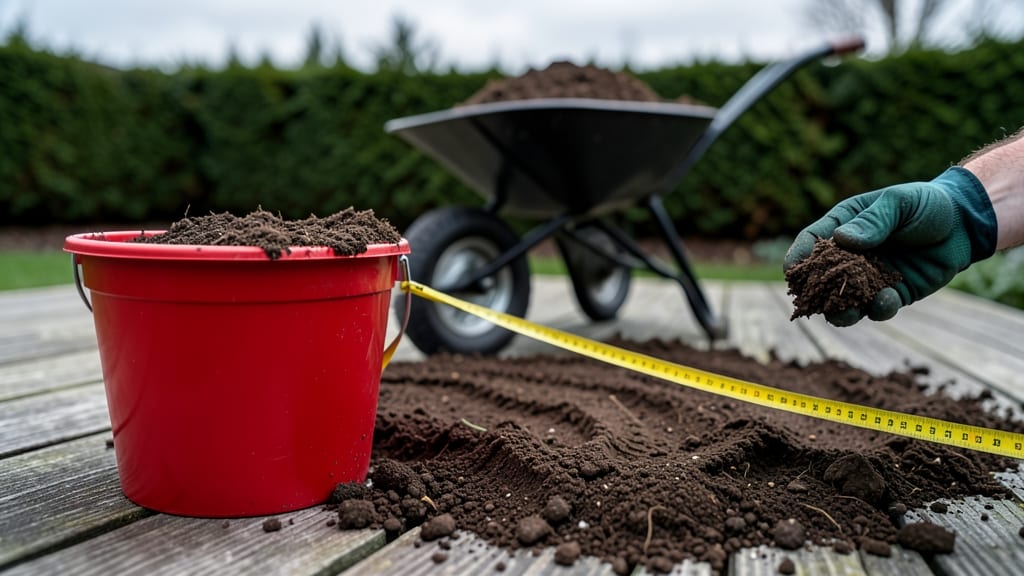
One yard of soil coverage transforms a patch of dirt into a thriving garden bed—if you calculate it right. 🌱 I’ve filled raised beds, sloped landscapes, and even vegetable plots using this exact method, and the difference between guessing and measuring is night and day. The secret isn’t just buying a yard; it’s knowing how deep to lay it and where to spread it for maximum impact.
Most gardeners assume 3 inches of soil covers a yard, but that’s only true for flat, level beds. Sloped areas need 4-6 inches to prevent erosion, while raised beds might require 6-12 inches for root depth.
A single yard covers roughly 100 square feet at 3 inches deep, but adjust for your project’s needs—too little and plants struggle; too much and you waste money (and space).
Start by measuring your garden’s length and width, then multiply for square footage. Divide that number by 100 to estimate yards needed—round up for uneven ground.
For example, a 4’x8’ raised bed (32 sq ft) needs about 0.32 yards at 6 inches deep, but a sloped flower bed might double that. The payoff? Plants with room to grow, no wasted soil, and a garden that looks (and performs) like it was designed by a pro.
Pro tip: Rent a soil calculator app or use free online tools to double-check. And if you’re mixing soil types (like compost or mulch), account for their bulk—sometimes less is more. Once you’ve got the math down, the rest is just shoveling (or wheelbarrowing) toward a garden that actually thrives.
📚 In This Guide
- What you need
- Instructions
- Tips and common mistakes
- Wrapping up and next steps
What you need
- ● Topsoil: 1 yard (27 cubic feet) – the base for nutrients and drainage.
- ● Compost: 0.5–1 yard (for every 2–3 yards of topsoil) – boosts fertility and moisture retention.
- ○ Sand (optional): 1–2 bags (for sandy soil) – improves drainage in clay-heavy areas.
- ○ Peat Moss or Coconut Coir (optional): 1–2 bags – enhances moisture retention in dry climates.
- ○ Perlite or Vermiculite (optional): 1–2 bags – lightens heavy soil for better aeration.
- ● Organic Matter (leaf mold, manure, or worm castings): 1–2 bags – adds long-term nutrients.
- ● Wheelbarrow or garden cart: For hauling soil and amendments.
- ● Shovel (round-point or spade): For mixing and spreading.
- ● Rake (bow or leaf rake): To level and smooth the soil.
- ● Garden gloves: Protect your hands from rough materials.
- ● Measuring tape or string line: Ensures even coverage.
- ○ Soil pH tester (optional): Adjust amendments based on test results.
- ● Clear the garden bed of weeds, rocks, and debris.
- ● Measure your bed’s dimensions to confirm 1 yard (27 cubic feet) of coverage.
- ● Check local regulations—some areas restrict certain soil amendments.
- ● Water the bed lightly before adding soil to reduce settling.
How to apply 1 yard of soil coverage for perfect garden beds
Here's the straightforward method I use to spread soil evenly—no wasted bags or uneven layers.
🌱 Step 1: Calculate and Prepare Your Work Area
First, determine the exact dimensions of your garden bed. A 1-yard (27 cubic feet) coverage works for beds about 10 feet long × 1 foot wide × 3 inches deep. Measure twice to avoid surprises—nothing ruins a project like guessing wrong.
Clear all debris, rocks, and weeds from the area. I like to lay down a landscape fabric first if I'm covering grass or weeds—it prevents them from poking through later. Mark the bed edges with stakes and string for a clean, straight border.
🪴 Step 2: Spread the Soil in Two Layers
Start by spreading about half the soil (13.5 cubic feet) evenly across the bed. Use a garden rake to level it—aim for a smooth, even layer about 1.5 inches deep. Don't pack it down yet; you want it loose so roots can penetrate easily.
Walk over the bed to check for low spots. If you see dips, add a bit more soil and rake again. The goal is a flat, consistent surface. I like to use a 2x4 board as a straightedge to scrape off excess—it gives a professional finish.
💧 Step 3: Moisten and Settle the Soil
Lightly water the first layer until the soil feels damp but not soggy. This helps it settle naturally. Let it sit for 10-15 minutes, then spread the remaining 13.5 cubic feet of soil. Rake this second layer to match the depth of the first, creating a 3-inch total coverage.
After spreading, use a hand tamper or the back of a shovel to gently firm the soil. You're not compacting it like clay—just enough to eliminate air pockets. Stop when the surface feels firm to the touch but still crumbly. This prevents future sinking.
☀️ Step 4: Test and Adjust for Planting
Stick a trowel or small shovel into the soil to check depth. It should go in easily without hitting rocks or hardpan. If you hit resistance, add a thin top layer of compost or fine mulch to improve texture.
For planting, make holes just deep enough to accommodate roots. I press the soil around each plant gently to remove air gaps—this ensures roots make contact with moisture right away. Water deeply after planting to help the soil settle around the roots.
⏰ Step 5: Maintain and Monitor the Beds
Over the next 2-3 weeks, keep the soil consistently moist but not waterlogged. You'll notice it settle by about 10-15%, so monitor depth if planting later. Mulch the surface with 1-2 inches of organic mulch to retain moisture and prevent erosion.
If you see cracks forming after watering, add a thin top-dressing of compost to improve structure. This keeps the bed fertile and prevents future settling issues. With proper care, your 1-yard coverage will last through multiple planting seasons.
Tips & tricks for perfect garden bed soil application
Here's what I've learned after spreading soil for dozens of beds—these tricks save time and ensure professional results every time.
Precision Measuring: Before buying soil, calculate your exact cubic feet needs using the formula: length × width × depth. For a 10-foot bed, 1 yard (27 cubic feet) covers 10'L × 1'W × 3"D. I always add 10% extra (30 cubic feet) to account for settling and uneven areas—trust me, you don't want to run out halfway.
Layering Technique: The two-layer method in Step 2 prevents compaction issues. When spreading that first 13.5 cubic feet, imagine you're frosting a cake—smooth, even strokes with the rake create consistency. After the 10-15 minute settling period, the second layer should mirror the first perfectly. Use a level or 2x4 board to check for true flatness before proceeding.
Soil Texture Check: After firming the soil in Step 3, press your thumb into it. It should hold its shape but still crumble easily—like damp sand at the beach. If it sticks to your thumb, you've overwatered; if it crumbles to dust, add a light mist of water and tamp again. This texture ensures proper root penetration while preventing erosion.
Equipment Substitutes: No hand tamper? Use the back of a shovel or even a sturdy board. No landscape fabric? Lay down cardboard first to smother weeds. I've even used old carpet scraps in a pinch—just make sure whatever you use is weed-free and will decompose over time. The key is preventing weeds from poking through while maintaining breathability.
Pro Tips for 1 Yard Of Soil Coverage
- Here's what I've learned after spreading soil for dozens of beds—these tricks save time and ensure professional results every time.
- Precision Measuring: Before buying soil, calculate your exact cubic feet needs using the formula: length × width × depth.
- Layering Technique: The two-layer method in Step 2 prevents compaction issues.
Frequently asked questions
Got questions about getting the perfect 1 yard of soil coverage for your garden beds? You’re not alone! Here are some common queries—and expert answers—to help you plan like a pro.
How much area does 1 yard of soil actually cover?
This depends on depth! For a 1-inch layer, 1 yard covers about 324 sq. ft. Need a deeper bed? Divide 27 (cubic feet in a yard) by your desired depth (e.g., 3" = ~91 sq. ft.). Pro tip: Use a soil calculator for exact measurements!
Can I mix my own soil for 1 yard of coverage?
A classic blend for garden beds is 60% topsoil, 30% compost, and 10% perlite/sand. For containers, swap perlite for coco coir to retain moisture. Warning: Avoid heavy clay—it compacts easily. Test drainage first!
When’s the best time to spread 1 yard of soil?
Timing matters! Spread soil in early spring or fall when temps are mild (50–75°F). Avoid winter (freezing) or summer (drought stress). Bonus: Prep beds 2–4 weeks ahead by removing weeds and amending old soil.
Is 1 yard of soil cheaper than buying bags?
Yes—usually! Bulk soil costs $15–$40/yard vs. $3–$5/bag (but bags add up fast). For a 10’x10’ bed at 6" depth, you’d need 20+ bags. Bulk saves money and reduces waste. Tip: Split costs with neighbors!
What if my soil clumps or doesn’t spread evenly?
Fluffiness = happy plants! Loosen clumps with a rake or pitchfork, then water lightly to settle. For stubborn patches, add 1 part sand per 3 parts soil. Troubleshoot: If soil repels water, it’s too clay-heavy—amend with compost.
Can I reuse old garden soil for 1 yard of coverage?
Sometimes! Sift out debris, then mix 50% old soil + 50% fresh compost/topsoil. Avoid reuse if soil has diseases, pests, or poor drainage. Test it: Grab a handful—if it crumbles easily, it’s reusable!
Wrapping up and next steps
Mastering 1 yard of soil coverage is your ticket to lush, healthy garden beds that thrive year-round! By carefully balancing organic matter, nutrients, and drainage, you’re not just planting—you’re creating a foundation for success.
Whether you’re a seasoned gardener or just starting, this precision mix ensures your plants get the love they deserve.
Ready to take the next step? Grab your tools, measure your space, and start mixing—your garden’s transformation begins now! 🌱✨