
Landscaping
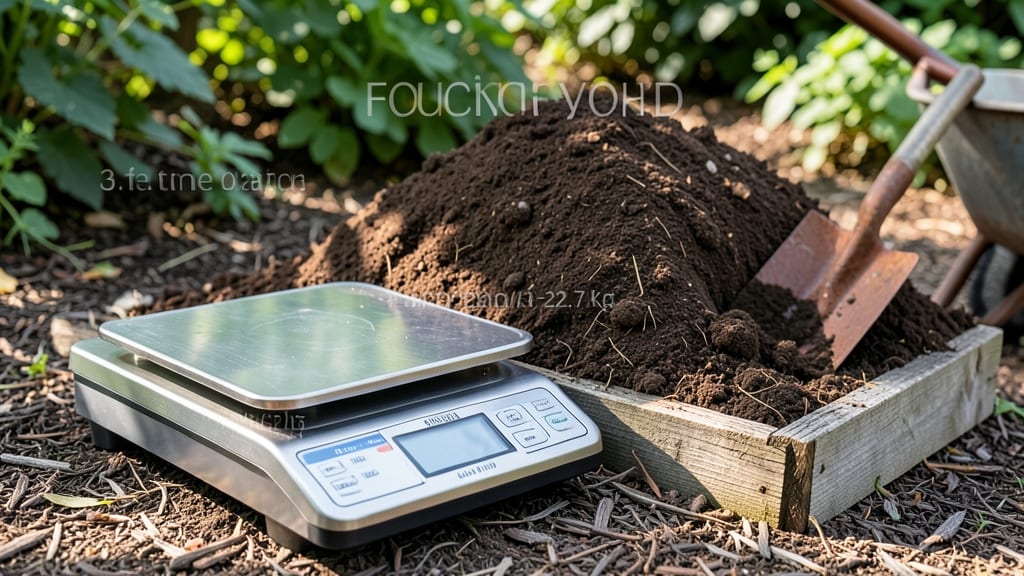
One yard of topsoil typically weighs between 1,500 to 2,200 pounds, with variations depending on moisture levels, organic content, and soil composition. Dry, sandy soil sits at the lighter end, while clay-heavy or damp soil can exceed 2,000 pounds.
Understanding topsoil weight matters because it directly impacts your project's logistics and costs. 🔥 For example, a standard pickup truck can haul about 2 cubic yards of dry topsoil, but that's roughly 3,000 to 4,400 pounds—heavy enough to strain most vehicles.
I always recommend checking with your supplier for exact density measurements, especially if you're planning a large garden bed or slope stabilization. The difference between 1,500 and 2,200 pounds per yard can mean the difference between one delivery and two!
Moisture plays the biggest role in weight fluctuations. A single inch of rainfall can add 200-300 pounds per cubic yard to your soil's total weight, while compaction from machinery or foot traffic can increase density by 10-15%.
This is why professional landscapers often specify "loose and level" deliveries—they're accounting for these real-world variables before your project even begins.
💡 In This Article
- Factors Affecting Topsoil Weight per Cubic Yard
- How to Calculate Topsoil Weight for Landscaping Projects
Factors affecting topsoil weight per cubic yard
Moisture content is the single biggest factor influencing topsoil weight. A cubic yard of completely dry topsoil might weigh around 1,500 pounds, but when saturated with water—like after a heavy rain—it can swell to 2,200 pounds or more.
This happens because water fills the tiny air pockets between soil particles, effectively doubling the mass without changing the volume. For example, clay soils hold water like a sponge, while sandy soils drain faster and stay lighter. 💫
The organic matter percentage dramatically alters density too. Topsoil with 5-10% organic material (like decomposed leaves or compost) weighs noticeably less than mineral-heavy soil because organic particles are lighter but bulkier.
Meanwhile, clay particles—each smaller than a grain of sand—pack tightly together, creating soil that can weigh up to 2,500 pounds per cubic yard when wet. Sandy soils, with their larger particles and more air space, typically stay under 1,800 pounds even when damp.
Compaction plays a sneaky role too. Foot traffic or heavy machinery can compress soil by 10-20%**, reducing its volume while increasing density. Imagine stomping on a garden bed—what was once loose and airy becomes harder and heavier.
This is why construction sites often specify "bulk density" measurements: they account for how much the soil will settle after being moved or worked. A 10% compaction increase can add 200 pounds to your cubic yard's weight overnight! 🔥
Regional soil composition adds another layer of complexity. In the Midwest, where glacial till dominates, you'll often find heavier, clay-rich topsoil. Coastal areas, however, typically have lighter, sandy soils mixed with organic matter from decomposed sea life.
Even within a single region, elevation matters: mountain soils tend to be rockier and heavier, while floodplain soils are often lighter due to higher organic content from river deposits.
Temperature also affects weight indirectly. Cold soils hold moisture differently than warm soils, altering their density. In winter, frozen topsoil can appear lighter because ice crystals create additional air pockets, but once thawed, that same cubic yard might suddenly feel 300 pounds heavier as water redistributes.
This seasonal shift is why landscapers always specify "spring delivery" for projects—soil weights are most predictable when temperatures are stable. ✨
Finally, consider how these factors interact in real projects. A 10' x 10' garden bed filled with 6 inches of topsoil (0.5 cubic yards) might weigh between 750-1,100 pounds when dry, but after irrigation or rain, that same bed could suddenly require a wheelbarrow twice as strong.
Understanding these variables helps you plan for proper drainage, structural support, and even vehicle capacity when transporting soil. 💛