
Planting
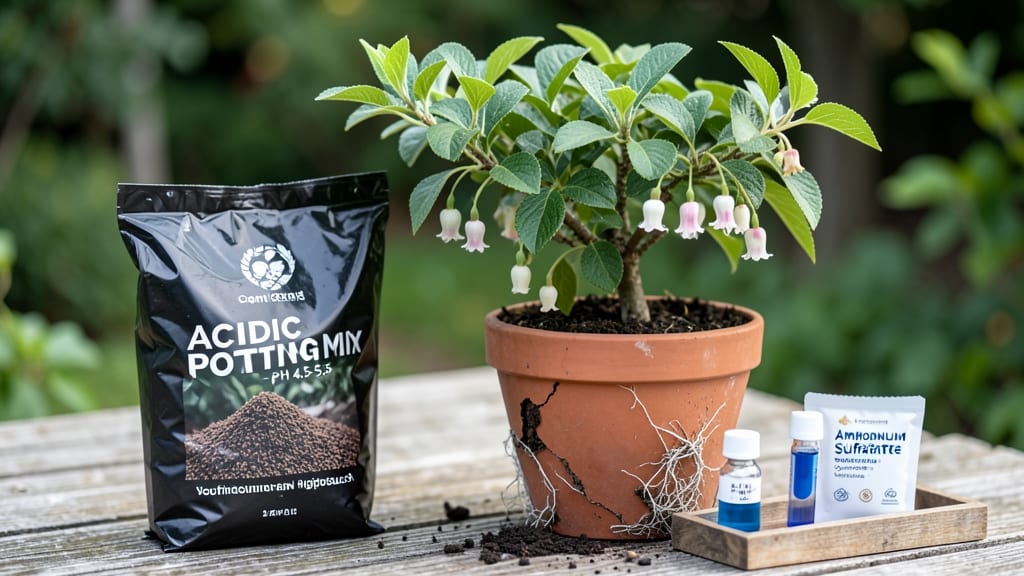
The secret to juicy blueberries in containers isn’t just the plant—it’s the perfectly acidic potting soil for blueberries that makes them thrive. 🌿 I've watched my blueberry bushes go from struggling to producing buckets of fruit just by getting the pH right and ensuring drainage that keeps roots happy, not soggy.
The right blend transforms a simple pot into a blueberry powerhouse.
Blueberries demand soil between pH 4.5 and 5.5—that's lemony, not garden-center neutral. Most store-bought potting mixes are too alkaline, which locks out the iron and manganese these plants desperately need. The fix?
Start with 50% peat moss or coconut coir (for that acidity) and 30% perlite or coarse sand (for drainage), then mix in 20% composted pine bark. This combo mimics their natural bog habitats.
Once planted, you'll notice the difference within 4-6 weeks: glossy leaves, bushier growth, and buds forming where there were none before. The key is testing your soil every 3-4 months with a simple pH meter—adjust with sulfur if it creeps above 5.5.
Avoid the common mistake of overwatering; blueberries hate wet feet but love consistent moisture.
This method works for all blueberry varieties in pots, from rabbiteye to highbush. Whether you're on a balcony or patio, you can grow enough for pies—or at least enough to share with neighbors who'll be jealous of your foolproof harvest. Let's get those roots happy!
Soil Chemistry Gone Wrong
Blueberries thrive in acidic soil because their roots rely on a specific balance of nutrients—especially aluminum, iron, and manganese—that only become available in low pH conditions (4.5–5.5).
When soil chemistry shifts, these nutrients lock away, stunting growth or preventing fruiting. Here’s why your potting mix might be failing to stay acidic—and how to fix it.
Organic matter in potting soil breaks down into humus, which gradually raises pH. Over months or years, even the most acidic mixes can neutralize due to:
- Microbe activity: Beneficial fungi and bacteria metabolize organic materials, releasing alkaline byproducts (like ammonia) that raise pH.
- Root exudates: As blueberry roots grow, they secrete compounds that can buffer acidity, especially in dense mixes.
- Mineral leaching: Rain or overwatering flushes away hydrogen ions (H+), the primary drivers of acidity.
Actionable fix: Refresh your potting soil every 1–2 years with a 50/50 blend of fresh acidic mix (pH 4.5–5.5) and perlite/pine bark fines to slow decomposition.
Not all "acidic" potting soils are created equal. Common culprits that sabotage acidity include:
| Ingredient | Why It Fails | Solution |
|---|---|---|
| Peat moss (low-quality) | Old or sun-dried peat loses acidity (pH can spike to 6.0+). | Use sphagnum peat (not horticultural peat) and store it sealed. |
| Compost or aged manure | High in alkaline minerals (calcium, potassium) that neutralize acid. | Avoid; replace with pine fines or leaf mold. |
| Limestone or wood ash | Often added to "improve" soil but instantly raises pH. | Check labels—never use these in blueberry mixes. |
| Coconut coir | Naturally slightly alkaline (pH ~5.5–6.5) and buffers acidity over time. | Mix with 50% peat and 10% sulfur to offset. |
Pro tip: 💡 Test your mix with a digital pH meter (not strips) before planting—many pre-mixed "acidic" soils test neutral after a few weeks.
Hard water (high in calcium/magnesium) or tap water treated with chlorine can neutralize soil acidity with every watering. Here’s how:
- Calcium bicarbonate: Dissolves in water, depositing alkaline residues in soil.
- Chlorine: Oxidizes organic matter, accelerating decomposition and pH drift.
- Sodium ions: From soft water or fertilizers, displacing H+ ions and raising pH.
Actionable fix:
- Use rainwater or distilled water for watering.
- If hard water is unavoidable, leach the soil monthly with 2–3 inches of water to flush out minerals.
- Add 1 tsp of aluminum sulfate per gallon of water every 3 months to re-acidify.
Fertilizers designed for other plants (like tomatoes or roses) often contain lime or dolomite, which counteract acidity. Even "acid-loving plant" fertilizers can fail if:
- They’re slow-release and haven’t fully dissolved (e.g., coated urea).
- They’re high in potassium, which can raise pH over time.
- You’re using fish emulsion or seaweed extract, which are slightly alkaline.
Solution: Stick to blueberry-specific fertilizers (like Miracle-Gro Azalea/Camellia) or ammonium sulfate (1 tbsp per gallon of water, monthly). Never use 10-10-10 or 20-20-20 formulas.
Quick Fixes for Soil Problems
If your blueberries aren’t thriving, it’s often because the soil isn’t quite right—too alkaline, poorly draining, or lacking the right nutrients. But don’t worry! With a few targeted fixes, you can transform your potting mix into the perfect acidic haven for your blueberry bushes.
Below, we’ll break down the most common issues and how to solve them—fast and effectively.
Blueberries love acidic soil (pH 4.5–5.5), and if yours is too alkaline, your plants will struggle to absorb iron and other essential nutrients. Here’s how to bring the pH back down:
- 🍳 Test Your Soil First: Use a soil pH test kit (available at garden centers) to confirm the exact pH level. If it’s above 5.5, it’s time to acidify!
- 👨🍳 Add Sulfur or Peat Moss:
- For fast results, sprinkle elemental sulfur (½–1 lb per 100 sq ft) into the soil and water it in. It lowers pH over 2–4 weeks.
- For a longer-term fix, mix in peat moss (1–2 inches) into the top 6 inches of soil. It naturally acidifies as it breaks down.
- 🥘 Use Acidifying Fertilizers: Switch to an acid-loving plant fertilizer (like one labeled for blueberries or azaleas). These contain ammonium sulfate or iron sulfate, which gently lower pH over time.
- ⏰ Repeat as Needed: Re-test soil every few months, especially after rain (which can raise pH). Adjust again if needed.
💡 Pro Tip: Avoid overdoing it—too much sulfur can harm roots. Start with small amounts and monitor changes.
Blueberries hate "wet feet." If your potting soil stays soggy or feels like concrete, roots suffocate and rot. Here’s how to fix it:
- 🔪 Loosen the Soil:
- Gently rake or fork the top 6–8 inches of soil to break up compaction.
- For containers, drill drainage holes if they’re missing (or too small).
- 🥗 Amend with Organic Matter:
- Mix in composted pine bark (great for acidity + drainage).
- Add perlite or coarse sand (1 part per 3 parts soil) to improve aeration.
- 💧 Adjust Watering Habits:
- Water deeply but infrequently—let the top inch of soil dry out between waterings.
- Avoid overhead watering (it can compact soil). Use a soaker hose or drip irrigation instead.
✨ Prevention Tip: If you’re repotting, choose a container with at least one large drainage hole and use a mix designed for acid-loving plants (like a 50/50 blend of peat moss and pine bark).
Even with the right pH, blueberries need specific nutrients to thrive. Yellow leaves or slow growth? It’s time to feed them right:
- 🍎 Iron Deficiency (Chlorosis):
- Sprinkle iron sulfate or chelated iron around the base of the plant and water it in.
- Use an acid-forming fertilizer (like Miracle-Gro Azalea/Camellia) to prevent future issues.
- 💪 General Nutrient Boost:
- Apply a balanced acid fertilizer (e.g., 10-10-10 or 12-4-8) in early spring and mid-summer.
- Add composted leaf mold or worm castings to the soil for slow-release nutrients.
🎯 Pro Tip: Avoid high-nitrogen fertilizers (like lawn fertilizers)—they raise pH and harm blueberries. Stick to acid-specific formulas.
Once your soil is perfect, keep it that way with these easy maintenance habits:
- 🔄 Mulch Regularly: Spread pine needles or wood chips (2–3 inches deep) around the base of the plant. They slowly acidify the soil as they decompose.
- 💧 Monitor Moisture: Stick your finger in the soil—if it’s dry 1 inch down, it’s time to water. If it’s muddy, hold off.
- 🌱 Rotate Containers (If Potted): Every 2–3 years, repot blueberries into fresh acidic mix to prevent nutrient depletion.
- 🍇 Prune for Airflow: Trim back crowded branches to improve circulation and light penetration, reducing disease risk.
🔥 Remember: Blueberries are divas about soil—but once you get it right, they’ll reward you with juicy, sweet berries for years. Start with one fix at a time, test often, and soon your bushes will be thriving!
Frequently asked questions
Why do blueberries need such acidic soil?
Blueberries thrive in acidic conditions (pH 4.5–5.5) because their roots require specific nutrients like iron and manganese that only become available at these low pH levels. Without proper acidity, these essential minerals "lock up," causing yellow leaves, stunted growth, and poor fruit production—even if other growing conditions seem ideal.
Can I use regular potting soil for blueberries?
No—standard potting mixes are usually too alkaline (pH 6.0–7.0), which prevents blueberries from absorbing critical nutrients. You’ll need a specialized acidic blend containing 50% peat moss or coconut coir, 30% perlite/sand, and 20% pine bark. Many garden centers sell pre-mixed "azalea/camellia" soil that works well too.
How often should I test my blueberry soil pH?
Check your soil’s acidity every 3–4 months using a digital pH meter (not strips). After heavy rain, fertilizer applications, or repotting, test immediately—these events can quickly shift pH levels. If it creeps above 5.5, add elemental sulfur or peat moss to bring it back down.
What happens if my blueberry soil becomes too acidic?
While blueberries prefer acidity, pH below 4.0 can harm roots by releasing toxic aluminum levels. If this happens, mix in crushed limestone (sparingly) or wood ash to gently raise pH. Monitor closely—small adjustments are safer than drastic changes, which can shock the plant.
Can I reuse old blueberry potting soil?
Yes, but refresh it every 1–2 years by mixing in 50% new acidic soil and 30% perlite to restore structure and acidity. Avoid reusing soil that’s compacted, waterlogged, or showing signs of disease. For containers, replace the top 2–3 inches annually with fresh mix.