
How To
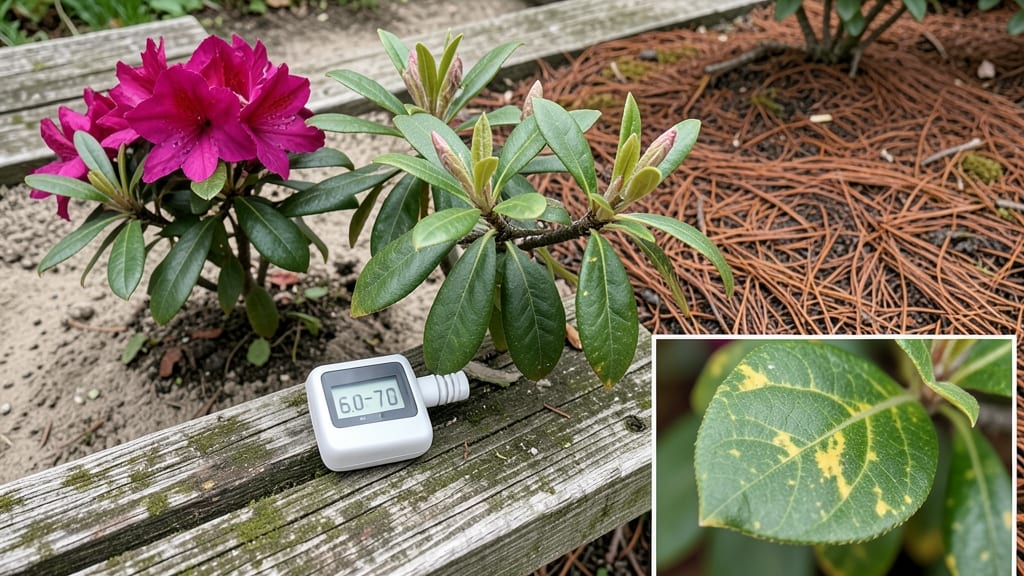
Recognizing acidic soil symptoms helps you identify yellowing leaves, slow growth, and mineral deficiencies like iron chlorosis, which occur when soil pH drops below 6.0 and locks out essential nutrients like phosphorus and calcium. This imbalance stifles root health and microbial activity, weakening plants over time.
When soil becomes too acidic, plants can't access vital nutrients even if they're present in the soil. 🌱 The most common symptom is iron chlorosis, where leaves turn yellow between veins while stems stay green—a clear sign the plant is starving for iron.
This happens because acidic conditions make phosphorus and calcium unavailable, while toxic aluminum builds up, damaging roots. I've seen this most often in vegetable gardens where tomatoes and peppers struggle to thrive despite regular fertilizer use.
Beyond visual symptoms, acidic soil also slows down beneficial microbes that break down organic matter. Without these microbes, plants can't access nitrogen and other nutrients efficiently, leading to stunted growth even when water and sunlight conditions seem ideal.
The key is testing your soil's pH—most home gardeners can use a simple test kit to check if their soil needs lime or other amendments to bring the pH back into the ideal range of 6.0 to 7.0.
💡 In This Article
- How Soil Acidity Affects Plant Nutrition
- Diagnosing and Fixing Acidic Soil Problems
How soil acidity affects plant nutrition
Soil acidity disrupts plant nutrition by altering how nutrients dissolve and become available. When pH drops below 6.0, essential minerals like phosphorus and calcium form insoluble compounds that roots can't absorb—even if they're present in the soil.
For example, phosphorus binds with iron and aluminum in acidic conditions, creating compounds that plants can't utilize. This explains why fertilizers sometimes fail to help plants growing in acidic soil, despite containing these nutrients.
The most dramatic symptom is iron chlorosis, where leaves turn yellow between veins because iron becomes locked in unavailable forms. Acidic soils also increase aluminum toxicity—this metal becomes soluble at low pH levels, damaging root tips and blocking water/nutrient uptake.
The result? Plants show stunted growth and wilting, even when watered properly. 🌱 What's fascinating is how this affects different plants: acid-loving species like blueberries thrive, while vegetables like tomatoes suffer severely.
Microbial life takes a hit too. Beneficial bacteria and fungi that break down organic matter and fix nitrogen prefer neutral to slightly acidic conditions (pH 6.0-7.0). When soil becomes too acidic, these microbes become less active, reducing nutrient cycling.
This creates a vicious cycle: fewer microbes mean less nitrogen availability, which further stresses plants already struggling with nutrient deficiencies.
Let's look at specific nutrient behaviors: phosphorus becomes most available at pH 6.5-7.0, while iron and manganese become more soluble in acidic conditions (pH 5.0-6.0). This explains why plants might show iron toxicity symptoms (brown spots) while still suffering from phosphorus deficiency.
The balance is delicate—too much acidity creates a nutrient rollercoaster where some elements become toxic while others disappear.
Visual symptoms often appear in new growth first because young leaves have higher nutrient demands. You might notice purplish stems (phosphorus deficiency) or yellowing between veins (iron chlorosis) before the problem becomes obvious in older foliage.
The key is catching these early signs—once roots are damaged by aluminum toxicity, recovery becomes much harder. 💚
Consider this chemical process: when soil pH drops, hydrogen ions (H+) increase, competing with nutrient ions for root absorption sites. This competition explains why plants might show multiple deficiency symptoms simultaneously.
The solution often requires raising pH to improve nutrient availability, but the process must be gradual to avoid shocking plant roots.