How To
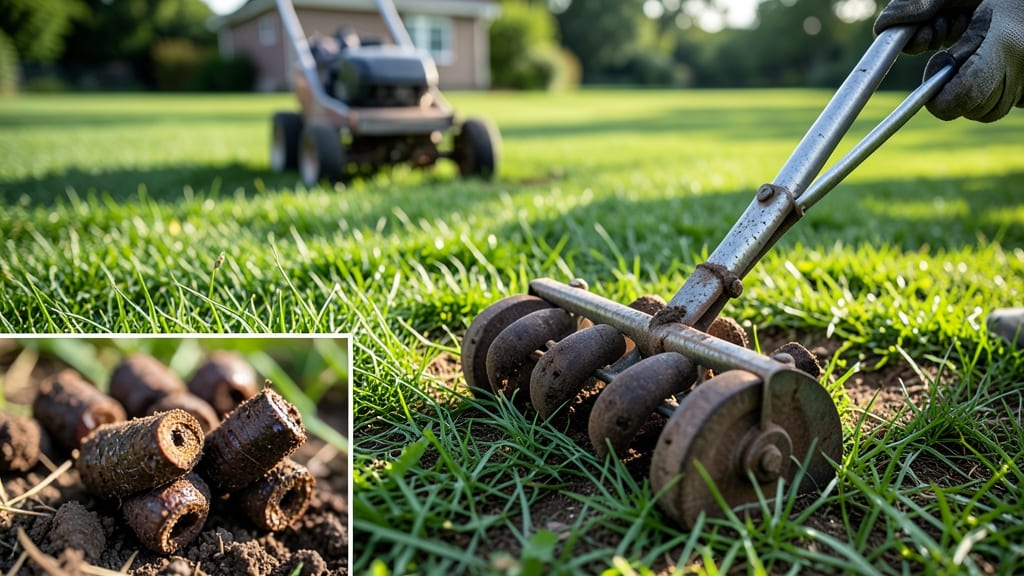
Aerating soil means loosening dense earth to create air spaces that enhance root development, water penetration, and nutrient delivery. This essential process prevents compaction, helping plants grow stronger and more resilient.
Aerating soil is like giving your plants a deep breath of fresh air—literally. When soil becomes compacted from foot traffic, machinery, or heavy rain, it squeezes out the air pockets roots need to thrive. 🌱 Without proper aeration, water drains poorly, nutrients get trapped, and roots struggle to expand downward.
I've seen lawns transform after aeration—what once felt like a hardpan becomes soft and crumbly, making it easier for grass roots to access moisture and food. The key is timing: late summer or early fall works best when plants are actively growing but not yet dormant.
This process isn't just about digging—it's about science. Compacted soil acts like a suffocating blanket, cutting off oxygen that roots need to metabolize. Aeration creates channels that improve drainage while encouraging beneficial microbes to flourish.
For gardens, manual tools like fork aerators work well for small areas, while core aerators are ideal for lawns. The result? Healthier plants that can better withstand drought and disease.
💡 In This Article
- How Soil Compaction Harms Plant Roots and Growth
- Best Methods for Aerating Soil in Gardens and Lawns
How soil compaction harms plant roots and growth
Soil compaction occurs when external pressure—whether from foot traffic, heavy machinery, or even repeated rain—squeezes soil particles together, eliminating the tiny air spaces roots need to breathe. Imagine a sponge: when compressed, water drains poorly and air can't circulate.
In compacted soil, this suffocation reduces oxygen levels from 20-25% (ideal) down to as low as 5-10%, starving roots of the oxygen they need for cellular respiration. This process also crushes soil aggregates (natural clumps), breaking down the structure that holds water and nutrients.
The physical damage goes deeper than oxygen deprivation. Compacted soil creates a hardpan layer—a dense, nearly impenetrable barrier—just below the surface. Grass roots, for example, often struggle to grow beyond 2-3 inches in compacted lawns, while healthy roots in aerated soil can extend 6-12 inches or more.
This shallow root system makes plants more vulnerable to drought and heat stress, as they can't access deeper moisture reserves. 🌿 Water also pools on the surface instead of soaking in, increasing runoff and erosion risks.
Nutrient availability takes a hit too. Compacted soil traps water and nutrients near the surface, where they become concentrated and less accessible to roots. Beneficial microbes—like mycorrhizal fungi that help plants absorb phosphorus—thrive in well-aerated soil but struggle in dense conditions.
Studies show that compacted soil can reduce microbial activity by up to 50%, directly impacting a plant's ability to uptake essential minerals like nitrogen and potassium.
Visual clues can help identify compaction: soil that feels hard when pressed or leaves a clear imprint when stepped on is a red flag. Even worse, compacted soil repels water, causing it to bead up instead of absorbing.
This creates a cycle where plants wilt despite adequate rainfall because their roots can't access the moisture. The solution? Aeration restores those critical air pockets, allowing roots to expand, water to drain properly, and microbes to revive.
Consider this comparison: a healthy soil profile has a loose, crumbly texture with 40-60% pore space (air and water combined). Compacted soil might have only 10-20% pore space, turning what should be a sponge into a brick.
The difference is why aerated gardens produce 30-50% more yield than compacted ones, as roots can explore more volume for nutrients and water.