
Lawn
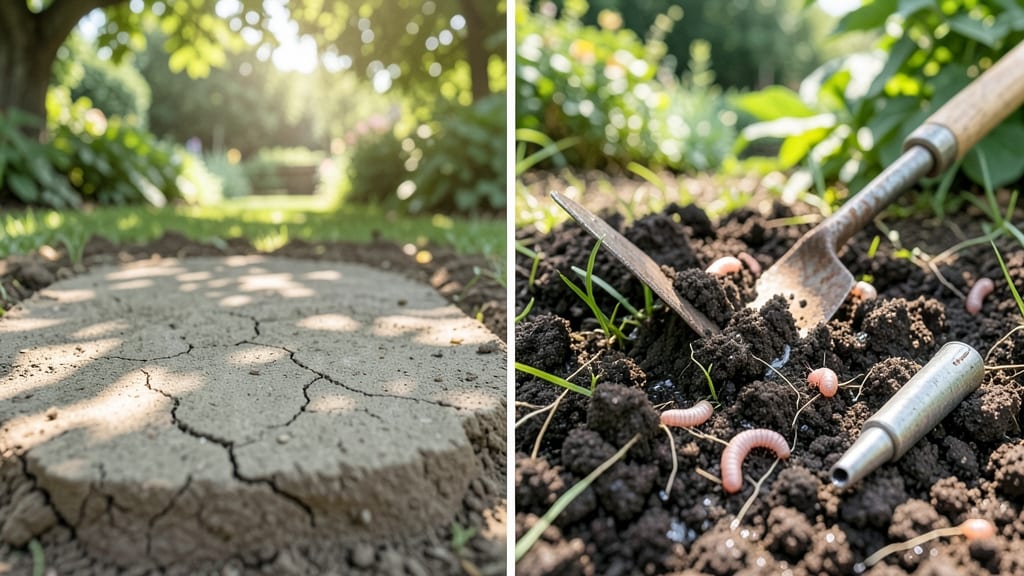
Aerated soil means soil with enhanced air pockets created by breaking up compacted layers, which lets oxygen, water, and nutrients reach plant roots more efficiently. This process boosts root growth and plant vitality by preventing suffocation and encouraging beneficial microbial activity.
Aerated soil works by creating tiny air channels throughout the root zone, almost like giving your lawn's roots a breathing space. 🌱 Without these pockets, soil becomes dense and waterlogged, starving roots of oxygen and trapping nutrients out of reach.
I've seen firsthand how aeration transforms struggling lawns—roots spread deeper, grass grows thicker, and weeds have a harder time taking hold. The best part? It's not just about adding air; it's about restoring balance to the soil ecosystem.
This technique is especially valuable for heavy clay soils or high-traffic areas where compaction is common. Many gardeners overlook how much damage everyday foot traffic or machinery can do, compressing soil to just 10% air space instead of the ideal 20-25%.
The key is timing—spring and fall are perfect because the soil is moist but not frozen, allowing roots to recover quickly from the disturbance.
💡 In This Article
- How Aerated Soil Improves Plant Root Systems
- Best Methods for Aerating Soil in Gardens
How aerated soil improves plant root systems
Think of aerated soil like a well-ventilated basement for your plants—without proper airflow, roots suffocate. When soil becomes compacted, it squeezes out air pockets, reducing oxygen levels to as low as 5-10% in extreme cases.
Roots need oxygen to respire (breathe), just like us, and without it, they can't absorb nutrients efficiently. Aeration creates those crucial air channels, restoring oxygen levels to 20-25%, which is when roots thrive and grow stronger.
This process also prevents water from pooling around roots, reducing the risk of rot in waterlogged conditions.
The magic happens at the microscopic level. Aeration breaks up dense soil layers, allowing water to infiltrate more deeply instead of sitting on the surface. This creates a 10-15% improvement in water penetration compared to compacted soil, where water runs off or evaporates quickly.
The improved drainage also helps beneficial microbes—like mycorrhizal fungi and bacteria—flourish. These tiny organisms form symbiotic relationships with plant roots, helping them access nutrients like phosphorus and nitrogen that would otherwise be locked away in dense soil. Without aeration, these microbes struggle to survive, weakening the entire root system.
You'll notice the difference in root development within weeks. In compacted soil, roots grow shallow and weak, often spreading horizontally to find oxygen. But in aerated soil, roots grow deeper and more robust, accessing nutrients from lower layers.
For example, Kentucky bluegrass roots can grow up to 6 inches deep in aerated conditions, compared to just 2-3 inches in compacted soil. This deeper root system makes plants more drought-resistant and better at withstanding foot traffic or weather stress. The result?
Healthier, greener lawns and gardens that bounce back faster from challenges.
There's also a sensory difference you can observe. Aerated soil feels lighter and crumbles easily between your fingers—almost like loose, fluffy dirt—while compacted soil feels hard and dense.
When you dig into aerated soil, you'll see those tiny air pockets and worm tunnels, which are natural indicators of a thriving soil ecosystem. These channels also help reduce soil temperature fluctuations, keeping roots in a more stable environment.
Without aeration, soil can heat up quickly in summer or freeze solid in winter, both of which stress plant roots.
For gardeners, the benefits extend beyond just aesthetics. Aerated soil improves nutrient uptake, so plants grow faster and produce more fruit, flowers, or foliage. For instance, vegetables like tomatoes and peppers show a 20-30% increase in yield when grown in aerated soil compared to compacted conditions.
The same goes for ornamental plants—roses, for example, develop stronger canes and more vibrant blooms when their roots have access to adequate oxygen and nutrients. It’s not just about adding air; it’s about creating the perfect environment for roots to do their job efficiently.
One common misconception is that aeration only benefits lawns. In reality, it’s equally valuable for vegetable gardens, flower beds, and even potted plants. Container gardens, for example, can benefit from adding perlite or vermiculite to mimic aerated soil conditions, especially if the potting mix becomes compacted over time.
The key takeaway? Aeration isn’t just a lawn care trick—it’s a fundamental practice for any healthy garden. 🌿