
Companion Plants
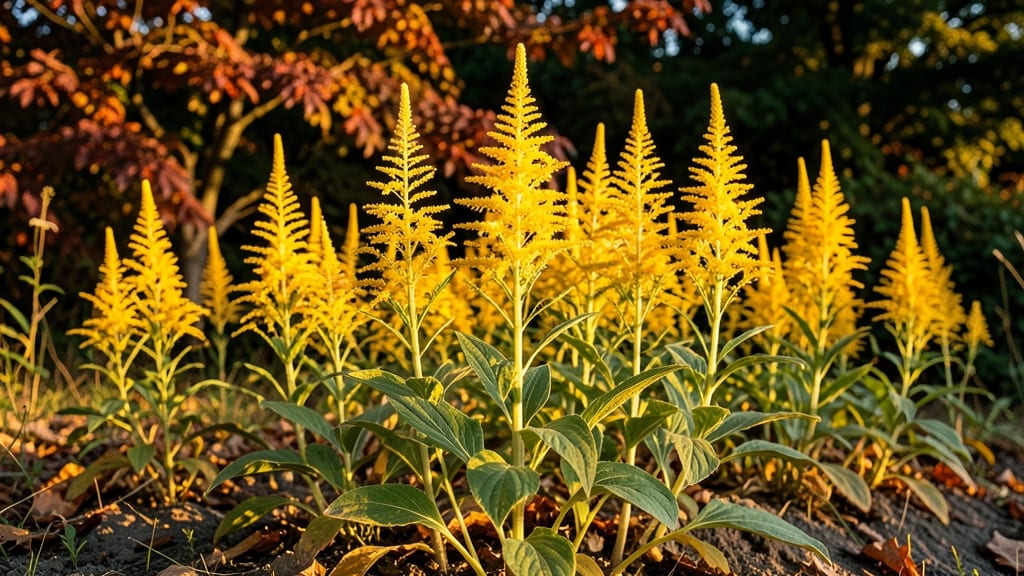
Struggling to grow plants in alkaline soil? These 10 hardy species not only tolerate but thrive in high-pH conditions, transforming your garden into a lush oasis without soil amendments. Discover the perfect companions for limestone-rich or clay-heavy gardens.
Russian Sage: Drought-Resistant Purple Beauty
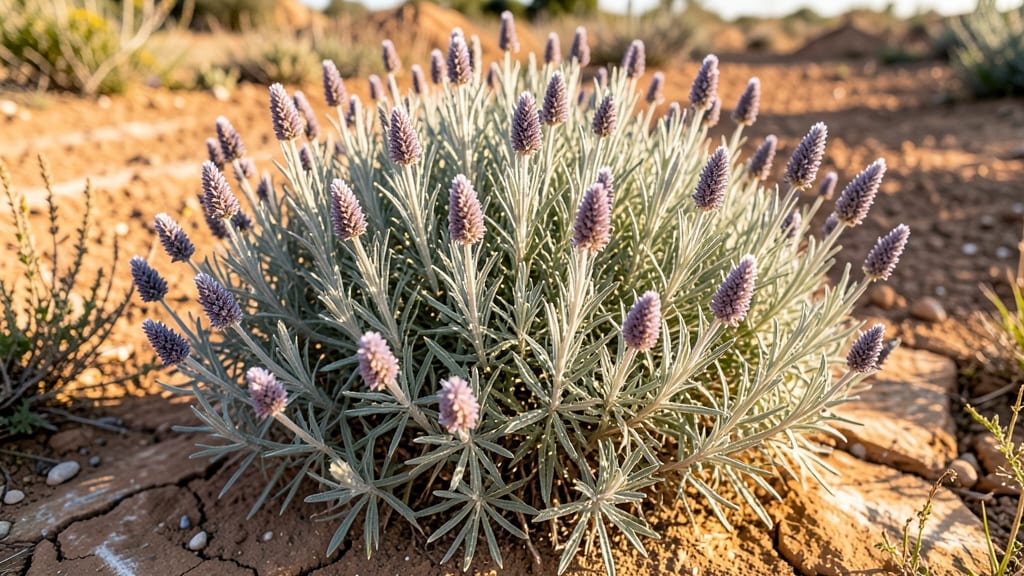
If your garden battles alkaline soil and scorching summer heat, Russian sage (Perovskia atriplicifolia) is your secret weapon. This drought-resistant beauty thrives in pH 7.0–8.5 soil, making it perfect for limestone-rich or clay-heavy landscapes where other plants struggle.
With its silvery-green foliage and airy spikes of lavender-blue flowers, Russian sage adds texture and color while attracting bees, butterflies, and hummingbirds. Once established, it requires little to no supplemental water, making it ideal for xeriscaping or low-maintenance borders. Plant it in full sun (6+ hours daily) and watch it flourish with minimal care.
Gardeners in USDA zones 4–9 will love its hardiness—it’s deer-resistant and even tolerates urban pollution. Perfect for wildflower meadows, cottage gardens, or as a focal point in dry beds. 💚
Lavender: Fragrant Perennial for Sunny Gardens
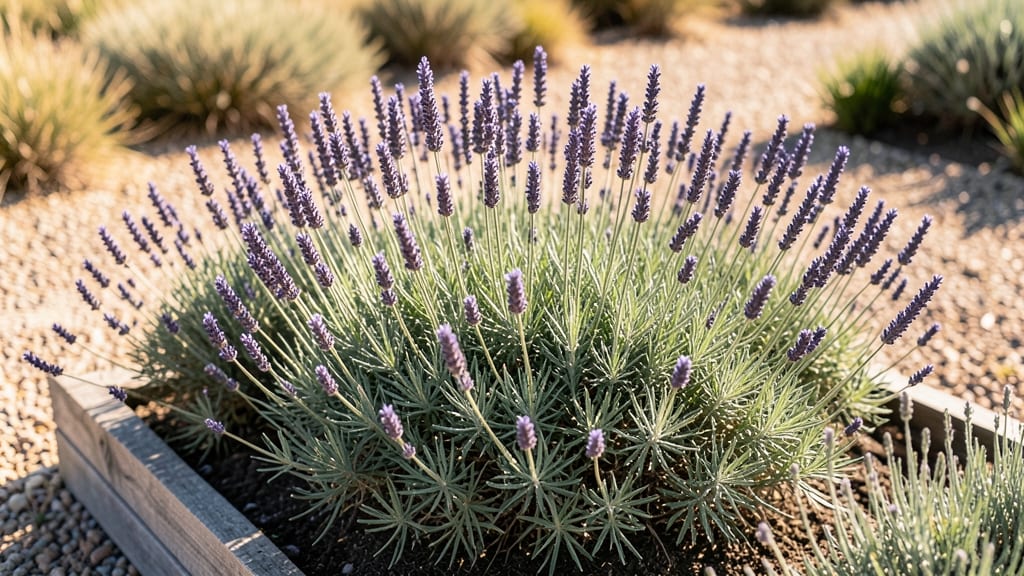
If your garden soil is alkaline and you crave both beauty and function, lavender is your perfect match. This fragrant perennial not only thrives in high-pH conditions but also deters pests with its natural scent, making it a dual-purpose powerhouse for sunny spots.
Plant lavender in well-drained soil with 6+ hours of sun daily—it’s drought-tolerant once established, so watering deeply once a week is often enough. The calming aroma repels mosquitoes, moths, and even deer, while its silvery foliage adds texture to borders or containers. Bonus: Harvest blooms for culinary uses like teas or desserts!
Urban gardeners and beginners will love how low-maintenance lavender is—just prune lightly after blooming to encourage bushier growth. 🌿
Black-Eyed Susan: Golden Blooms for Pollinators
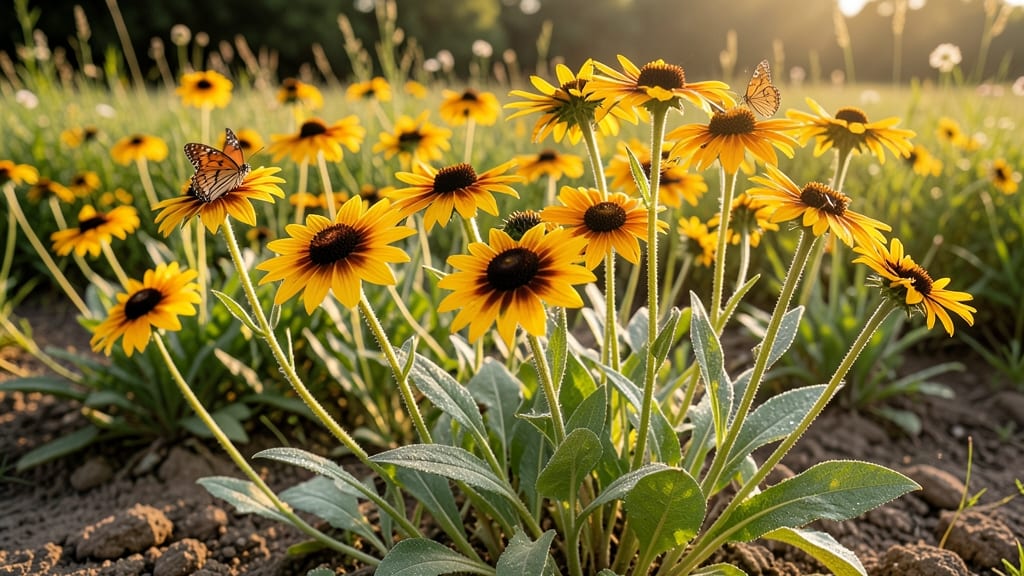
Want a pollinator paradise that thrives in your alkaline soil without fuss? Meet the Black-Eyed Susan (Rudbeckia hirta), a cheerful native wildflower with golden-yellow blooms and dark centers that butterflies can't resist. This hardy perennial blooms from early summer through fall, offering year-round interest when deadheaded regularly.
Perfect for full sun to part shade, Black-Eyed Susan adapts to dry conditions once established, making it ideal for low-maintenance gardens or wildflower meadows. Its deep roots help prevent erosion, and it self-seeds readily, creating naturalizing drifts over time. Plant in clusters of 5-7 for maximum impact—just be prepared for a garden teeming with fluttering visitors! 🌻
Yarrow: Medicinal Herb with Fiery Clusters
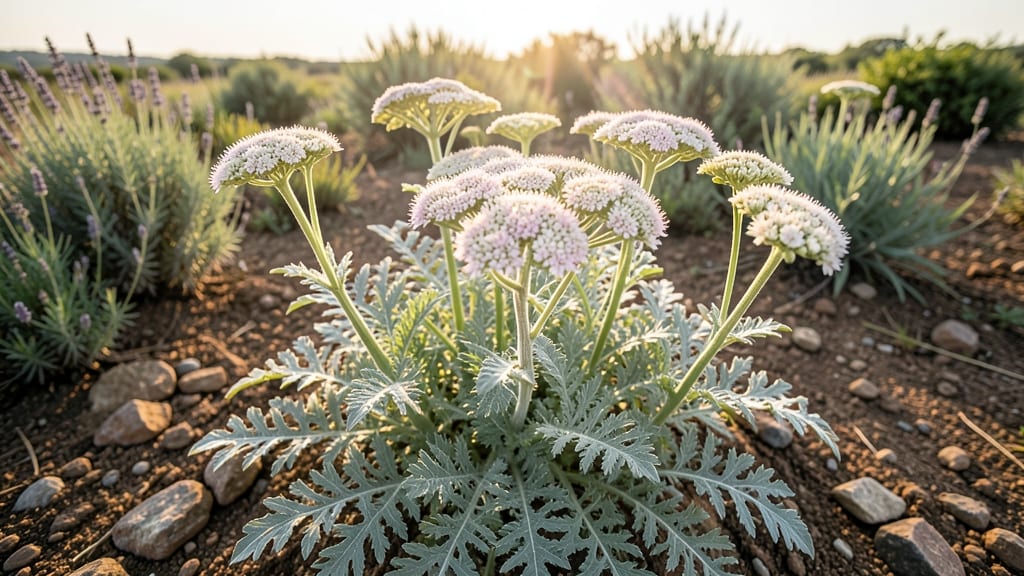
If you're looking for a medicinal herb that doubles as a stunning garden focal point, yarrow (Achillea millefolium) is your answer. This hardy perennial thrives in alkaline soil and even handles poor drainage, making it ideal for challenging garden spots where other plants struggle.
With its flat-topped clusters of tiny flowers in shades of white, pink, or deep red, yarrow blooms from early summer to fall, attracting pollinators while adding a touch of wild beauty. Historically, its leaves were used to staunch wounds, and today, it’s prized for its drought tolerance and ability to spread easily—perfect for meadows or borders.
Gardeners with alkaline soil will love how low-maintenance yarrow is—just deadhead spent blooms to encourage more flowers. It’s especially great for beginner gardeners or those with rocky, limestone-rich soil. 🌻
Catmint: Long-Blooming Purple Stunner
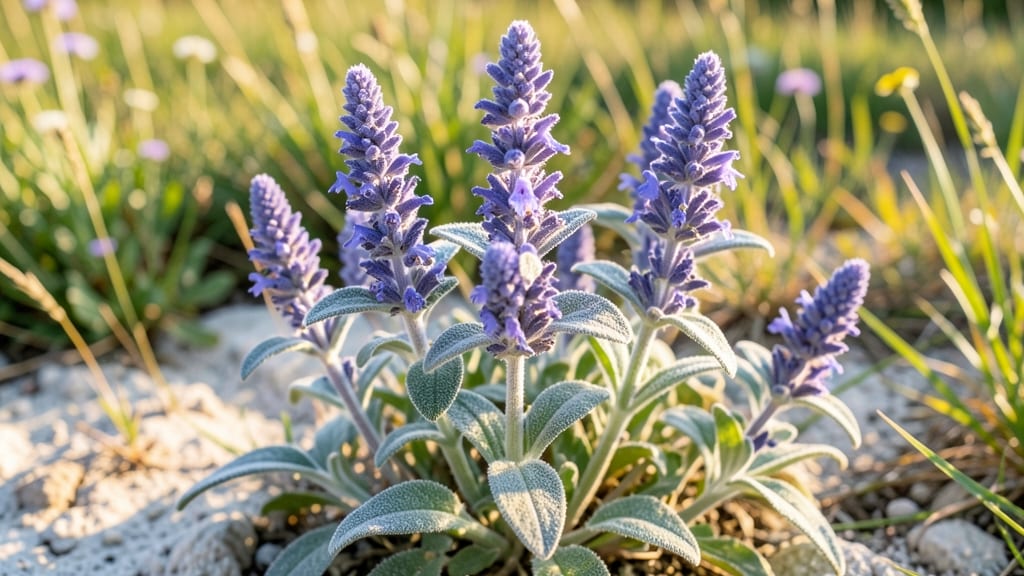
Tired of deer and rabbits turning your garden into a salad bar? Catmint is your new secret weapon—this tough, mint-family plant not only thrives in alkaline soil but practically screams "don't eat me!" to hungry critters.
With lavender-blue flower spikes that bloom from early summer straight through to frost, catmint delivers months of color while attracting pollinators. It's a dream for cutting gardens (stems last weeks in vases) and borders, plus its silvery foliage adds texture year-round. Just give it full sun to partial shade and well-drained soil—it handles drought once established.
Perfect for low-maintenance gardeners or those with deer pressure, catmint proves you don't need fancy soil to grow showstopping plants. 🌿
Lamb’s Ear: Velvety Texture for Shade Gardens
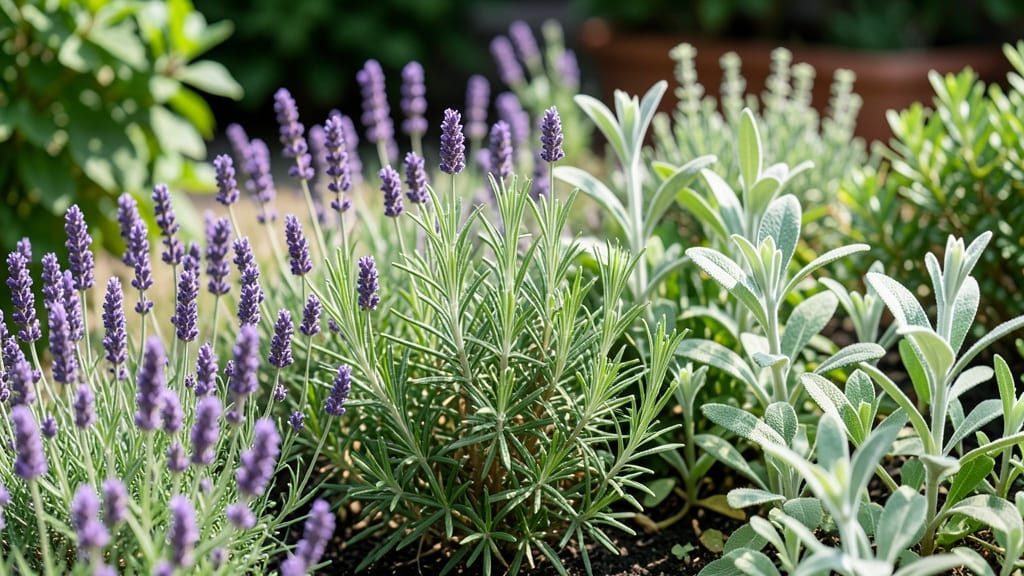
Want to add a sensory garden experience to your alkaline soil without extra work? Lamb’s Ear (Stachys byzantina) delivers velvety silver-gray foliage that feels like velvet—perfect for shade gardens where other plants might struggle.
This drought-tolerant perennial thrives in alkaline conditions and partial shade, making it ideal for under trees or along north-facing walls. Its fuzzy leaves contrast beautifully with purple blooms in late spring, while its low-growing habit (12-18 inches tall) makes it excellent for ground cover or container gardens. Simply shear back after flowering to encourage bushier growth.
Urban gardeners and pollinator-friendly designers love it for its low-maintenance charm—just ensure well-drained soil and occasional deadheading. 🌿
Butterfly Weed: Native Milkweed for Monarchs
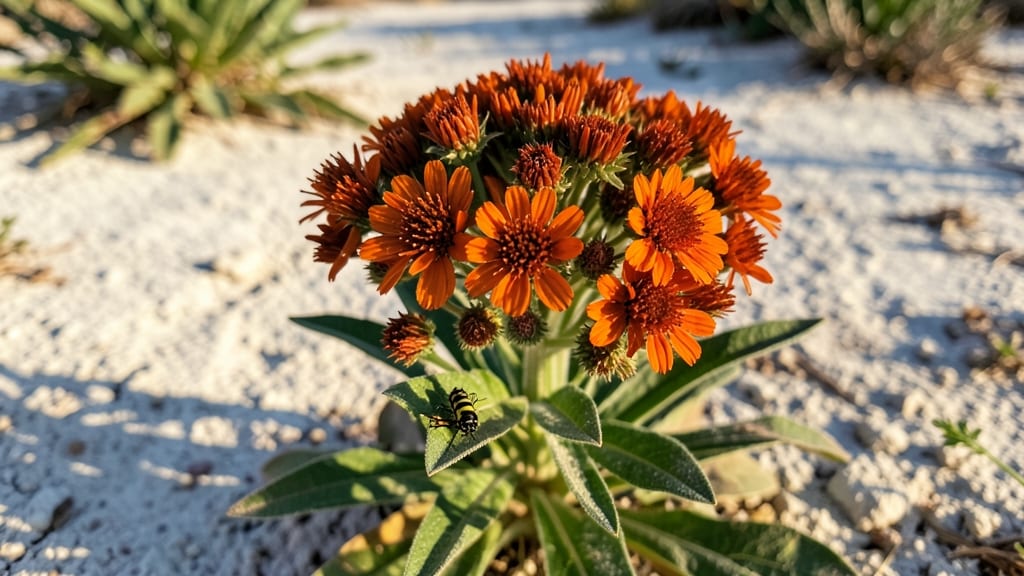
Want to make a real difference for monarch butterflies while adding a pop of color to your garden? Butterfly weed (Asclepias tuberosa) is your answer—a native milkweed that thrives in alkaline soil and provides the critical habitat monarch caterpillars need to survive.
This drought-tolerant perennial blooms in vibrant orange clusters from early to mid-summer, attracting not just monarchs but bees, hummingbirds, and other pollinators. It’s completely care-free once planted—just give it full sun (6+ hours daily) and well-drained soil, and it’ll spread happily over time. The seed pods that follow add winter interest too!
Perfect for prairie-style gardens, meadows, or pollinator-friendly borders, this plant is a must for anyone who wants to support monarch conservation without extra effort. 🌻
Russian Thistle: Drought-Proof Silver Spheres
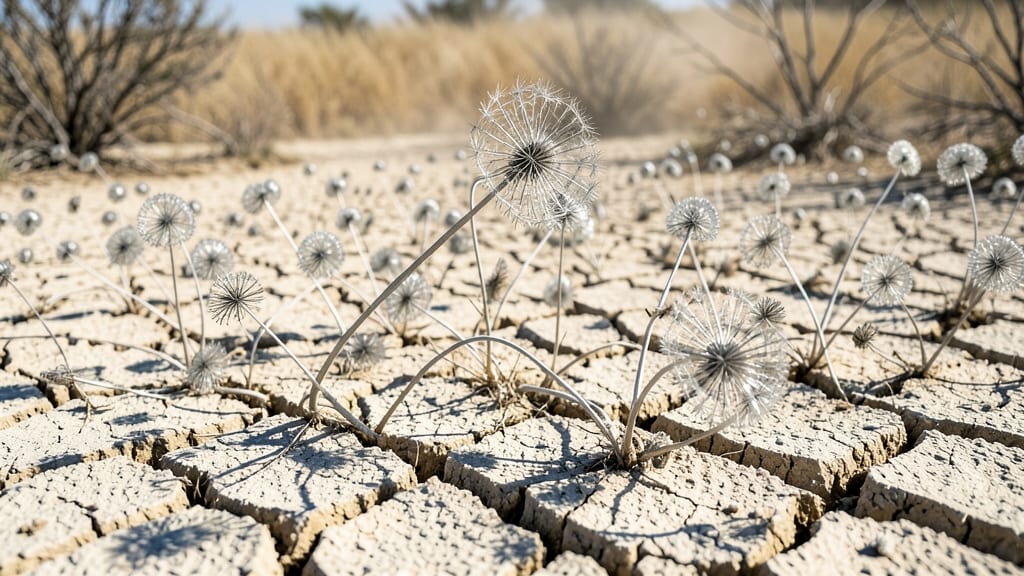
If you’ve ever spotted tumbleweeds rolling across dry landscapes, you’ve likely seen Russian thistle in action—but this isn’t just a weed. Its silver, spherical seed heads create a striking winter display while thriving in alkaline, drought-prone soils, making it a standout for xeriscaping or wildflower meadows.
This hardy annual (or short-lived perennial) tolerates full sun and poor soil, requiring almost no water once established. Its unique form adds texture and movement to gardens, and it self-seeds prolifically, ensuring year-after-year drama. For gardeners in arid regions, it’s a low-maintenance way to add drama without extra irrigation.
Perfect for wildlife gardens or low-water landscapes, Russian thistle brings a rugged charm that no other alkaline-tolerant plant can match. Just be mindful—its seed heads can spread easily, so plant where they won’t become invasive. 🌻
Sea Thrift: Coastal Plant for Alkaline Gardens
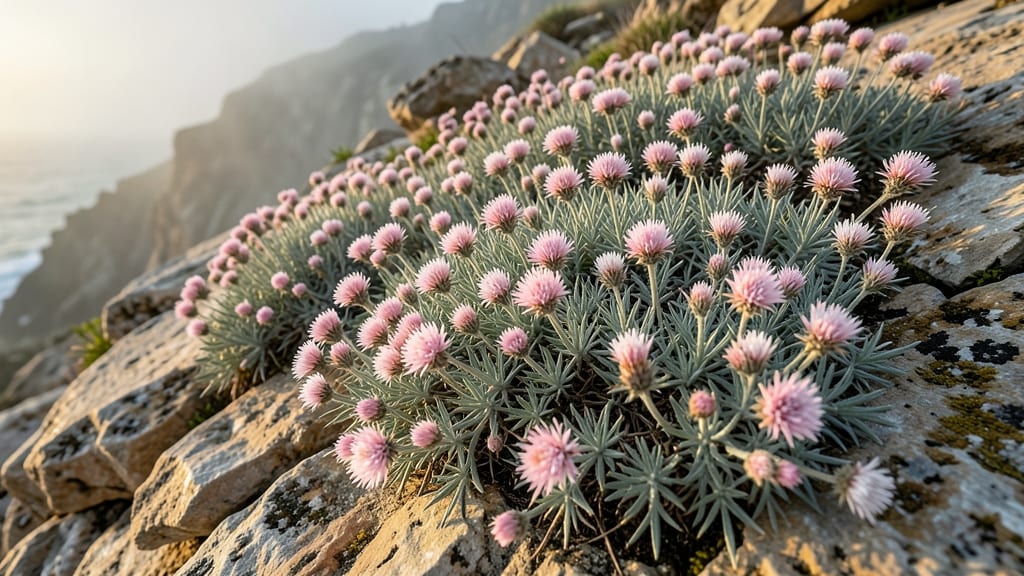
Bring the drama of coastal gardens inland with sea thrift (Armeria maritima), a hardy perennial that mimics oceanfront conditions with its salt-tolerant roots and love for limestone soil. This low-growing beauty thrives in rocky crevices or slopes, where its dense clusters of pink or white flowers create a whimsical, almost fairy-tale appearance.
Plant sea thrift in full sun to partial shade, where it naturally cascades over walls or spills between stones. Its drought-resistant nature makes it ideal for water-wise gardens, while its year-round evergreen foliage provides structure even in winter. Prune back spent blooms in early spring to encourage fresh growth.
Perfect for gardeners with alkaline, well-drained soil—especially those near coastlines or limestone regions—this plant adds texture and charm without fuss. 🌻
Goldenrod: Late-Season Pollinator Magnet

Don’t let the myth of goldenrod allergies fool you—this late-season bloomer thrives in alkaline soil and is a lifeline for pollinators when other flowers fade. Its bright yellow plumes create a stunning contrast against autumn foliage while providing nectar for bees and butterflies.
Plant goldenrod in full sun for best results, and it will reward you with two-month blooms from late summer through fall. This hardy perennial also tolerates drought once established, making it ideal for low-maintenance gardens. Plus, its feathery seed heads add winter interest to the landscape.
Perfect for wildflower meadows, prairie gardens, or even as a cut flower, goldenrod proves that alkaline soil gardens can be both beautiful and ecologically beneficial. 🌻