
Companion Plants
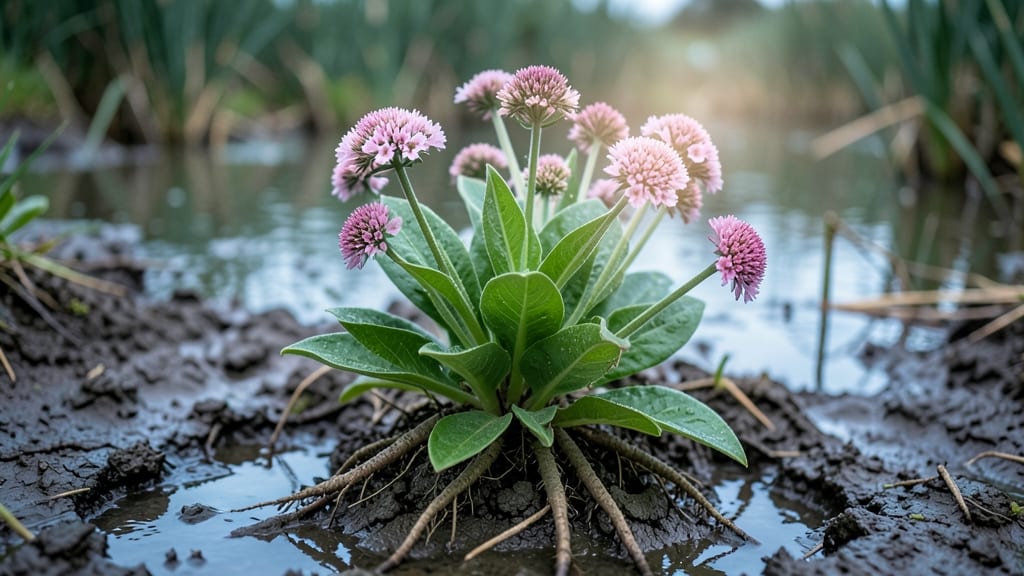
Struggling to grow plants in soggy soil? These 10 moisture-loving species thrive in wet conditions without succumbing to root rot, perfect for bog gardens, rainforest-inspired yards, or low-lying areas where drainage is poor.
Cattails for Natural Wetland Beauty
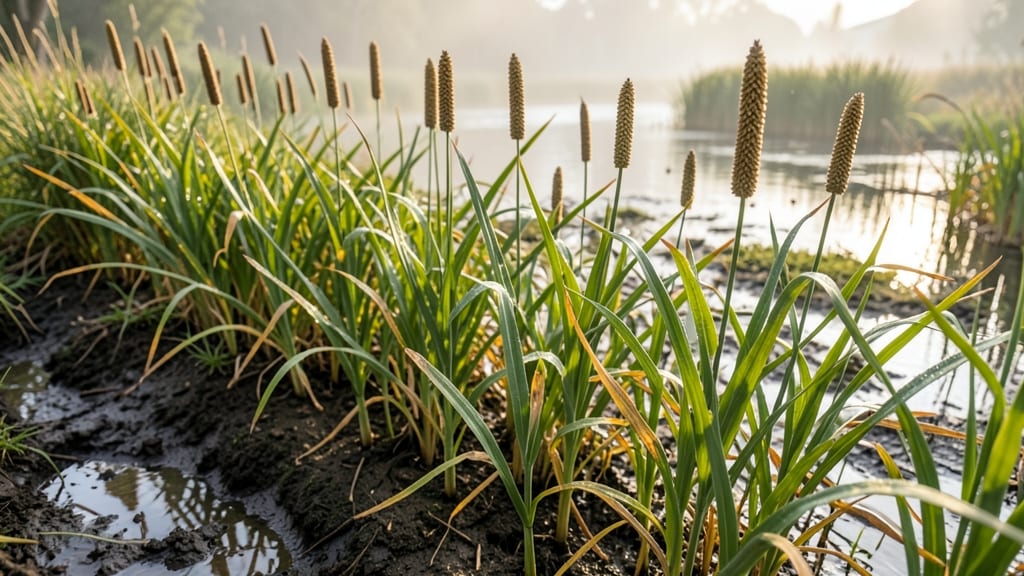
Turn that soggy corner of your yard into a thriving wetland oasis with cattails—nature’s ultimate wet soil superstar. These hardy plants don’t just tolerate waterlogged soil; they thrive in complete submersion, making them perfect for borders around ponds, rain gardens, or any area where water pools.
Cattails are more than just survivors—they’re ecosystem engineers. Their roots filter impurities from water, creating cleaner, healthier wetlands. Plus, their iconic seed plumes add vertical drama to your garden while providing shelter and food for birds, butterflies, and amphibians. Plant them in clumps along water’s edge for a natural, low-maintenance border that evolves from green foliage to golden plumes by summer’s end.
Ideal for beginners and wildlife enthusiasts alike, cattails require zero fuss—just full sun to partial shade and wet feet year-round. They’re the ultimate solution for turning "problem areas" into productive, beautiful habitats. 🌱
Purple Loosestrife for Pollinator Gardens
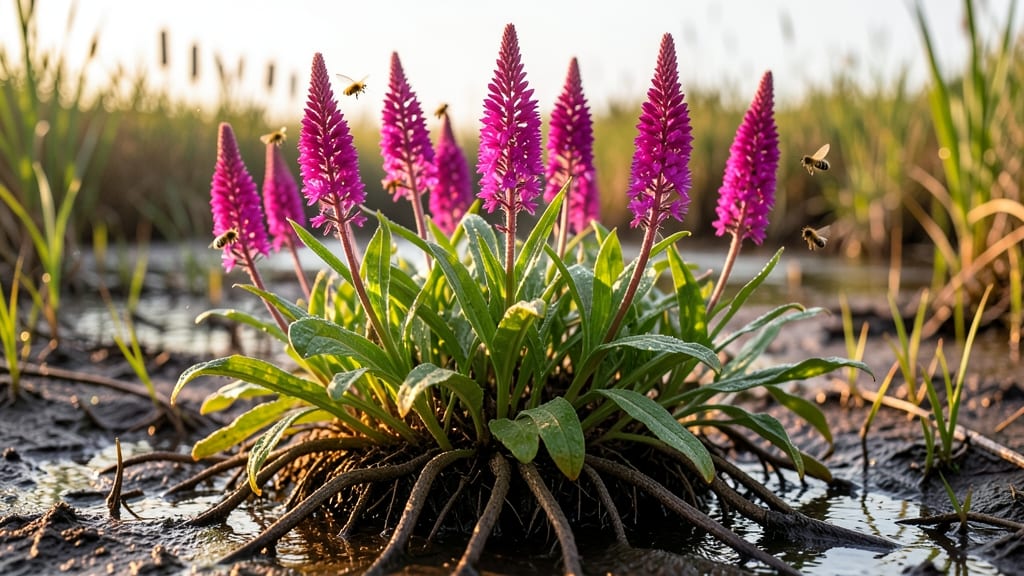
Turn your soggy patches into a buzzing pollinator paradise with purple loosestrife—a magenta powerhouse that thrives where other plants drown. Its vibrant blooms draw bees, butterflies, and hummingbirds while its deep roots stabilize marshy soil, preventing erosion in those tricky wet spots.
This hardy perennial handles standing water and even partial submersion, making it ideal for rain gardens or pond edges. Bonus: It’s historically been used for natural dye, adding a touch of old-world charm to modern landscapes. Just give it full sun to partial shade and minimal care—it rewards you with months of blooms from summer to fall.
Perfect for gardeners who want low-maintenance beauty with high ecological value, purple loosestrife is a must for wetland restoration projects or pollinator-friendly yards. 🌟
Sweet Flag for Fragrant Wetland Beds
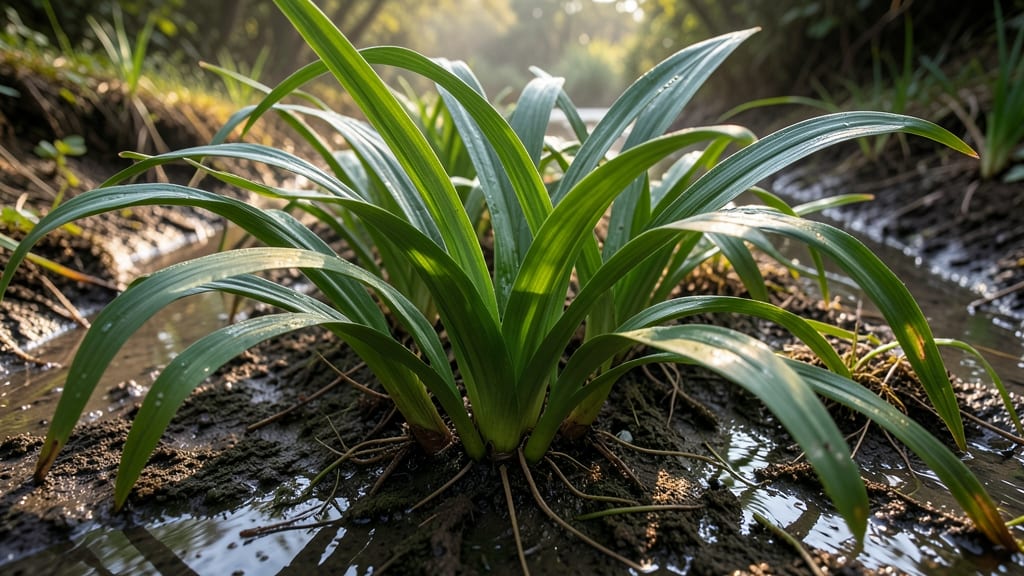
Want a wetland garden that smells as good as it looks? Sweet flag (Acorus calamus) brings a citrusy, anise-like fragrance when you brush its leaves or crush the rhizomes—making it a sensory star for fragrant gardens.
This hardy perennial thrives in standing water or soggy soil, tolerating full sun to partial shade. Its sword-shaped foliage stays evergreen in mild climates, and the plant naturally repels mosquitoes, doubling as a chemical-free pest deterrent. Simply plant the rhizomes in 3–6 inches of water or damp soil, and watch it spread slowly but reliably.
Perfect for sensory gardens, pollinator-friendly wetlands, or mosquito-prone areas, sweet flag is a low-maintenance workhorse that adds both beauty and function. 🌿
Marsh Marigold for Early Spring Color
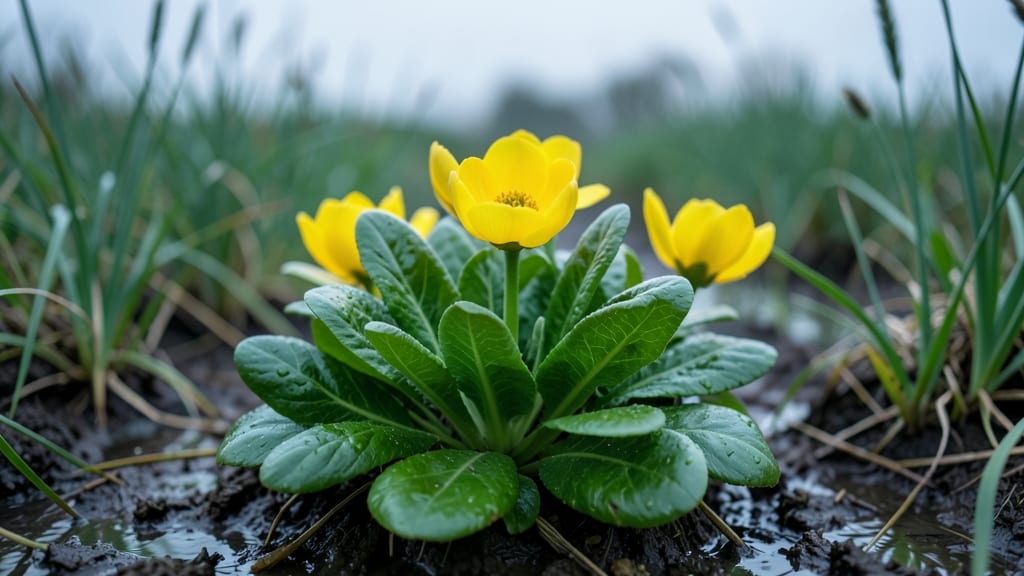
Ready to brighten up those soggy spots in your garden? Marsh marigold (Caltha palustris) is the early spring hero you’ve been waiting for, bursting into vibrant yellow blooms before most plants even think about waking up.
This hardy perennial thrives in flooded conditions and even tolerates standing water, making it perfect for rain gardens or wet meadows. Its petals are edible—add them to salads for a peppery kick—and the flowers attract pollinators like bees and hoverflies, giving your garden an early boost of beneficial insects. Plant in partial to full shade and watch it spread via rhizomes for lush, low-maintenance ground cover.
Ideal for gardeners with wet soil who want color without the fuss, marsh marigold is also deer-resistant and deer-proof. 🌟
Pickerelweed for Dramatic Wetland Foliage
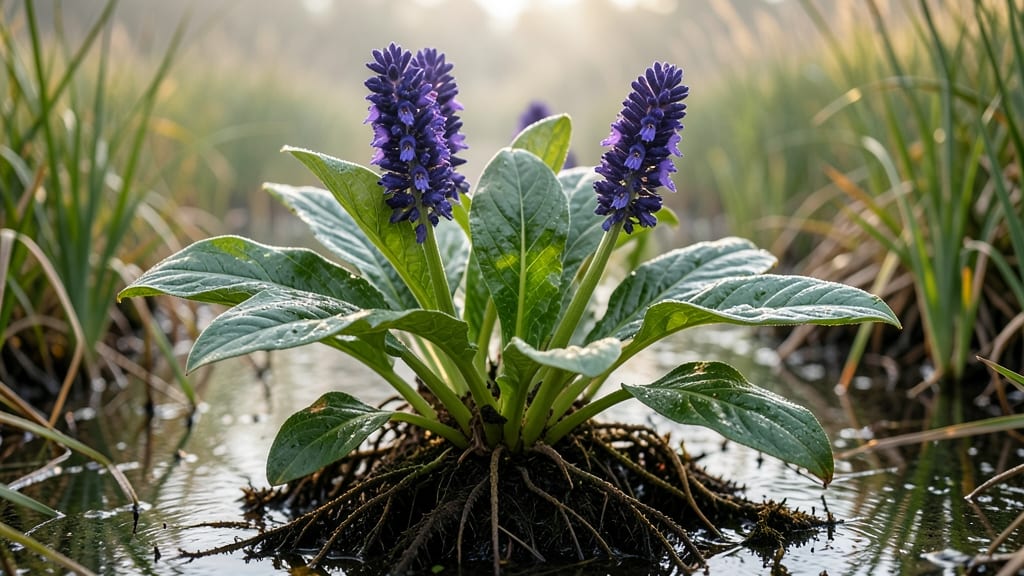
Turn your soggy corners into a striking wetland statement with pickerelweed (Pontederia cordata). This native North American beauty thrives in deep water (up to 3 feet) or saturated soil, making it perfect for rain gardens, container ponds, or even the edges of natural wetlands.
Its deep purple stems contrast dramatically with spiky, pinkish-purple flower spikes that bloom from mid-summer through fall. Unlike other wetland plants, pickerelweed tolerates full sun to partial shade, adapting to your space while providing bold vertical accents. Simply plant bare-root crowns in spring, ensuring they're fully submerged or in moist soil—they'll spread naturally over time.
Urban gardeners and wildlife enthusiasts will love how pickerelweed attracts butterflies and dragonflies while adding year-round interest with its striking foliage. It's the perfect way to bring drama to damp areas without the fuss. ✨
Blue Flag Iris for Wet Meadows
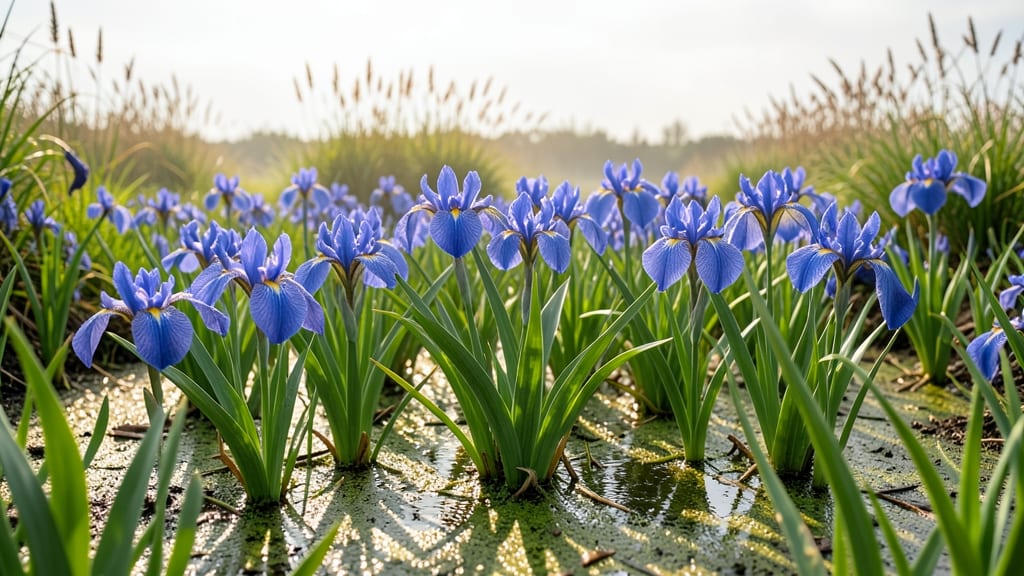
Turn your soggy meadow into a showstopper with blue flag iris (Iris versicolor), a native wetland beauty that thrives where other plants drown. Its striking blue-purple blooms with golden centers emerge in late spring, adding drama to rain gardens or pond edges without fuss.
Unlike fussy water plants, blue flag iris is drought-tolerant once established—meaning it handles both standing water and dry spells once roots spread. It’s also deer-resistant, making it a low-maintenance choice for rural or suburban wetlands. For gardeners who love fresh-cut flowers, these stems hold up beautifully in vases, lasting up to a week.
Perfect for pollinator gardens, this iris attracts bees and butterflies while stabilizing soggy soil. Beginners will appreciate its hardiness—just plant rhizomes in 6+ inches of water and watch them multiply over time. 🌷
Water Forget-Me-Not for Shady Wet Spots
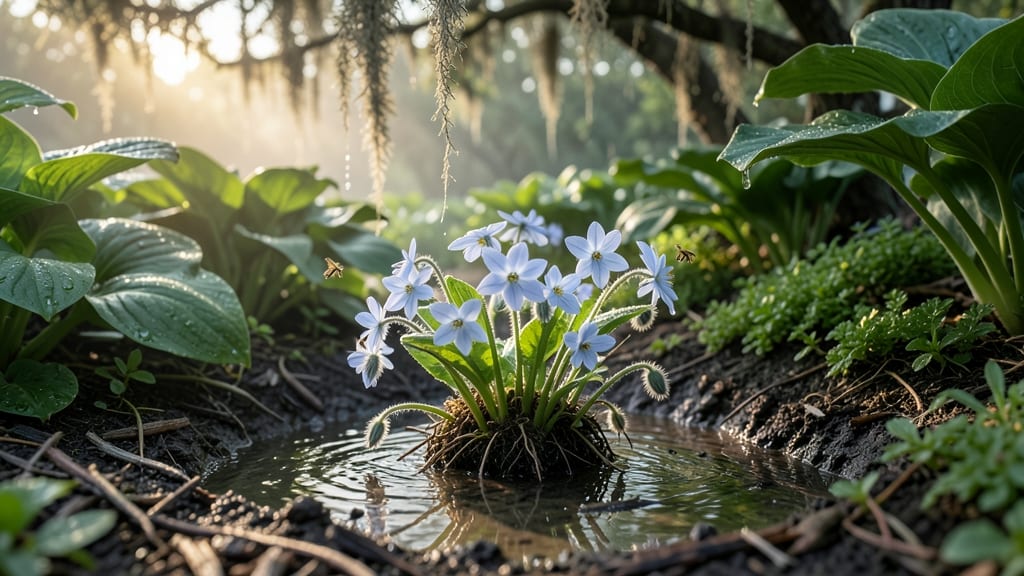
Turn your soggy, shaded areas into a pollinator paradise with water forget-me-not (Myosotis scorpioides), a charming annual that thrives where others fail. Its sky-blue blooms create a dreamy cottage garden effect while effortlessly adapting to moist, even waterlogged soil—perfect for rain gardens or woodland edges.
This self-seeding wonder spreads gently each season, ensuring year-round color with minimal effort. Plant seeds directly in part shade to full shade and keep soil consistently damp (but not soggy). The flowers attract bees, butterflies, and hummingbirds, making it a low-maintenance pollinator magnet. Unlike other wetland plants, it tolerates temporary flooding without wilting.
Ideal for beginners or busy gardeners, water forget-me-not adds effortless charm to forgotten corners. 🌿
Soft Rush for Textural Wetland Gardens
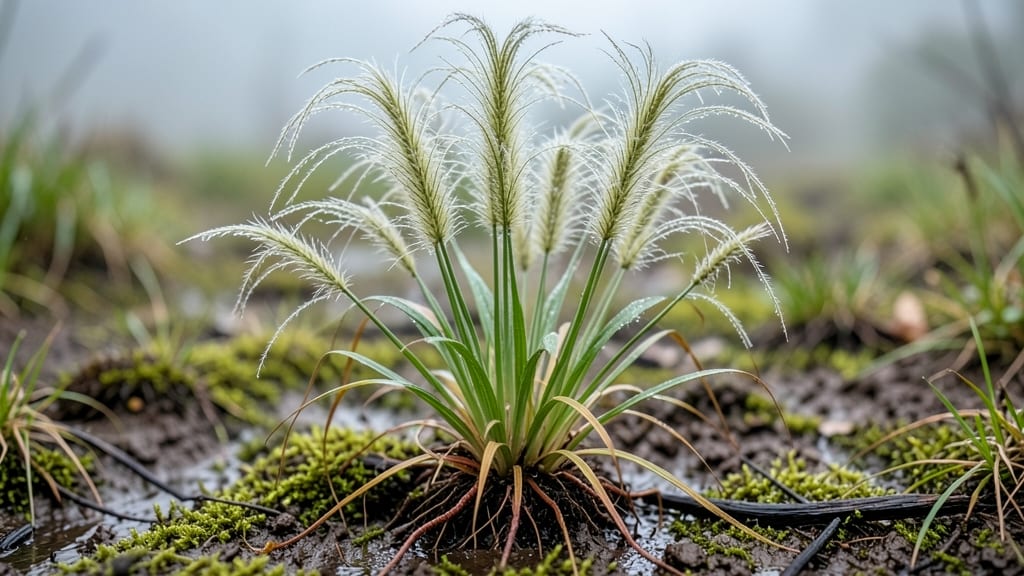
Looking for a low-maintenance plant that adds architectural flair to your wetland garden without spreading like a weed? Soft rush (Juncus effusus) delivers feathery, vertical texture that elevates modern designs while thriving in soggy conditions.
This non-invasive perennial grows 2-4 feet tall with slender, grass-like stems that sway gently in the breeze. Unlike invasive wetland plants, soft rush stays contained and won’t take over your garden. It handles full sun to partial shade and even tolerates seasonal flooding, making it perfect for rain gardens or pond edges.
Designers love it for creating clean, linear patterns that contrast beautifully with bold foliage plants. Whether you're a minimalist gardener or a wildlife enthusiast, soft rush offers year-round structure with zero fuss. 🌿
Water Lily for Floating Beauty
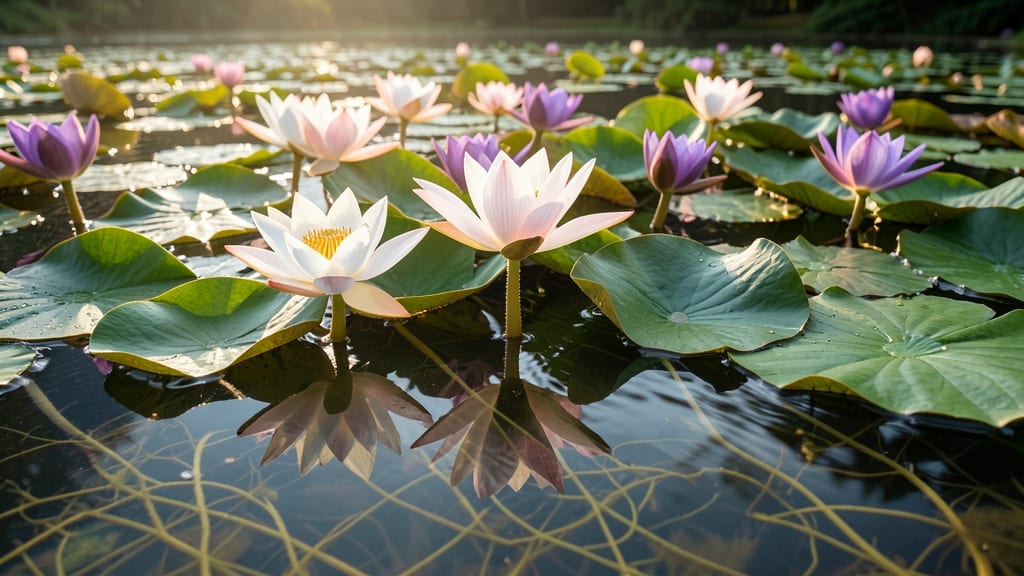
Transform your pond into a serene aquatic oasis with water lilies, nature's floating jewels that double as water purifiers. Their large, fragrant blooms—ranging from pristine white to deep purple—create a magical surface canopy while filtering algae and excess nutrients from the water.
To keep them thriving, plant hardy rhizomes in 12-18 inches of water with 6+ hours of direct sun daily. Varieties like Nymphaea odorata (white water lily) attract dragonflies and bees, while Nymphaea 'James Brydon' offers vibrant pink blooms. Space plants 3-4 feet apart to allow room for lily pads to spread.
Perfect for gardeners with ponds or large containers, water lilies bring both beauty and ecological benefits—just ensure your water source stays deep enough to prevent winter freeze damage. 🌻
Swamp Milkweed for Monarch Butterflies

If you love monarch butterflies but struggle with soggy soil, swamp milkweed (Asclepias incarnata) is your secret weapon. This native perennial thrives in poor, wet conditions where other plants would drown, making it ideal for rain gardens, pond edges, or areas with heavy clay.
Beyond its monarch magnet appeal, swamp milkweed produces tall, spiky pink-purple blooms that add dramatic vertical interest to summer gardens. After flowering, it develops seed pods that caterpillars adore—critical for monarch survival. Plant in full sun to partial shade and watch it spread via rhizomes while purifying water and preventing erosion.
Perfect for wildlife gardeners, pollinator enthusiasts, and those with challenging wet soil, this plant delivers both beauty and biodiversity with minimal fuss. 🌻