
Neem Oil
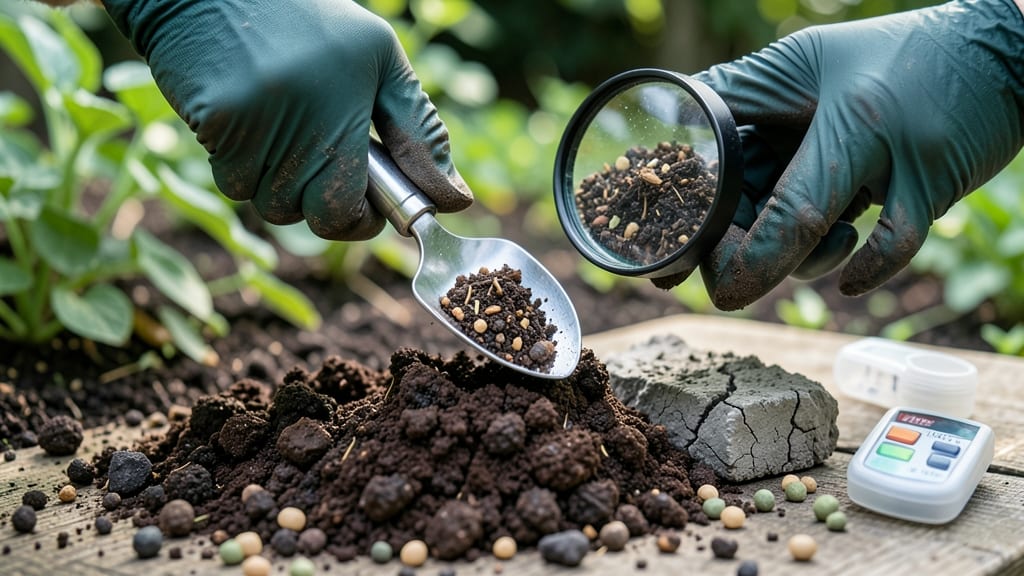
Amended soil meaning involves altering natural soil with organic or inorganic materials to enhance its composition for better plant growth. This process improves drainage, nutrient availability, and microbial activity, creating ideal conditions for thriving plants.
When we talk about amended soil, we're essentially referring to soil that's been upgraded to perform better for plants. 🌱 Think of it like giving your garden a nutrient boost—adding compost improves moisture retention while perlite prevents compaction.
The key is matching the amendment to your specific soil type: clay benefits from sand for better aeration, while sandy soil needs organic matter to hold water. This isn't just about throwing in random materials; it's about creating a balanced ecosystem where roots can access nutrients efficiently and microbes thrive.
What's fascinating is how these amendments work together. For example, lime adjusts acidity while compost feeds microorganisms that break down organic matter into plant-available nutrients. The right combination can transform poor soil into a productive growing medium in just one season.
I've seen gardeners turn rocky, nutrient-poor soil into lush beds capable of supporting vegetables, flowers, and even fruit trees by carefully selecting and applying the right amendments.
💡 In This Article
- How Soil Amendments Boost Plant Growth
- Best Soil Amendments for Different Plant Needs
How soil amendments boost plant growth
Soil amendments work by physically and chemically altering the growing medium to create ideal conditions for plant roots. Organic amendments like compost or peat moss increase the soil's ability to retain moisture while improving its crumbly texture—think of it like adding air pockets to concrete to make it more workable.
These materials also introduce beneficial microbes that break down organic matter into nutrients plants can absorb, like nitrogen, phosphorus, and potassium. The science here involves humus formation, where decomposed organic matter creates a sponge-like structure that holds both water and nutrients near root zones.
Inorganic amendments take a different approach. For instance, perlite adds lightweight particles that improve aeration, while gypsum helps break up compacted clay soils by replacing sodium ions with calcium.
The magic happens at the molecular level: clay particles naturally repel each other when calcium is present, creating larger pores for water and oxygen movement.
This is why amended soils often show 30-50% better root penetration compared to unamended versions, as roots encounter less resistance and more available oxygen. 🌱 The pH balance also shifts—lime raises pH in acidic soils while sulfur lowers it, directly affecting nutrient availability (like making phosphorus accessible at pH 6.0-7.0).
What most gardeners don't realize is how amendments create a cascading effect in soil ecosystems. When you add compost, you're not just feeding plants—you're feeding the 1 billion microbes per gram of soil that decompose organic matter, cycle nutrients, and suppress pathogens.
These microbes produce enzymes that convert complex compounds into plant-available forms, like turning insoluble phosphorus into soluble phosphate. The result? Plants experience 20-30% faster growth rates in amended soils compared to unmodified ones, with stronger stems and higher yields.
Texture plays a critical role too. Sandy soils benefit most from organic matter to improve water retention, while clay soils need structural amendments like coarse sand or vermiculite to prevent compaction.
The ideal soil should have 45% mineral particles, 5% organic matter, and 50% pore space—amendments help achieve this balance.
For example, adding 1 inch of compost per square foot can increase organic matter by 1-2% annually, which is enough to transform marginal soil into productive growing medium within 2-3 years.
Consider the case of vegetable gardens: tomatoes thrive in slightly acidic soil (pH 6.0-6.8) with good drainage, while blueberries need highly acidic conditions (pH 4.5-5.2). The right amendments—like elemental sulfur for blueberries or wood ash for tomatoes—create these precise environments.
This precision is why professional growers often test soil before amending, as off-target pH levels can lock out essential nutrients despite having them present in the soil.
One advanced technique involves biochar, a charcoal-like substance created through pyrolysis of organic waste. When mixed into soil, biochar acts like a slow-release fertilizer by holding onto nutrients and microbes in its porous structure.
Studies show biochar can increase soil fertility by up to 50% over 5 years while improving water retention during droughts. The key is understanding that amendments aren't one-size-fits-all—they must be tailored to your specific soil type, climate, and plant requirements. 💫