
Neem Oil
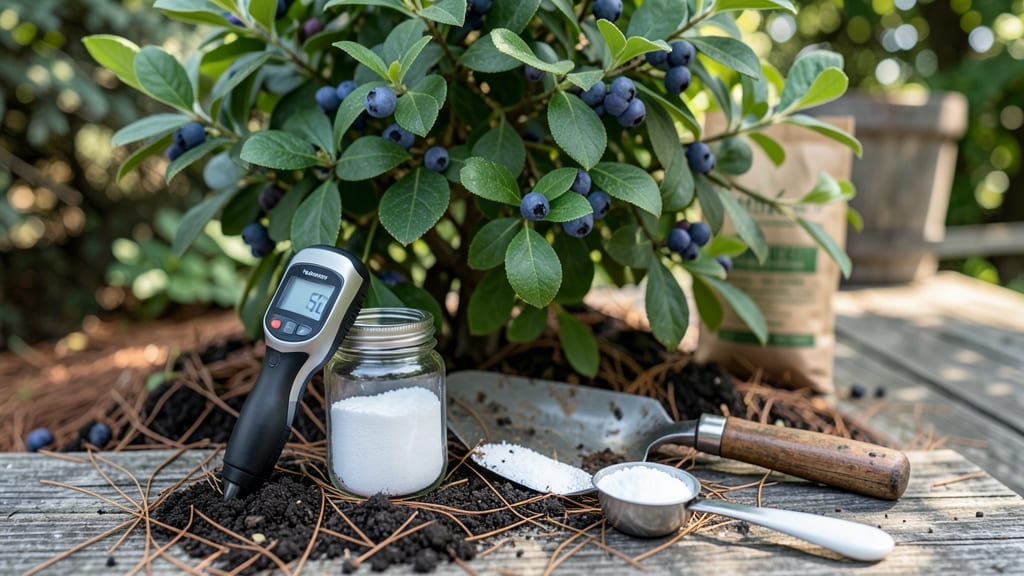
Using baking soda for soil pH increases alkalinity by counteracting acidic compounds, but it must be applied sparingly to highly acidic soil—never to alkaline or neutral soil, as overuse can lock out essential nutrients and damage acid-loving plants like blueberries or rhododendrons.
Baking soda—sodium bicarbonate—works by donating hydroxide ions (OH⁻) to the soil, which directly neutralizes hydrogen ions (H⁺) responsible for acidity. 💫 This chemical reaction raises pH levels, but the effect is temporary without regular maintenance.
The real risk lies in overdoing it: too much baking soda can create a soil environment where key micronutrients like iron and manganese become unavailable, leading to yellowing leaves or poor plant vigor. I've seen gardeners accidentally turn their vegetable beds into nutrient deserts by treating the soil too aggressively.
For best results, test your soil's pH first using a simple kit—aim for a target range based on what you're growing. Most vegetables thrive between 6.0 and 7.0, while acid-lovers like azaleas need 4.5 to 5.5.
When adjusting with baking soda, start with just ½ teaspoon per gallon of water and monitor plant responses closely. Think of it as a fine-tuning tool, not a one-size-fits-all solution.
💡 In This Article
- How Baking Soda Alters Soil Chemistry and Affects Plant Growth
- Safe Application Methods and Plants That Need pH Adjustment
How baking soda alters soil chemistry and affects plant growth
Baking soda (sodium bicarbonate) works as a soil pH adjuster through a simple but powerful chemical reaction. When dissolved in water, it dissociates into sodium ions (Na⁺) and bicarbonate ions (HCO₃⁻), which then break down further into carbonate (CO₃²⁻) and hydroxide ions (OH⁻).
These hydroxide ions are the key players—they react directly with hydrogen ions (H⁺) in acidic soil, forming water (H₂O) and carbon dioxide (CO₂) in the process. This reaction effectively "soaks up" acidity, raising the soil's pH level.
For example, a soil with a pH of 5.0 (highly acidic) might see a jump to 6.0 or 6.5 after treatment, depending on the initial acidity and dosage used. 🔥
The impact on plant growth comes from how this pH shift affects nutrient solubility. In acidic soils, essential nutrients like phosphorus and iron become locked away in forms plants can't absorb.
When baking soda raises pH, it increases the availability of these nutrients—especially phosphorus, which becomes more soluble at slightly alkaline levels (pH 6.0-7.0). However, there's a fine line: pushing pH too high can make other critical nutrients like iron and manganese scarce, leading to yellowing leaves (chlorosis) in plants.
This is why baking soda works best for soils with extreme acidity (below pH 5.5) rather than as a general soil amendment.
Compared to traditional pH adjusters like lime (calcium carbonate) or wood ash, baking soda offers a faster but shorter-lived effect. Lime, for instance, provides long-term pH adjustment by slowly dissolving and releasing calcium and magnesium, while wood ash adds potassium and raises pH quickly but can over-alkalinize if overused.
Baking soda's sodium content also differs from lime's calcium—excess sodium can build up in the soil over time, potentially affecting plant health in sensitive species. For most gardeners, baking soda is best suited for quick fixes in container gardens or small plots where precise control is needed. ✨
One often-overlooked factor is the soil's buffering capacity—the ability to resist pH changes. Sandy soils, with their low organic matter, respond more dramatically to baking soda than clay soils, which have higher buffering capacity due to their mineral content.
This means you might need less baking soda in clay soil to achieve the same pH shift. Always test your soil's pH before and after treatment to avoid overcorrecting, especially in areas where you're growing acid-loving plants like blueberries or hydrangeas.
The visual and physical changes in soil after baking soda application can be subtle but telling. Treated acidic soil may appear slightly lighter in color due to reduced iron solubility, and the texture might feel slightly grittier if sodium ions displace other minerals.
Plants in corrected soil often show improved vigor within weeks, with darker green leaves and stronger stems. However, if you notice crispy leaf edges or stunted growth, it's a clear sign the soil has become too alkaline. 💫
For those curious about the science, think of baking soda as a temporary "band-aid" for soil acidity. While it doesn't add long-term fertility like organic matter or compost, it can create the right pH environment for nutrients to become available.
The key is balance—just enough to shift the pH into the sweet spot for your plants, without tipping the scales too far toward alkalinity. This is why professional gardeners often recommend combining baking soda with organic amendments to build soil health holistically.