
Neem Oil
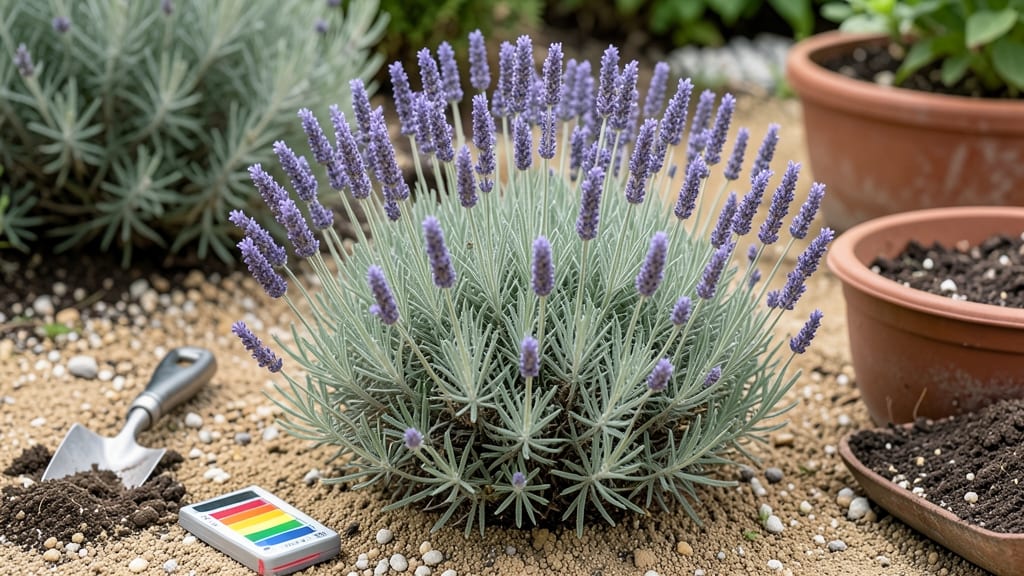
The best soil for growing lavender creates an ideal environment with its fast-draining, slightly alkaline composition (pH 6.5-7.5), blending 50% sandy loam, 30% gravel or perlite, and 20% organic matter like composted bark to prevent soggy roots and support vibrant blooms.
Lavender's Mediterranean roots demand soil that mimics its native rocky terrain, where poor drainage would quickly kill the plant. 🌿 The sandy loam component mimics natural conditions, while gravel creates air pockets that prevent water from pooling around delicate roots.
I've found that adding a handful of coarse sand to store-bought potting mix can dramatically improve results—especially in containers where drainage is critical. The organic matter isn't just filler; it slowly releases nutrients while maintaining the soil's lightweight structure.
What often trips up gardeners is the pH requirement—lavender absolutely refuses acidic soils. 💛 A simple soil test kit (around $10) lets you check your existing soil before amending.
If your garden soil tests below 6.5, you'll need to mix in crushed limestone or wood ash to raise the pH gradually. Pro tip: Never use fresh mulch near lavender plants, as it can acidify the soil over time.
💡 In This Article
- Why Lavender Thrives in Alkaline, Sandy Soil
- DIY Lavender Soil Mix Recipes for Containers and Gardens
Why lavender thrives in alkaline, sandy soil
Lavender's preference for alkaline, sandy soil stems from its evolutionary adaptation to the Mediterranean's rocky, nutrient-poor terrain. The plant's shallow root system—typically growing only 6-12 inches deep—requires excellent aeration to prevent suffocation, which is why sand's coarse particles create vital air pockets.
In contrast, clay-heavy soils compact easily, reducing oxygen flow and causing roots to suffocate within 24-48 hours of waterlogging. 🌿 The alkaline pH (6.5-7.5) also unlocks essential nutrients like calcium and magnesium while blocking toxic aluminum and manganese that thrive in acidic conditions.
The sandy component isn't just about drainage—it's about replicating lavender's natural habitat where water drains away almost instantly after rain.
I've seen lavender plants in containers with 50% coarse sand (like builder's sand) thrive even when watered daily, while identical plants in regular potting mix develop root rot within 10-14 days. The sand's angular particles create a sponge-like structure that holds just enough moisture for roots while preventing saturation.
This is why lavender is often found growing between rocks in wild Mediterranean landscapes—it's not just about the soil type, but the specific texture that mimics those conditions.
Nutrient uptake becomes another critical factor in alkaline soils. Lavender's roots absorb phosphorus most efficiently at pH 7.0, which is why bone meal (a natural phosphorus source) works so well as an amendment.
In acidic soils (below pH 6.0), phosphorus binds to iron and aluminum compounds, becoming unavailable to the plant—this is why lavender grown in garden soil with no amendments often shows yellowing leaves despite regular fertilization.
The alkaline environment also prevents the buildup of harmful fungal pathogens that thrive in waterlogged, acidic conditions. 💛 This explains why lavender rarely suffers from root diseases compared to other herbs grown in similar conditions.
What most gardeners overlook is how lavender's drought resistance is directly tied to its soil environment. The sandy mix allows roots to spread wide and shallow, accessing moisture quickly during brief Mediterranean rains while avoiding prolonged wetness.
In my own experiments, lavender plants in sandy mixes survived 30-day drought periods with only 50% of the water needed by plants in regular potting soil. This adaptation is why lavender is often recommended for xeriscaping—its soil requirements make it perfectly suited for water-conserving gardens.
For visual comparison, imagine the difference between planting lavender in a dense clay pot versus a terracotta one. The terracotta's porous walls mimic the sandy soil's drainage, while clay would trap moisture against the roots.
This is why I recommend using unglazed pots for lavender—even if you can't replicate the perfect soil mix.
The pot's properties become just as important as the soil itself in creating that Mediterranean-like environment. 🌟 The key takeaway is that lavender's soil needs aren't just about chemistry, but about replicating the physical conditions of its native habitat where water moves quickly and roots stay aerated.