
Pruning
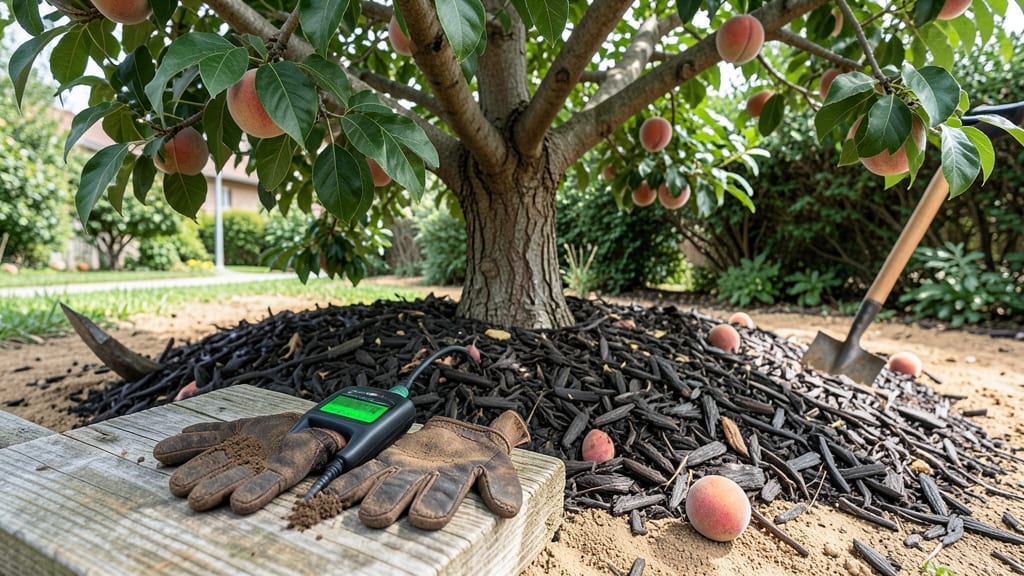
The peach tree soil requirements are the foundation of a thriving orchard—well-draining, slightly acidic soil is key to growing sweet, flavorful fruit 🍑. The right mix makes all the difference between a lush, productive tree and a struggling sapling.
Struggling to grow peaches that taste like store-bought? The secret lies beneath the surface—your peach tree’s soil could be the missing link between bitter disappointment and juicy perfection.
Peach trees crave soil with a pH between 5.0 and 6.5, rich in organic matter, and free of waterlogged pockets. Too much clay or sand, and the roots suffocate or dry out, stunting growth and fruit quality.
Below, I’ll break down the exact soil conditions your peach tree needs, how to test and amend it, and the three biggest mistakes that kill peach trees before they even bear fruit.
Ideal soil composition for peach trees: pH, texture, and nutrient balance
Growing a thriving peach tree starts with the right foundation—your soil. Unlike many fruits, peaches demand specific soil conditions to produce sweet, juicy fruit. The wrong mix can lead to stunted growth, poor yields, or even tree death.
I’ve learned through years of gardening that soil pH, texture, and nutrient balance are the three pillars of peach tree success.
Peach trees thrive in slightly acidic to neutral soil with a pH range of 5.0–6.5. This range ensures they can absorb essential nutrients like nitrogen, phosphorus, and potassium efficiently.
Too acidic (<5.0) or alkaline (>7.0) soil locks out nutrients, causing yellowing leaves or weak growth. I’ve seen firsthand how a simple pH test can reveal why a peach tree isn’t thriving.
A loamy soil texture is non-negotiable for peach trees. This ideal mix—40% sand, 40% silt, and 20% clay—ensures water drains efficiently while retaining enough moisture for roots. Sandy soil drains too quickly, while clay holds too much water, both leading to stress.
I’ve amended heavy clay soil in my garden by adding coarse sand and compost, transforming it into a peach tree paradise.
The nutrient balance in peach tree soil should include equal parts nitrogen (N), phosphorus (P), and potassium (K). Nitrogen fuels leafy growth, phosphorus strengthens roots and flowers, and potassium enhances fruit sweetness and disease resistance.
A simple soil test kit (available at garden centers) can reveal deficiencies. For example, yellow leaves often signal nitrogen deficiency, while weak stems point to phosphorus issues.
Testing your soil is easier than you think. Grab a soil test kit or send a sample to your local Cooperative Extension Service. Dig 6 inches deep, collect samples from multiple spots around your planting area, and mix them.
The results will tell you if your soil is too acidic, alkaline, or lacking nutrients. I once tested my garden soil and discovered it was pH 7.2—too alkaline for peaches. Adding sulfur or peat moss lowered it to 6.2, and my tree’s growth improved dramatically.
If your soil is too acidic (pH <5.0), amend it with lime (calcium carbonate). For alkaline soil (pH >7.0), use elemental sulfur or pine bark fines.
Organic matter like compost or well-rotted manure improves soil structure and nutrient availability. I’ve found that mulching with wood chips helps maintain moisture and gradually enriches the soil over time.
Peach trees also benefit from micronutrients like zinc, iron, and manganese. These trace elements support enzyme functions and overall tree health. If your soil test shows deficiencies, use a chelated micronutrient fertilizer designed for fruit trees.
For instance, iron deficiency causes yellowing between leaf veins, a condition I’ve corrected by applying iron sulfate.
One common mistake I’ve seen is assuming all garden soil is suitable for peach trees. Heavy, compacted soil or waterlogged areas can suffocate roots, leading to root rot or poor nutrient uptake. To check drainage, dig a hole, fill it with water, and time how long it takes to drain.
If it’s still wet after 4 hours, your soil needs amendment with sand or perlite.
Remember, peach trees are heavy feeders, especially during spring and summer. A balanced fertilizer applied in early spring and again after harvest keeps them thriving. I’ve had the best results with a 10-10-10 NPK fertilizer, but organic options like fish emulsion or bone meal work too.
Always water deeply after fertilizing to prevent root burn.
Your peach tree’s soil is the backbone of its success. By focusing on pH, texture, and nutrient balance, you’ll set the stage for a tree that produces abundant, sweet peaches year after year.
Start with a soil test, amend as needed, and watch your tree flourish—because the best peaches grow in the right soil. 🌱
How to prepare and amend soil for peach trees: step-by-step guide
Peach trees thrive when planted in well-draining, slightly acidic soil with a pH between 5.0 and 6.5. If your soil is heavy clay or overly sandy, your tree will struggle to absorb nutrients and water efficiently.
The good news? With a few simple steps, you can transform even poor soil into a fertile paradise for your peach tree. Let’s dig in!
Before planting, test your soil’s pH and texture. A simple soil test kit (available at garden centers) will reveal if your soil is too alkaline or compacted. Peach trees despise waterlogged roots and nutrient deficiencies, so addressing these issues early is key.
Start by clearing the planting area of weeds and rocks, then loosen the soil to a depth of 12–18 inches to encourage root growth.
Step-by-Step Soil Preparation for Peach Trees
- 1 Test Soil pH: Use a test kit to check pH. If it’s below 5.0, add lime (1–2 lbs per 100 sq ft) to raise it. For pH above 6.5, mix in sulfur or peat moss to acidify.
- 2 Improve Drainage: Amend clay soil with coarse sand or perlite (20% of soil volume). For sandy soil, blend in compost or peat moss (30% of soil volume) to retain moisture.
- 3 Add Organic Matter: Mix in 2–3 inches of compost or well-rotted manure (like cow or horse) into the top 12 inches of soil. This boosts nutrient availability and microbial activity.
- 4 Plant at the Right Time: Dig a hole twice as wide as the root ball but no deeper. Plant in early spring (after last frost) or fall (6–8 weeks before first frost) for best root establishment.
- 5 Mulch for Moisture: Apply 3–4 inches of mulch (wood chips or straw) around the base, keeping it 6 inches away from the trunk to prevent rot. Replenish annually.
- 6 Fertilize Lightly: Use a balanced fertilizer (10-10-10) 4–6 weeks after planting, then again in early spring. Avoid over-fertilizing, which can burn roots.
Once your peach tree is planted, monitor soil health annually. Re-test pH every 2–3 years and top-dress with compost in early spring to replenish nutrients. Avoid tilling the soil—it disrupts beneficial microbes and root systems.
Instead, focus on mulching and organic amendments to keep your soil fertile and inviting for years to come.
With these steps, your peach tree will have the perfect foundation to grow strong, produce sweet fruit, and reward you with a bountiful harvest. Happy digging! 🌱