
Container Gardens
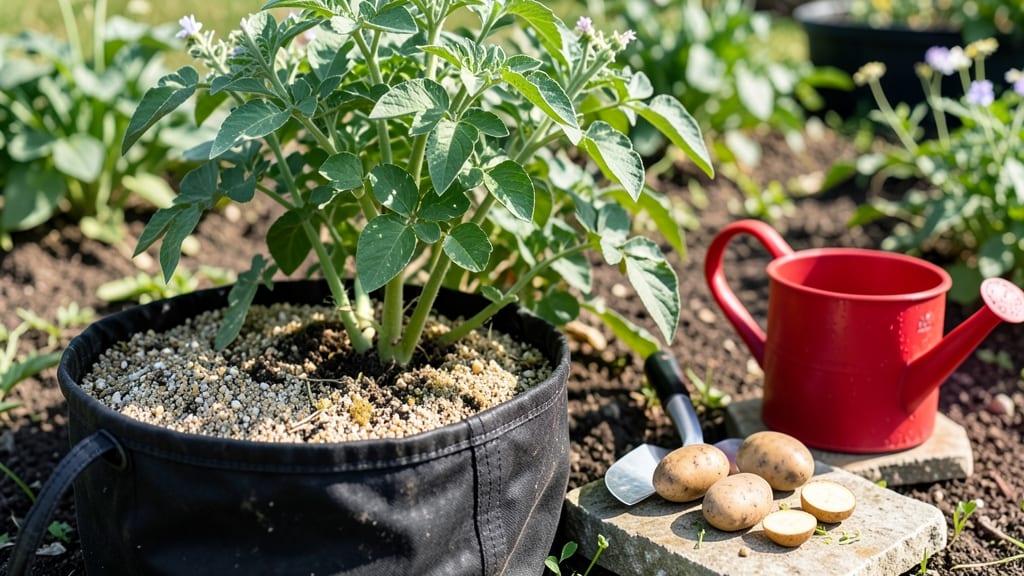
The best soil mix for growing potatoes in bags is all about loose, well-draining layers that mimic perfect hill soil. 🌱 I learned this the hard way after my first bag of potatoes turned into a soggy mess—until I switched to a blend that keeps roots happy and water flowing.
The secret lies in balancing organic matter, grit, and air pockets to prevent rot while feeding hungry tubers.
Start with 60% compost (well-aged, not fresh) for fertility, then mix in 30% coarse sand or perlite for drainage, and finish with 10% peat moss to hold moisture without suffocating roots.
This combo prevents the dreaded "wet rot" that ruins harvests while giving potatoes room to swell. Think of it like a fluffy nest where each tuber has space to grow.
You'll notice the difference immediately—plants stay upright, leaves stay vibrant, and by harvest time, you'll pull out plump, blemish-free potatoes instead of shrunken, misshapen ones. The key is keeping the mix loose and slightly acidic (pH 5.0-6.5), which potatoes love.
Too compact? Add more perlite. Too wet? Mix in extra compost to improve structure.
Works for 5-gallon bags to 50-gallon containers, and the same mix can be reused year after year with a top-dressing of compost. No more guessing—just consistent, reliable harvests every season. Ready to dig in?
Poor Soil Choices Sabotage Growth
When your potato plants in bags struggle to thrive, the soil mix is often the silent villain. Unlike the rich, well-drained earth of a traditional garden, container-grown potatoes demand a precise balance of texture, nutrients, and aeration.
Ignoring these needs leads to stunted tubers, disease, or even total crop failure. Below, we break down the real culprits behind poor potato performance in bags—and how to fix them.
Potatoes hate soggy feet. If your soil mix is too dense (like garden soil or clay-heavy blends), water pools around the roots, cutting off oxygen. This creates the perfect storm for:
- Root rot: Phytophthora and Pythium fungi thrive in waterlogged conditions, rotting tubers before they swell.
- Stunted growth: Without oxygen, roots can’t absorb nutrients efficiently, leading to weak stems and tiny harvests.
- Blight risk: Excess moisture on leaves invites late blight, a fungal disease that turns foliage black and ruins tubers.
Why it happens: Clay, silt, or unamended garden soil compacts easily in bags, reducing pore space by up to 50%. Even "loamy" mixes from the yard may lack the air pockets potatoes need.
Actionable fix: Aim for a soil mix that’s 60–70% air-filled when moist. Fluffy blends like 50% peat moss or coco coir + 30% perlite + 20% compost prevent compaction.
Potatoes are heavy feeders, especially during tuber formation. A soil mix lacking key nutrients leads to:
- Small, misshapen tubers: Low phosphorus (P) or potassium (K) slows cell division in the stolons (the stems that grow into potatoes).
- Pale, watery flesh: Insufficient nitrogen (N) early on results in weak vines, while too much later dilutes starch content.
- Deficiency symptoms: Yellowing leaves (N), purple stems (P), or brown leaf edges (K) signal a hungry plant.
Why it happens: Most store-bought potting mixes are low in phosphorus and potassium—critical for tuber development. Compost alone won’t cut it; potatoes need a balanced fertilizer boost (e.g., 5-10-10 ratio) at planting and mid-season.
Actionable fix: Mix in 1–2 cups of bone meal or greensand per 5-gallon bag at planting. Side-dress with potassium sulfate when flowers appear to encourage tuber bulking.
Bags are prone to drainage disasters. Without proper outflow, excess water flushes nutrients out while suffocating roots. Signs of drainage failure:
- Moldy soil surface: A white, fuzzy coating (mold) means the mix is too moist and lacks porosity.
- Tubers growing above soil: If potatoes emerge from the mix, the roots are gasping for air—a classic sign of poor aeration.
- Slow wilting: Plants in waterlogged soil wilt after the pot feels heavy, not before (unlike thirsty plants).
Why it happens: Fine particles (like sand or vermiculite alone) can clog pores, while organic matter breaks down over time, reducing structure. Bags also retain heat, accelerating microbial activity that depletes oxygen.
Actionable fix: Use a multi-component mix with 20–30% coarse perlite or pumice to create large air pockets. Elevate bags on feet or a rack to improve airflow at the bottom.
Potatoes prefer a slightly acidic to neutral pH (5.0–6.5). Outside this range, essential nutrients become unavailable, even if they’re in the soil. Symptoms of pH imbalance:
- Yellow leaves with green veins: Chlorosis from iron or manganese deficiency (common in alkaline soil, pH >7.0).
- Slow growth despite fertilization: Phosphorus "locks up" in high-pH soil, starving roots.
- Purple undersides on leaves: A sign of phosphorus deficiency, often in acidic soil (pH <5.0).
Why it happens: Most potting mixes start neutral (pH 7.0), but organic amendments (like pine bark) can lower pH over time, while limestone or hard water raises it. Container soils also acidify faster due to microbial activity.
Actionable fix: Test your mix with a soil pH kit. Adjust with:
- For pH >6.5: Add sulfur or peat moss (lowers pH slowly).
- For pH <5.0: Mix in lime or wood ash (raises pH gradually).
Pro tip: 💡 Avoid quick fixes like vinegar—they create toxic pH swings that harm roots.
Fixing Common Potato Bag Growing Mistakes
Potatoes in bags are a gardener’s dream—space-efficient, low-maintenance, and perfect for small yards or balconies. But even the best soil mix can fail if you don’t address common issues head-on. Below, we’ll tackle the most frequent problems with practical fixes and prevention tips to ensure your potato harvest thrives.
Cause: Compacted soil, overwatering, or a mix too heavy with clay or peat can trap moisture, leading to rotten tubers and fungal diseases.
How to Fix It: 🔥 Drainage Upgrade: Swap out dense soil mixes for a loose, aerated blend (think 60% coconut coir or peat moss + 30% perlite or vermiculite + 10% compost). This combo mimics well-draining garden soil while retaining enough moisture for roots.
🍳 DIY Drainage Layer: Before adding soil, line the bottom of your bag with 1–2 inches of gravel, broken pottery shards, or even recycled plastic bottle chunks. This creates a false floor that prevents waterlogging.
👨🍳 Water Smarter: Stick your finger 1–2 inches into the soil before watering. If it’s damp, wait. If it’s bone-dry, give it a thorough soak—then let excess water drain completely. Mulch the top with straw or shredded leaves to slow evaporation and reduce overwatering.
Prevention Tips: ✨ Use breathable bags (fabric grow bags or 5-gallon buckets with drainage holes) to avoid water pooling. 🌡️ Avoid heavy clay pots—they trap moisture longer than plastic or fabric. 🎯 Test your mix: Fill a cup with your soil blend, add water, and pour it into another cup. If water drains in under 30 seconds, your mix is ready. If it pools, add more perlite.
Cause: Nutrient deficiencies (especially nitrogen or phosphorus), overcrowded roots, or insufficient sunlight can stunt potato plants, leaving you with pebble-sized tubers instead of harvest-worthy spuds.
How to Fix It: 🔥 Boost Nutrients: Feed your plants every 3–4 weeks with a balanced fertilizer (10-10-10 or 5-10-10). For a natural boost, mix in composted manure or worm castings at planting time.
🍳 Prune Aggressively: If your plant looks leggy, trim the foliage by ⅓ to redirect energy to tuber growth. Remove any yellow or diseased leaves immediately.
👨🍳 Deep Mulch: Pile 6–12 inches of straw or grass clippings around the base of the plant (but not touching the stems). This hills the soil naturally, encouraging more tuber formation underground.
Prevention Tips: ✨ Start with certified seed potatoes—disease-free tubers mean stronger plants. 💡 Space plants 6–12 inches apart in the bag to avoid root competition. 🌞 Place bags in full sun (6+ hours/day)—potatoes are hungry for light!
Cause: Wireworms, Colorado potato beetles, blight, or scab thrive in damp, crowded conditions. Without intervention, they’ll devour your crop before harvest.
How to Fix It: 🔥 Preventive Sprays: Mix 1 tbsp neem oil + 1 tsp dish soap in a gallon of water and spray foliage weekly. For fungal issues, try a baking soda spray (1 tsp baking soda + 1 quart water + a drop of soap).
🍳 Physical Barriers: Row covers (floating fabric) deter beetles, while diatomaceous earth (food-grade) kills wireworms. Sprinkle it lightly around the base of plants.
👨🍳 Crop Rotation Hack: If reusing bags, sterilize the soil with a 20-minute bake in the oven (200°F) or solarize it by leaving bags in full sun for a week with clear plastic wrapped around them.
Prevention Tips: 🔪 Harvest promptly—don’t let potatoes linger in the soil past maturity (they’re more vulnerable to pests then). 🌡️ Avoid overhead watering—it spreads fungal spores. Water at the base instead. ✨ Plant trap crops like radishes or nasturtiums nearby to distract pests from your potatoes.
Cause: Cheap plastic bags crack under pressure, and fabric bags degrade if not cared for properly.
How to Fix It: 🔥 Upgrade Your Bag: Use heavy-duty fabric grow bags (like those from Gardener’s Supply) or 5-gallon buckets with drainage holes. For a budget fix, double-layer plastic bags with a sturdy outer bag.
🍳 Reinforce Weak Spots: If your bag is splitting, patch it with duct tape or burlap strips secured with twine. For fabric bags, sew a reinforcing seam along stress points.
👨🍳 Elevate and Secure: Place bags on pallets or cinder blocks to prevent cracking from ground pressure. Use zip ties or straps to anchor them to a fence or trellis if needed.
Prevention Tips: ⏰ Rotate bags seasonally—don’t reuse the same container for multiple years without refreshing the soil. 🎯 Choose UV-resistant materials—some fabric bags degrade faster in sunlight. 💡 Start small—if your bag is too big, the soil stays loose longer, reducing stress on the container.
Final Pro Tip: 🌟 Keep a garden journal! Note what worked (and what didn’t) in each bag. Adjust your soil mix, watering, or fertilization based on last year’s successes—and failures. Happy growing!
Frequently asked questions about growing potatoes in bags
Can I reuse the same soil mix for multiple potato harvests?
Yes, but only if you refresh it properly! After the first harvest, remove any remaining plant debris and mix in 20-30% fresh compost to replenish nutrients. For disease prevention, add 1 cup of perlite per 5-gallon bag to improve aeration. Avoid reusing soil without amendments—potatoes deplete phosphorus and potassium quickly.
What's the best bag size for growing potatoes?
For 5-gallon bags, plant 1-2 seed potatoes and expect 6-12 small potatoes per bag. 10-gallon bags can handle 2-3 seed potatoes for 12-20 potatoes, while 50-gallon bags support 5-6 seed potatoes yielding 50+ potatoes. Remember: larger bags need more soil mix and frequent watering.
How do I know when my bag soil mix is too dense?
Test it with the "squeeze test": Grab a handful of moist mix—if it holds its shape when squeezed, it's too compact. The ideal mix should crumble easily between fingers. If your mix compacts, add 20% more perlite or coarse sand and mix thoroughly. Dense soil prevents tuber formation and invites rot.
Can I grow potatoes in bags without adding sand?
Sand isn't essential if you use perlite or vermiculite instead. A mix of 50% coco coir + 30% perlite + 20% compost works perfectly. Perlite creates the same air pockets as sand but lasts longer. Just ensure your mix drains water in under 30 seconds when tested in a cup.
What's the best way to store my homemade soil mix?
Keep it in a dry, covered container (like a plastic bin with a lid) in a cool, dark place. For long-term storage, add 1 part dry compost to stabilize moisture levels. Avoid storing near chemicals or in direct sunlight—organic mixes can dry out or develop mold if exposed to heat or humidity.