
Orchid Care
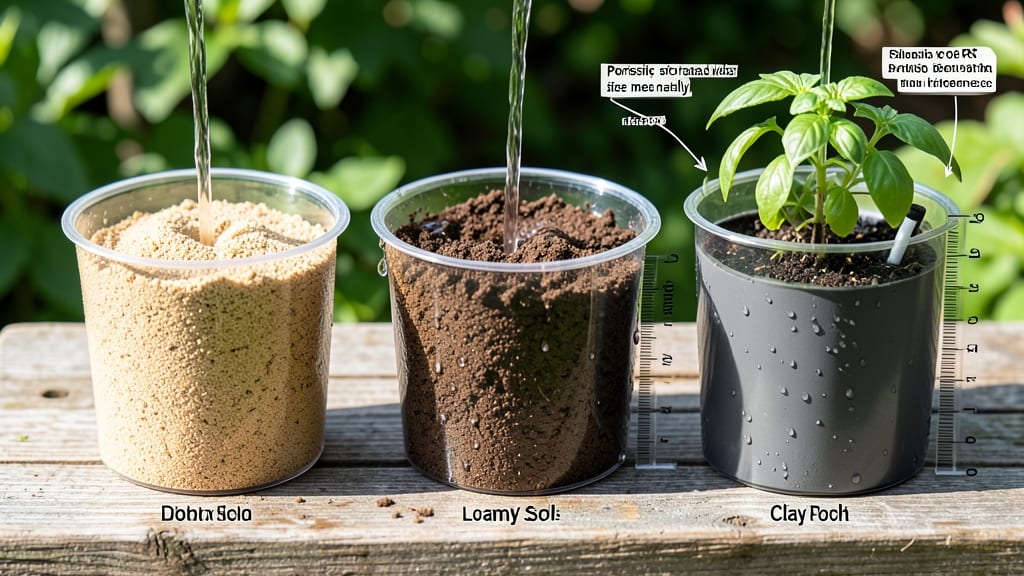
Which type of soil drains water most easily? Coarse sand and gravel do, because their large particle sizes create wide air pockets, allowing excess moisture to flow quickly through the soil rather than pooling around plant roots. These materials are ideal for preventing waterlogging in gardens and containers.
This drainage power comes from how these materials let water move freely through their structure. 💫 Unlike fine soils like clay, which trap water between tightly packed particles, coarse textures let moisture sink down instead of sitting around roots.
I’ve seen how adding 20% gravel to potting mixes transforms soggy soil into a well-aerated growing medium—perfect for orchids or drought-tolerant plants that hate soggy feet.
For gardeners, this means fewer root rot problems and happier plants that thrive in drier conditions. The trade-off? These soils hold fewer nutrients, so you’ll need to fertilize more often. But for containers or sandy climates, they’re a game-changer.
💡 In This Article
- How Soil Particle Size Affects Water Drainage
- Best Uses for Fast-Draining Soils in Gardening
How soil particle size affects water drainage
Soil drainage works like a plumbing system where particle size determines the pipe diameter. Coarse materials like sand and gravel have gaps between particles that can be 10-100 times larger than those in clay soil.
These wide spaces create what scientists call "macropores"—large air pockets that let water rush through instead of getting trapped. Imagine pouring water through a colander versus a fine mesh strainer: the colander drains instantly, while the strainer holds water back.
The physics behind this involves two key concepts: permeability (how easily water moves through soil) and capillary action (how water clings to particles).
Clay particles are so tightly packed that water gets stuck between them through capillary forces, while sand's rougher surface and larger gaps let gravity pull water downward. 🌊 For example, a 2mm gravel particle creates voids that can hold 30-40% air by volume—this porosity is why gravelly mixes are used in French drain systems.
Loam soil (the ideal gardening mix) falls in the middle with a balanced mix of sand, silt, and clay. Its 25-40% porosity retains some moisture while still allowing drainage.
But when you compare it to pure sand, which has 45% porosity, the difference becomes clear: sand drains 5-10 times faster than loam. This is why beach sand feels dry even after rain—water moves through it so quickly it doesn't have time to pool.
Particle shape matters too. Angular gravel creates more irregular voids than rounded sand, which can actually slow drainage slightly. That's why horticultural gravel mixes often combine different textures to optimize both drainage and aeration.
For instance, a 50-50 mix of sharp river gravel and coarse sand gives you the best of both worlds: rapid drainage with some moisture retention for plant roots.
What most people don't realize is how temperature affects this process. Cold water moves 20% slower through soil than warm water, which is why winter drainage often feels worse—water lingers longer in fine soils.
In contrast, coarse materials maintain their fast-drainage properties year-round because their large pores aren't affected by seasonal temperature shifts. 🌡️
For visual learners, think of soil like a sponge: clay is a dense microfiber towel that soaks up water and holds it tight, while sand is like a coarse loofah that lets water pass right through.
This structural difference explains why coastal gardens thrive on sandy soils while inland areas with clay need raised beds or amendments to prevent waterlogging.
Understanding these mechanics helps you troubleshoot drainage issues. If your potting mix feels like wet cement after watering, you're likely dealing with too much silt or clay. The solution?
Amend with 30-50% perlite or coarse sand to create those crucial macropores. This simple adjustment can transform a death sentence for plants into a thriving environment.