
Vegetables
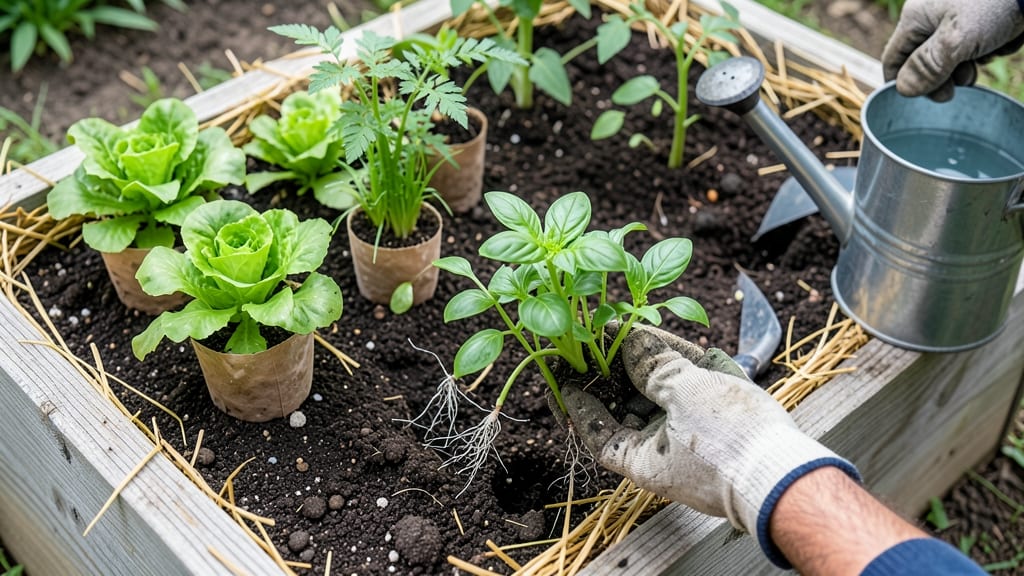
For a vegetable garden raised bed, the best soil mix combines 60% topsoil, 30% compost, and 10% perlite or coarse sand to create an ideal growing medium that supports strong root development and nutrient availability.
The perfect raised bed soil isn't just dirt—it's a carefully balanced ecosystem designed to meet your plants' needs. 🌱 This mix gives vegetables the ideal combination of nutrients, moisture retention, and airflow. The topsoil provides structure, while compost introduces essential microbes and organic matter that feed roots over time.
Perlite or sand prevents compaction, which is crucial for root crops like carrots and potatoes that need room to grow downward. I've found that adjusting ratios slightly can make a big difference for specific plants—leafy greens love a slightly nitrogen-rich blend, while fruiting plants thrive with extra phosphorus.
One common mistake is using pure garden soil, which can become too dense and limit oxygen flow to roots. The perlite or sand component is what truly sets this mix apart, creating pockets of air that help prevent root rot.
For organic gardeners, substituting worm castings for some of the compost can further boost microbial activity, creating an even more vibrant growing environment.
💡 In This Article
- Why Loam-Based Soil Mixes Outperform Generic Garden Soil
- DIY Raised Bed Soil Mix Recipes for Different Vegetables
Why loam-based soil mixes outperform generic garden soil
Loam-based mixes excel because their balanced texture—typically 40% sand, 40% silt, and 20% clay—creates ideal conditions for root growth. This ratio holds moisture without becoming waterlogged while allowing oxygen to reach roots, preventing suffocation.
The silt particles act like tiny sponges, storing nutrients and releasing them gradually, while the sand and clay particles create air pockets that support beneficial microbial activity.
Compost plays a critical role by introducing organic matter that improves soil structure over time. A 30% compost addition adds essential microbes, earthworms, and nutrients like nitrogen, phosphorus, and potassium. These microbes break down organic material into plant-available forms, creating a self-sustaining ecosystem.
Without compost, garden soil often lacks the microbial diversity needed for optimal plant health. The 10% perlite or sand further enhances drainage and prevents compaction, which is especially important for root vegetables.
This mix outperforms generic garden soil because it's engineered for raised beds' unique conditions. Standard garden soil tends to be heavier and more compacted, especially after years of foot traffic. In raised beds, the soil stays loose and well-aerated, allowing roots to expand freely.
The perlite or sand component is particularly valuable—it prevents the soil from becoming too dense, which would restrict root growth and lead to poor nutrient uptake. For example, carrots and potatoes need loose soil to grow straight and avoid deformities.
Another advantage is the pH balance. Loam-based mixes typically have a neutral pH (6.0-7.0), which is ideal for most vegetables. The compost helps buffer pH fluctuations, while the perlite prevents acid buildup from decomposing organic matter.
This stability ensures nutrients remain available throughout the growing season. For instance, tomatoes thrive in slightly acidic soil (6.2-6.8), while leafy greens prefer a more neutral range (6.5-7.0).
Consider the sensory differences: A well-mixed raised bed soil feels crumbly and light, almost like a moist sponge. When you squeeze it, it holds together slightly but crumbles easily—a sign of good structure. In contrast, compacted garden soil feels dense and sticky, making it difficult for roots to penetrate.
The loam mix also warms up faster in spring, giving plants a head start. This is why many gardeners swear by raised beds—they provide a controlled environment where plants can thrive without the limitations of ground soil.
For organic gardeners, substituting worm castings for half the compost can further enhance microbial activity. Worm castings are packed with beneficial bacteria and fungi that improve nutrient cycling. They also have a milder scent than fresh compost, which some gardeners prefer.
The key is to avoid over-amending with fresh manure, as it can burn plant roots due to high ammonia levels. Instead, well-aged compost or worm castings provide a gentler, more consistent nutrient release.