
How To
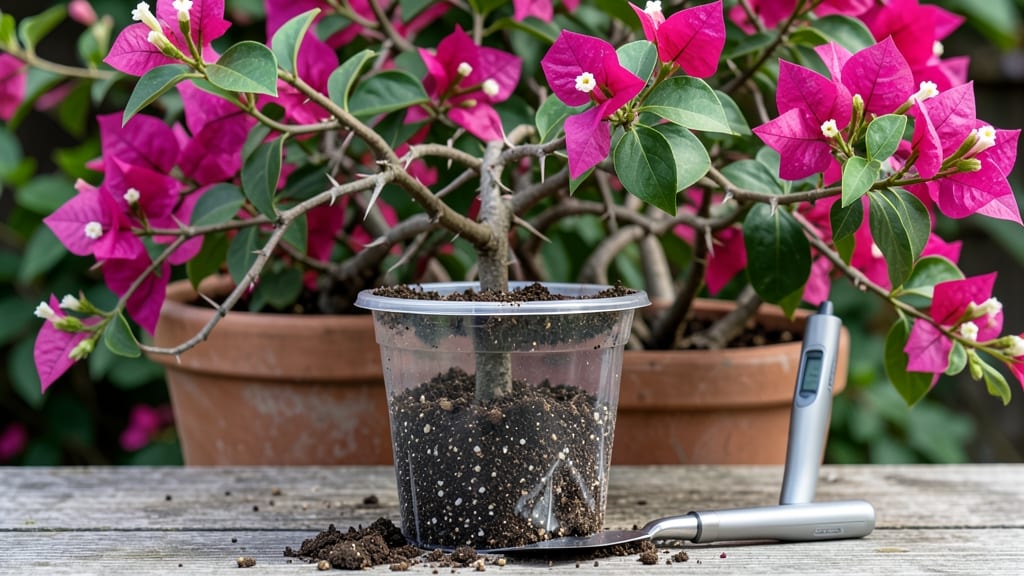
The secret to bougainvillea soil mixture is fast-draining loam—the difference between vibrant blooms and a sad, waterlogged mess. 🌿 I learned this the hard way when my first bougainvillea turned into a sad, droopy plant after just one overwatering session.
The key isn’t just any soil—it’s a mix that mimics the plant’s natural, rocky Mediterranean habitat.
Start with equal parts cactus/succulent mix, coarse sand, and perlite—this combo ensures water drains quickly while still holding enough moisture to keep roots happy. A slightly acidic to neutral pH (6.0-7.0) works best, and adding a handful of compost gives those roots the nutrients they crave without suffocating them.
The goal? Soil that feels like a dry, crumbly cake—never sticky or soggy.
Once mixed, your bougainvillea will reward you with bold, paper-like blooms that last all season. The plants thrive when they’re slightly thirsty—water only when the top inch of soil feels bone-dry, and you’ll avoid the root rot that kills so many bougainvilleas.
A well-draining pot with drainage holes is non-negotiable; these plants hate wet feet.
Pro tip: Refresh the mix every 1-2 years—over time, organic matter breaks down and compacts, slowing drainage. If you notice yellowing leaves or blackened stems, it’s time to repot into fresh mix. With the right soil, your bougainvillea will bloom like it’s on vacation in a sun-drenched coastal garden.
📚 In This Guide
- What you need
- Instructions
- Tips and common mistakes
- Wrapping up and next steps
What you need
- ● Garden loam or topsoil: 50% of the mix (2 parts). Choose a well-aged, nutrient-rich loam.
- ● Perlite or pumice: 20% of the mix (1 part). Boosts aeration and drainage.
- ● Coarse sand: 20% of the mix (1 part). Use builder’s sand (not fine beach sand).
- ● Compost or worm castings: 10% of the mix (½ part). Adds organic matter and nutrients.
- ○ Optional nutrient boost: A handful of osmocote or slow-release fertilizer (mixed into the compost).
- ● Garden gloves (to protect your hands from grit).
- ● Wheelbarrow or large bucket (for mixing).
- ● Garden shovel or trowel (for amending existing soil).
- ○ pH testing kit (optional but helpful—bougainvillea thrives in 6.0–7.5 pH).
- ● Container or raised bed (if growing in pots, ensure drainage holes are present!).
How to create the perfect bougainvillea soil mix for fast-draining growth
This blend ensures your bougainvillea thrives with vibrant blooms by preventing root rot and encouraging strong growth.
🌱 Step 1: Gather the Core Components
Start with equal parts of cactus/succulent mix and perlite—this creates the essential fast-draining foundation bougainvilleas crave. I like to use one part coarse sand (like horticultural-grade grit) to further improve aeration. Avoid garden soil—it compacts and suffocates roots, leading to yellowing leaves and stunted growth.
For four 1-gallon containers, you’ll need 2 cups of cactus mix, 2 cups of perlite, and 1 cup of coarse sand. Mix these dry ingredients first in a large bucket or wheelbarrow. The goal is to break up any clumps in the cactus mix while ensuring the perlite and sand distribute evenly. Bougainvilleas hate soggy roots, so this dry blend is critical.
🌿 Step 2: Add Organic Matter for Nutrient Balance
Incorporate one part compost or worm castings into the dry mix—this provides essential nutrients without altering drainage. Too much organic matter can hold moisture, so stick to 20% of the total volume. I sift the compost through a fine mesh to remove any large chunks that could compact over time.
Gently fold the compost into the dry ingredients using a garden fork or trowel. You’ll see the mix become slightly darker and smell earthy. This step ensures your bougainvillea gets the nutrients it needs while maintaining the fast-draining properties. Overwatering is the #1 killer of bougainvilleas, so this balance is non-negotiable.
💧 Step 3: Test and Adjust Moisture Retention
Fill a small container with your mixed soil and add water until it’s evenly moist but not dripping. Let it sit for 10 minutes, then squeeze a handful. If water beads up on the surface or the mix feels damp to the touch, add more perlite or coarse sand to improve drainage. The ideal mix should feel slightly gritty and release excess water immediately.
Here’s the thing—bougainvilleas thrive in well-draining soil that dries out between waterings. If your mix holds moisture too long, roots will suffocate. I like to test the final blend by pouring water into a container filled with the mix. It should drain completely within 2-3 minutes—any slower, and you’ll need to add more perlite.
✂️ Step 4: Prepare Pots or Garden Beds
If planting in containers, ensure they have drainage holes—bougainvilleas despise wet feet. Line the bottom of each pot with 1-2 inches of gravel or broken pottery to create an additional drainage layer. This prevents water from pooling at the roots, which can cause fungal diseases like root rot.
For in-ground plantings, amend the native soil with your custom mix in a 1:1 ratio for the top 12 inches of the planting hole. Bougainvilleas often struggle in heavy clay, so this adjustment mimics their natural, rocky habitats. Water the amended soil lightly before planting to help it settle.
☀️ Step 5: Plant and Maintain for Optimal Growth
Place your bougainvillea in the prepared soil, ensuring the root ball sits slightly above the container’s rim to prevent water from pooling during irrigation. Backfill with your custom mix, pressing gently to eliminate air pockets. Water thoroughly only after planting—this helps the soil settle around the roots without oversaturating.
After the initial watering, let the top 1-2 inches of soil dry completely before watering again. Bougainvilleas are drought-tolerant once established, so deep, infrequent watering encourages strong root growth. You’ll know you’ve got it right when new growth appears within 4-6 weeks—that’s your sign the mix is working perfectly.
Tips & tricks for perfect bougainvillea soil mix
These essential insights will help you create the ideal blend that keeps bougainvilleas blooming beautifully.
Drainage Test Precision: When testing moisture retention in Step 3, use a clear container so you can visually monitor the water drainage. The mix should drain completely within the 2-3 minutes specified—any slower indicates you need to add more perlite or coarse sand. I've learned this the hard way after watching roots rot from over-retaining moisture in my first attempt. The goal is a gritty texture that releases water immediately, not a damp sponge.
Compost Consistency Matters: For Step 2, use well-aged compost that's been sifted to remove large chunks—this prevents compaction in your mix. I recommend worm castings for their gentle nutrient release, but avoid fresh manure or leaf mold, which can introduce pathogens. The 20% organic matter guideline is strict for a reason: too much will disrupt the fast-draining properties we're working so hard to create.
Container Preparation: In Step 4, don't overlook the gravel layer at the bottom of containers—this creates a crucial air gap that prevents water from pooling against the drainage holes. I've seen bougainvilleas develop root rot even with drainage holes because the gravel layer was skipped. Use clean, coarse gravel or broken pottery pieces about 1-2 inches deep to maximize this protective barrier.
Post-Planting Care: After planting in Step 5, resist the urge to water immediately unless the soil feels completely dry. The initial watering should only happen after planting to settle the soil around roots. Let that top 1-2 inches dry completely before your next watering—this mimics the plant's natural drought-resistant habits and prevents overwatering, which is the silent killer of bougainvilleas.
Pro Tips for Bougainvillea Soil Mixture
- These essential insights will help you create the ideal blend that keeps bougainvilleas blooming beautifully.
- Drainage Test Precision: When testing moisture retention in Step 3, use a clear container so you can visually monitor the water drainage.
- Compost Consistency Matters: For Step 2, use well-aged compost that's been sifted to remove large chunks—this prevents compaction in your mix.
Frequently asked questions
about bougainvillea soil mixtures—because even the toughest gardeners need a little clarity!What’s the best ratio for a DIY bougainvillea soil mix at home?
A simple, effective blend is 60% cactus/succulent mix, 20% perlite or pumice, and 20% coarse sand or grit. This ensures fast drainage while retaining enough moisture for roots. For containers, add 10% compost to boost nutrients without compacting the mix.
How often should I repot bougainvillea if I’m using a fast-draining mix?
Repot every 2–3 years or when roots outgrow the container. Signs it’s time: roots circling the pot’s edge or soil drying too quickly (within hours). Spring is ideal—bougainvillea thrives with fresh soil and warm weather ahead!
Can I use regular garden soil for bougainvillea?
No—never!
Regular soil compacts easily, leading to root rot. Bougainvillea needs well-aerated, gritty soil to mimic its native rocky habitats. Mix in 50% sand or perlite to mimic ideal conditions, or use a cactus/succulent blend as a base.
Why are my bougainvillea leaves turning yellow even with the right soil mix?
Yellowing leaves often signal overwatering or nutrient deficiency. Let the top 2–3 inches of soil dry between waterings, and fertilize lightly with a balanced, water-soluble fertilizer (10-10-10) every 4–6 weeks in growing season. Check for pests too!
Does bougainvillea soil mix work in cold climates?
Bougainvillea is tropical—it won’t survive frost! In cold zones, grow it in containers and move indoors during winter (keep soil slightly moist but not soggy). Use the same fast-draining mix, but reduce watering when temperatures drop below 50°F (10°C).
Wrapping up and next steps
Creating the perfect bougainvillea soil mixture is your secret weapon for stunning, long-lasting blooms! With the right blend of fast-draining loam, perlite, and compost, you’ll give your plant the ideal environment to thrive—no guesswork needed. 🌸
Now that you’re armed with the knowledge, it’s time to roll up your sleeves and transform your garden. Grab your materials, mix with confidence, and watch your bougainvillea reward you with vibrant, healthy growth. Happy gardening! 🌱