
Neem Oil
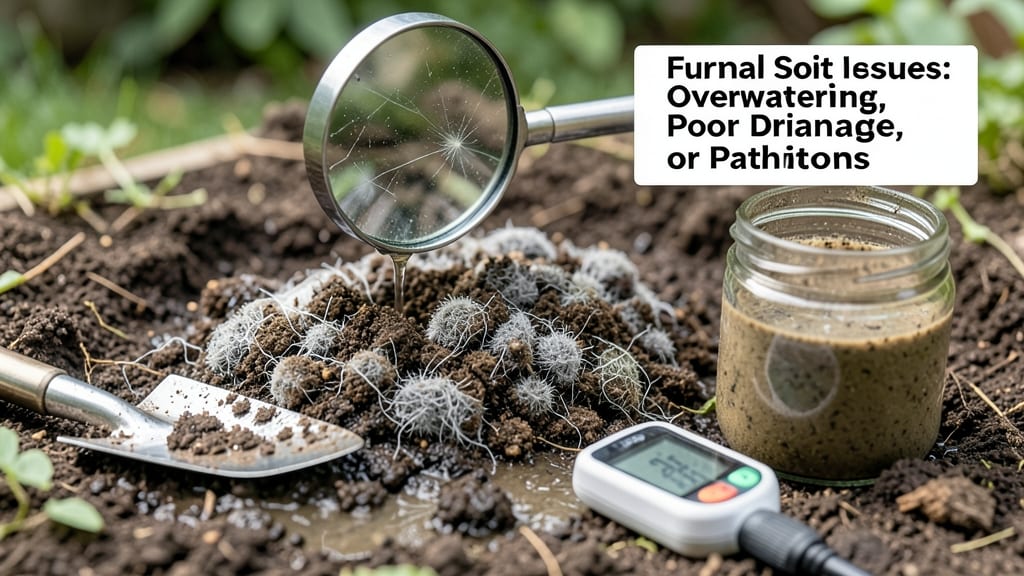
That brown soil fungus creeping through your garden beds isn’t just unsightly—it’s silently rotting roots and stunting plants. 🌱 I’ve battled Rhizoctonia and Pythium in my own garden, and neem oil isn’t just a remedy—it’s the first line of defense when your soil looks like damp coffee grounds and plants wilt despite regular watering.
The culprits? Too much moisture, poor drainage, or old organic matter acting like a fungus buffet. I’ve seen healthy seedlings collapse overnight when the soil stays soggy for days.
The key is acting fast—neem oil disrupts fungal growth, while hydrogen peroxide gives a quick kill on contact, but only if you catch it early.
By the end of this, you’ll spot the difference between harmful fungus and helpful mycorrhizae (yes, some soil fungi are good!).
A few sprays of neem oil mixed with proper drainage fixes can revive struggling plants in as little as 2 weeks, and your soil will stay cleaner for seasons to come.
Whether you’re dealing with raised beds or in-ground plots, these steps work for any garden—no fancy equipment needed. Let’s get your soil back to healthy, not hospitable for fungus.
Rooting Causes Of Soil Fungus
Brown soil fungus—often the sneaky culprit behind wilting plants, stunted growth, and that off smell in your garden—doesn’t just appear out of nowhere. It thrives when specific conditions align, turning your soil into a fungal buffet.
Understanding why it happens is the first step to stopping it in its tracks. Let’s break down the key triggers, from environmental factors to gardening habits that invite trouble.
Fungi love heat + moisture—it’s like their version of a tropical vacation. When soil stays consistently warm (above 70°F) and soggy for extended periods, fungal spores wake up, multiply, and feast on organic matter. Here’s why this happens:
- Poor drainage: Clay-heavy or compacted soil traps water, creating anaerobic (low-oxygen) zones where fungi thrive. Actionable fix: Test your soil’s drainage—if water pools after 6+ hours, amend with perlite or sand.
- Excessive irrigation: Overwatering—especially with sprinklers—keeps the topsoil damp longer than necessary. Pro tip: Water deeply but infrequently (1–2 inches per week) and avoid wetting foliage.
- Mulch overload: Thick mulch layers (over 3 inches) can smother soil, trapping heat and moisture. Balance it: Use 2-inch layers of organic mulch (like straw) and keep it 6 inches away from plant stems.
Leaves, grass clippings, and plant waste aren’t just “garden trash”—they’re fungal buffets. As organic matter decomposes, it releases sugars and cellulose, which fungi devour like all-you-can-eat salads. The problem worsens when:
- Debris piles up: Old plant material (especially diseased leaves) provides a perfect breeding ground. Solution: Remove fallen leaves and weeds promptly—compost only healthy plant matter.
- Improper composting: Hot, anaerobic compost piles (where oxygen is low) become fungal hotspots. Fix: Turn compost regularly and keep it aerated.
Healthy plants repel fungus like a bouncer at a club. But when plants are stressed—due to nutrient deficiencies, pests, or physical damage—their defenses drop, making them easy targets. Common stressors include:
- Nitrogen deficiency: Plants low in nitrogen (yellowing leaves) produce weaker cell walls, inviting fungal invasion. Boost it: Use a balanced fertilizer (10-10-10) or compost tea.
- Pest damage: Bugs like aphids or root maggots create entry points for fungi. Prevent it: Monitor plants regularly and treat pests with neem oil before they cause harm.
- Transplant shock: Newly planted or recently moved plants are vulnerable. Help them recover: Water deeply after transplanting and avoid fertilizing for 2 weeks.
Soil isn’t just dirt—it’s a delicate ecosystem. Disrupt the pH or microbial balance, and fungi move in like squatters. Key imbalances include:
- High acidity (low pH): Most fungi prefer slightly acidic to neutral soil (pH 6.0–7.0). If your soil is too acidic (pH <5.5), beneficial microbes struggle, and pathogens take over. Test and adjust: Use lime to raise pH gradually.
- Chemical buildup: Overuse of synthetic fertilizers or pesticides can kill beneficial microbes, leaving fungi unchecked. Switch to: Organic amendments like compost or worm castings.
Stagnant air = fungal paradise. When plants are crowded or shaded too much, humidity lingers, and spores spread effortlessly. Look for these red flags:
- Overcrowded plants: Leaves brushing against each other trap moisture. Space them out: Follow plant tags for spacing guidelines (e.g., tomatoes need 18–24 inches apart).
- Dense mulch or thick ground cover: Blocks airflow at soil level. Lighten it up: Use straw or pine needles instead of heavy mulch.
💡 Key Takeaway: Brown soil fungus isn’t random—it’s a response to specific conditions you can control. The good news? Fixing one or two of these issues often stops the problem before it starts. Next up: How neem oil disrupts the fungal life cycle.
Treat and Prevent Soil Fungus Naturally
Fungal issues in soil—like brown, mushy roots or stubborn mold—can feel overwhelming, but with the right approach, you can restore healthy soil and protect your plants without harsh chemicals. Below, we break down targeted fixes based on the root cause, plus preventive steps to keep your garden thriving.
If your soil looks damp, smells musty, or has visible brown patches (a sign of root rot or fungal blooms), act fast with these neem oil-based solutions:
1. 🍳 Boost Soil Drainage & Aeration
Cause: Compacted, waterlogged soil traps moisture, creating the perfect fungal breeding ground. Fix: - Loosen the soil with a garden fork or tiller to improve airflow.
Aim for 6–12 inches deep for roots to breathe. - Add organic matter: Mix in compost, coconut coir, or perlite (1 part organic matter to 3 parts soil) to enhance drainage. - Raise beds or mounds for heavy clay soils—elevate plants slightly to prevent water pooling.
💡 Pro Tip: Test your soil’s drainage by digging a 6-inch hole, filling it with water, and timing how long it takes to drain. Ideal time: 4–6 hours. Faster = good; slower = amend now.
2. 👨🍳 Apply Neem Oil Fungicide (Safe & Effective)
Cause: Fungal spores thrive in warm, damp conditions.
Neem oil disrupts their cell membranes while being non-toxic to plants (when used correctly). Fix: - DIY Neem Oil Spray: - Mix 1 tbsp neem oil + 1 tsp mild soap (as an emulsifier) + 1 quart water. - Stir well and spray directly on soil (especially around roots) and plant foliage. - Reapply every 7–10 days until symptoms fade. - Soil Drench for Deep Treatment: - Use 2 tbsp neem oil per gallon of water and pour it slowly into the soil at the base of infected plants.
This targets underground fungi.
✨ Bonus: Add 1 tsp baking soda to the spray for extra antifungal power (but avoid overusing—it can alter soil pH).
3. 🥘 Introduce Beneficial Microbes & Fungi
Cause: Healthy soil has a balance of microbes that outcompete harmful fungi.
Disruptions (like overwatering or chemicals) tip the scales. Fix: - Add mycorrhizal fungi: Purchase a mycorrhizal inoculant powder (like Great White or MycoApply) and sprinkle it into the soil before planting.
This helps roots absorb nutrients and fend off pathogens. - Use compost tea: Brew aerated compost tea (steep compost in water for 24–48 hours, then strain) and water your plants with it.
The beneficial bacteria crowd out bad fungi. - Plant companion crops: Interplant with garlic, chives, or marigolds—their natural antifungal properties deter soil-borne diseases.
4. ⏰ Adjust Watering Habits
Cause: Overwatering or poor irrigation practices create soggy conditions where fungi love to grow. Fix: - Water deeply but infrequently: Aim for 1–1.5 inches per week (including rain).
Use a soaker hose or drip irrigation to deliver water at the roots, avoiding wet foliage. - Water in the morning: This allows leaves to dry quickly, reducing humidity around plants. - Check moisture levels: Stick your finger 2 inches into the soil—if it’s damp, wait before watering again.
🌡️ Watch Out: Fungal growth peaks in 70–85°F soil temps. If your area is humid, mulch with straw or wood chips to regulate moisture and temperature.
Stop fungal issues before they start with these low-effort habits:
| Problem | Prevention Fix | How to Do It |
|---|---|---|
| Poor drainage | Amend soil with sand/compost | Mix 20% coarse sand or perlite into clay soil. |
| Overcrowded plants | Space plants properly | Follow seed packet spacing guidelines. |
| Old mulch buildup | Refresh mulch annually | Remove old mulch, fluff soil, then reapply. |
| Chemical residue | Use organic fertilizers | Switch to compost or fish emulsion. |
| Weak plant immunity | Strengthen with foliar sprays | Spray neem oil + seaweed extract monthly. |
If your plants are severely stunted, wilting, or covered in mold despite treatment:
- Remove infected plants (don’t compost them—bag and discard).
- Sterilize tools with rubbing alcohol between uses.
- Consider fungal-specific granules (like Serenade Garden or MycoStop) for stubborn cases.
Remember: Soil fungus is manageable with patience and prevention. Start with neem oil + drainage fixes, then layer in beneficial microbes for long-term health. Your garden’s roots will thank you! 🌱
Frequently asked questions
How can I tell if brown soil fungus is harming my plants?
Look for mushy brown roots, wilting despite proper watering, or a musty smell when soil is damp. Check for dark brown patches on stems near the soil line—this is where root rot often starts. Healthy roots should be firm and white.
Will neem oil kill beneficial soil fungi like mycorrhizae?
No—neem oil targets harmful pathogens while leaving beneficial fungi like mycorrhizae intact. The key is proper dilution (1 tbsp per quart of water) and avoiding overuse. Mycorrhizal fungi actually help plants resist stress, so they’re your allies!
How long does it take to see results after treating brown soil fungus?
With neem oil and drainage fixes, you should see improvement in 7–14 days for new growth. Stubborn cases may take up to 30 days—consistency is key. Monitor plant recovery and reapply treatments if symptoms persist.
Can I use hydrogen peroxide instead of neem oil for soil fungus?
Yes! Mix 1 part 3% hydrogen peroxide to 10 parts water and apply as a soil drench. It kills fungi on contact but breaks down quickly, making it safer for beneficial microbes. Reapply every 5–7 days until symptoms fade.
What’s the difference between brown soil fungus and healthy mycelium?
Healthy mycelium appears as white, thread-like networks in moist soil, while harmful brown fungus looks dark, slimy, or moldy. Mycelium improves soil structure, while pathogenic fungus causes decay—always check for plant stress symptoms first.