
How To
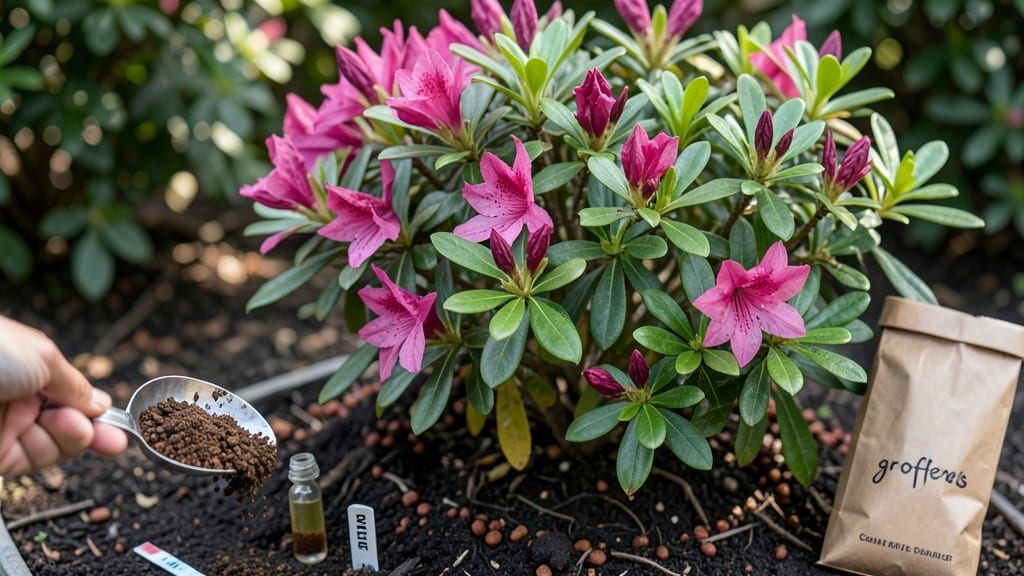
Using coffee grounds for acidic soil lowers pH naturally by releasing tannins and organic acids, while adding nitrogen and micronutrients like potassium and magnesium to improve plant growth and soil structure. Apply sparingly—too much can compact soil or create nitrogen imbalance.
Coffee grounds work like a natural soil amendment because they contain chlorogenic and citric acids that gradually acidify the soil as they break down. 🌱 The caffeine and cellulose in grounds also feed beneficial soil microbes, which helps decompose organic matter faster.
I’ve seen the biggest benefits in gardens with acid-loving plants like rhododendrons or blueberries—just mix a thin layer into the top inch of soil or sprinkle lightly around plants. The key is moderation: too much can make the soil too dense or create nitrogen overload, which harms root health.
For best results, use freshly used grounds (not instant coffee) and work them into the soil a few inches deep. This lets the acids release slowly over weeks, giving plants a steady supply of nutrients without shocking the soil.
If you’re composting, coffee grounds break down even faster and can be mixed in with other greens like grass clippings for a balanced compost blend.
💡 In This Article
- How Coffee Grounds Chemically Acidify Soil
- Best Practices for Using Coffee Grounds in Acid-Loving Gardens
How coffee grounds chemically acidify soil
The magic happens through two key compounds in coffee grounds: tannins and organic acids like chlorogenic and citric acid. When grounds decompose, these compounds dissolve into the soil, creating a slow-release acidification effect.
Chlorogenic acid, which makes up about 5-8% of coffee bean composition, breaks down into simpler acids that lower soil pH by binding with calcium and magnesium ions in the soil—similar to how vinegar reacts with baking soda.
This process can drop soil pH by 0.5-1.5 points over 4-6 weeks, depending on soil type and moisture levels.
The breakdown process also involves microbial activity. Beneficial bacteria and fungi in the soil consume caffeine (which makes up 1-2% of coffee grounds) and cellulose as food sources. As they metabolize these compounds, they release carbon dioxide and additional organic acids as byproducts.
Finer coffee grounds decompose faster—think of how instant coffee dissolves quickly versus coarse grounds—which means they release acidity more rapidly. However, this also means they can create nitrogen spikes if overapplied, potentially burning plant roots.
Particle size matters too. Coarse grounds take longer to break down, providing a more gradual acidification that’s gentler on soil microbes.
For example, using medium-coarse grounds (similar to what you’d use for cold brew) releases acidity over 6-8 weeks, while fine grounds might acidify the soil within 2-4 weeks. This slower release also prevents sudden pH swings that could stress plants.
The ideal balance is using grounds that are partially decomposed—like those from a compost pile—for a steady nutrient flow without overwhelming the soil.
What most gardeners don’t realize is that coffee grounds also introduce micronutrients like potassium and magnesium as they decompose. These minerals become available to plants as the organic matter breaks down, creating a nutrient-rich environment.
For instance, a 1-cup application of coffee grounds can provide about 0.5 grams of potassium and 0.2 grams of magnesium, which are essential for root development and flowering. The combination of acidification and nutrient release makes coffee grounds a dual-purpose amendment for acid-loving plants.
However, the acidity effect isn’t permanent. Over time, the soil’s natural buffering capacity (especially in clay or loamy soils) will neutralize the pH again. This is why coffee grounds work best as a maintenance tool rather than a one-time fix.
For example, hydrangeas that bloom blue need a pH of 5.0-5.5, and coffee grounds can help maintain this range when applied every 2-3 months during the growing season.
The key is consistency—think of it like adding a splash of lemon juice to a recipe rather than dumping the whole bottle at once.
One visual clue that the acidification is working is the soil’s texture. Well-amended soil with coffee grounds becomes slightly darker and more crumbly, almost like adding a touch of cocoa powder to chocolate cake batter. This indicates improved organic matter content and better water retention.
But if the soil starts to look compacted or smells overly sour (like vinegar), it’s a sign you’ve overdone it—time to dilute with compost or sand to restore balance.