
Pests
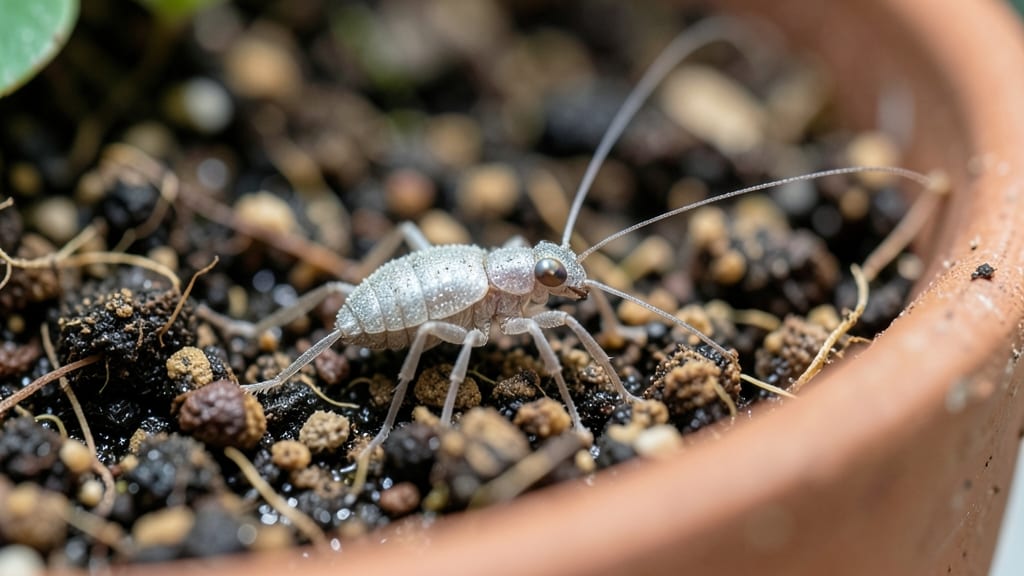
Bugs in potted plant soil aren’t just annoying—they’re stealing your plants’ nutrients and stunting growth. 🌱 I’ve pulled apart enough soggy root balls to know the damage isn’t always obvious until your ferns wilt or your peppers refuse to fruit. The worst offenders?
Fungus gnats, root-knot nematodes, and those tiny grubs that chew roots like they’re salad. The first step is identifying them: fungus gnats leave tiny black specks on soil, nematodes cause stunted roots with gall-like bumps, and grubs create irregular holes in the root system.
Most gardeners overlook soil checks until the damage is done—don’t let that be you. A simple moisture test (stick your finger in the soil) often reveals the real issue before pests become a full-blown crisis.
Once you spot them, the fix is straightforward: neem oil sprays for gnats, beneficial nematodes for soil-dwelling pests, and proper drainage to starve them out. I’ve saved plants from total collapse using these methods—some took a few weeks to recover, but they bounced back stronger than ever.
The key is acting fast before the bugs multiply. Prevention is easier than cleanup: use well-draining soil mixes, avoid overwatering, and add a thin layer of sand or perlite to disrupt pest life cycles.
Trust me, your plants will thank you—and so will your future self when you’re not digging through infested soil again.
Root Causes of Soil Bugs
Unwanted critters in your potted plants’ soil aren’t just random—there’s usually a reason behind their unwelcome visit. Understanding these triggers helps you address the problem at its source. Let’s break down the most common causes and why they turn your potted plants into a bug buffet.
---
Excess moisture transforms soil into a damp, nutrient-rich haven for moisture-loving pests like fungus gnats, springtails, and even slugs. Here’s why:
- Stagnant water = breeding ground: Standing water in saucers or poorly draining soil creates the perfect environment for larvae to hatch and thrive.
Fungus gnats, for example, lay eggs in moist soil, and their larvae feed on organic matter—like overwatered roots. - Fungal growth attracts pests: Damp conditions encourage mold and fungi, which in turn attract insects like springtails (tiny, silver, flea-like critters) that feed on decaying organic material. - Root rot weakens plants: Overwatered plants become stressed, producing weak, mushy roots that emit a scent luring pests like pill bugs (rolly-pollies) or even larger insects like earwigs.
Actionable fix: Let the top inch of soil dry out between waterings, and ensure pots have drainage holes. Use well-draining soil mixes to prevent waterlogging.
---
Potted plants are often fed with organic matter—compost, mulch, or even fallen leaves—which can attract pests. Here’s how:
- Decomposing material = pest magnet: Organic debris like old plant clippings, coffee grounds, or unsterilized compost provides food and shelter for insects like sow bugs (pill bugs), millipedes, and fruit flies.
These critters break down decaying matter but can overrun soil if left unchecked. - Fresh plant waste speeds up infestations: Dropped leaves or spent flowers in pots create a buffet for detritivores (insects that eat dead plant material).
Even "natural" amendments like banana peels or eggshells can attract pests if not composted properly. - Poor-quality soil hides eggs: Some pests, like shore flies or moth larvae, lay eggs in soil with high organic content.
If the soil isn’t sterilized or aged, these eggs can hatch into a full-blown infestation.
Actionable fix: Remove fallen leaves and debris regularly. Use sterilized potting mix and avoid over-amending with fresh organic matter. If repurposing compost, ensure it’s fully decomposed and free of pests.
---
Potted plants in greenhouses, balconies, or windowsills can become hotspots for pests if hygiene is neglected. Here’s how:
- Cross-contamination from tools or pots: Reusing pots, tools, or trays without cleaning can transfer eggs, larvae, or adult insects from one plant to another.
For example, scale insects or mealybugs can hitch a ride on dirty pruners. - Shared soil or mulch: Using soil or mulch from an infested plant introduces pests to healthy ones.
Even "free" soil from community gardens or nurseries might carry hidden bugs like springtails or nematodes. - Outdoor-to-indoor transfer: Bringing in pots from patios, decks, or balconies can introduce earwigs, slugs, or cutworms that thrive in both soil and leaf litter.
Actionable fix: Sterilize pots and tools with a 10% bleach solution (1 part bleach to 9 parts water) or boiling water. Avoid sharing soil or mulch between plants. Inspect new plants before bringing them indoors.
---
Stressed plants emit chemical signals that attract pests looking for an easy meal. Common stressors include:
- Nutrient deficiencies: Plants lacking nitrogen, phosphorus, or potassium become weak and emit distress signals that lure aphids, whiteflies, or thrips.
These pests target vulnerable plants for feeding and reproduction. - Physical damage: Wounded roots (from repotting or root rot) or broken stems attract fungus gnats and root maggots, which lay eggs in damaged tissue. - Disease presence: Fungal or bacterial infections create ideal conditions for pests like sow bugs or millipedes, which feed on decaying plant material.
Actionable fix: Fertilize plants regularly with a balanced formula (e.g., 10-10-10) and avoid over- or under-feeding. Repot carefully to minimize root damage, and remove infected leaves promptly.
--- Indoor environments—especially bathrooms, kitchens, and basements—can unintentionally create pest-friendly conditions:
- Humidity levels: High humidity (common in bathrooms or kitchens) encourages fungus gnats, springtails, and mold mites.
These pests thrive in air that’s 60% humidity or higher. - Warmth and shelter: Pots near heat sources (like radiators or stoves) provide warmth that speeds up insect life cycles.
Dark, undisturbed corners offer hiding spots for pill bugs and earwigs. - Food sources: Indoor plants near fruit bowls, crumbs, or spills (e.g., coffee grounds, tea bags) attract fruit flies, ants, or silverfish.
Actionable fix: Use dehumidifiers or fans to keep humidity below 50%. Store pots away from heat sources and avoid placing them near food prep areas. Regularly clean surfaces around plants to eliminate spills or debris.
How to Fix It Naturally
Unwanted critters in your potted plants can feel like an invasion, but the good news is that most soil-dwelling pests can be managed without harsh chemicals. The key is identifying the problem first (which you’ve already done!) and then applying targeted, eco-friendly solutions.
Below, we’ll break down practical fixes for the most common soil bugs, along with prevention tips to keep your plants thriving long-term.
---
Cause: Overwatering, moist soil, decaying organic matter. Fix: 🍳 Drain and Dry the Soil - Stop watering until the top 1–2 inches of soil feel dry to the touch (stick your finger in to check). - Empty saucers under pots to prevent standing water.
👨🍳 DIY Larvicide Trap - Fill a small container with apple cider vinegar + a drop of dish soap. - Bury it slightly in the soil—gnats will drown in the mix within 24 hours.
🥘 Beneficial Nematodes - Order Steinernema feltiae (microscopic worms) online—they hunt gnat larvae naturally. - Mix with water and apply to soil every 4–6 weeks.
✨ Prevention Tips: - Use cactus/succulent mix (dries faster) or add perlite/pumice to improve drainage. - Let soil dry between waterings—never keep it soggy. - Yellow sticky traps (placed above soil) catch adult gnats before they lay eggs.
---
Cause: Microscopic worms feeding on roots, stunting growth. Fix: 🔪 Solarize the Soil (Outdoor Pots Only) - Move pots to a sunny spot for 4–6 weeks in summer. Heat kills nematodes naturally. - Cover with clear plastic to trap heat (like a greenhouse effect).
🌡️ Neem Oil Spray - Mix 1 tsp neem oil + 1 tsp mild soap + 1 quart water. - Spray roots and soil surface weekly for 2–3 weeks.
🎯 Resistant Plant Varieties - Swap infected plants for nematode-resistant options like: - Marigolds (natural repellent) - Basil or mint (deters worms) - Okra or cowpea (tolerates nematodes better)
💡 Pro Tip: - Rotate pots yearly—don’t reuse containers with infested soil. - Sterilize tools with rubbing alcohol after repotting.
---
Cause: Damp soil, mulch, or shaded pots attracting these slimy pests. Fix: 🔪 Beer Trap (Simple & Effective) - Bury a small container (like a yogurt cup) filled with beer at soil level. - Slugs crawl in and drown—replace every few days.
🌡️ Copper Barrier - Wrap copper tape around pot edges—slugs get a mild electric shock and avoid crossing. - Works best for terracotta or ceramic pots.
🎯 Diatomaceous Earth (DE) - Sprinkle food-grade DE around the pot’s base (not directly on plants). - Reapply after rain—it dehydrates slugs but is safe for plants.
✨ Prevention Tips: - Water in the morning so soil dries by evening (slugs hate dry conditions). - Remove mulch near pots or use gravel instead. - Handpick slugs at night (use a flashlight—they glow slightly!).
---
Cause: Weak plants, poor airflow, or bringing infected plants indoors. Fix: 🔥 Rubbing Alcohol Spray - Mix 1 part rubbing alcohol + 3 parts water in a spray bottle. - Dab cotton swabs on visible bugs or spray lightly (avoid over-saturating soil).
👨🍳 Soap Spray (Mild & Effective) - Combine 1 tbsp castile soap + 1 quart water. - Spray undersides of leaves and soil surface weekly until gone.
🥘 Ladybugs & Lacewings - Release beneficial insects like ladybugs—they eat scale and mealybugs on sight. - Buy them online or attract them with dill or fennel plants nearby.
💡 Pro Tip: - Isolate infested plants until treated to prevent spread. - Wipe down pots with soapy water before repotting.
---
To keep soil bugs at bay long-term, follow these easy habits: - Inspect new plants for pests before bringing them home (quarantine for a week). - Repot annually using sterilized soil (bake soil in oven at 200°F for 30 mins to kill eggs). - Improve drainage—use pots with drainage holes and avoid saucers that trap water. - Rotate crops—don’t plant the same species in the same pot year after year. - Encourage predators—keep spiders, ground beetles, or birds around (they eat pests!).
--- Remember: Patience is key—some fixes (like nematodes or solarization) take 2–4 weeks to show results. But with these natural methods, you’ll reclaim your potted paradise without toxic chemicals! 🌱🚫🐜
Frequently asked questions
Are those tiny black specks in my soil just dirt or something worse?
Those specks are likely fungus gnat larvae or springtail eggs—both are common soil pests. Fungus gnat larvae look like tiny black worms, while springtails appear as tiny silver fleas. If you see adult gnats hovering near your plants, you’ve got a full-blown infestation that needs fixing pronto.
Can I still use my potted plant if I find grubs chewing the roots?
Yes, but act fast! Remove the plant, gently wash the roots to dislodge grubs, and repot with fresh, sterilized soil. Add beneficial nematodes or neem oil to the new soil to prevent reinfestation. If the damage is severe, consider replacing the plant entirely to avoid spreading the problem.
Why do my indoor plants keep getting soil bugs even when I water less?
Indoor environments create perfect pest conditions—high humidity and warmth speed up bug life cycles. Check for hidden moisture sources (like saucers with trapped water) and improve airflow with fans. Also, avoid over-amending with organic matter, as it attracts detritivores like pill bugs and millipedes.
Is it safe to use chemical pesticides on potted plants?
Chemicals can harm your plants and beneficial insects, plus they often fail to reach soil-dwelling pests. Instead, opt for natural solutions like neem oil, diatomaceous earth, or beneficial nematodes. These target pests without risking your plant’s health or the ecosystem in your home.
How often should I check my potted plants for soil bugs?
Inspect your plants every 2-4 weeks during growing seasons, and monthly in winter. Look for signs like wilting, yellowing leaves, or tiny holes in roots. Early detection makes treatment much easier—don’t wait until you see adult bugs flying around!