Pests and Diseases
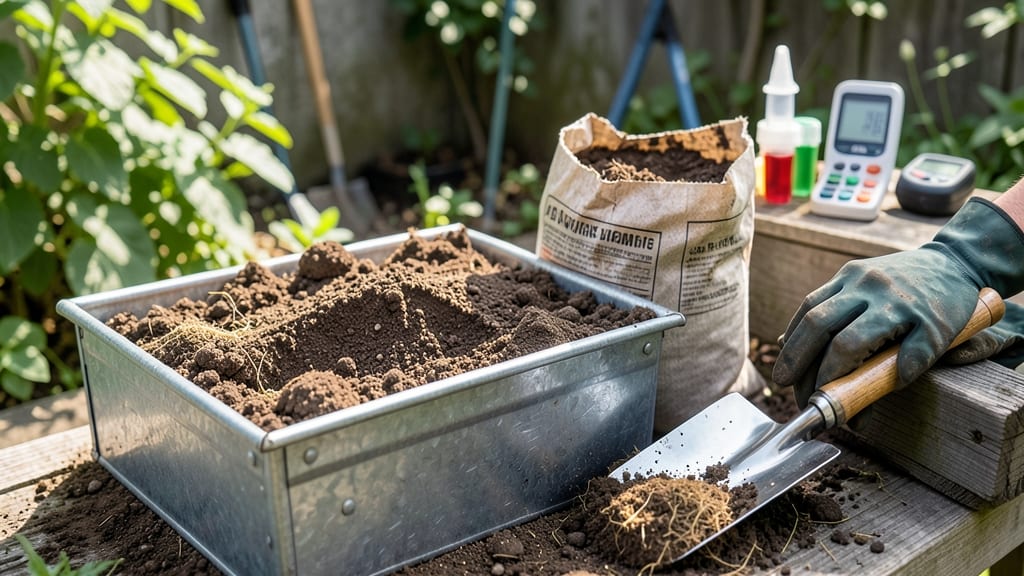
You can mix topsoil and potting soil, but only for specific projects: blend them for raised beds or in-ground planting to boost drainage and fertility, while avoiding it for containers where potting soil’s lightweight structure is essential. Get the proportions right—too much topsoil causes compaction, while too much potting soil may lack the nutrients plants need.
Mixing these two soil types works best when you need to balance their strengths. Topsoil provides essential nutrients and microbial activity, while potting soil offers better aeration and moisture control. For garden beds, I recommend a 70% topsoil to 30% potting soil ratio to maintain fertility without over-compacting.
However, container plants rely on potting soil’s lightweight properties, so blending can actually harm their root systems. Always consider your plants' needs—heavy feeders like tomatoes thrive with more topsoil, while delicate succulents prefer the airy mix. 🌱
Another key factor is the organic matter content. Potting soil often contains peat moss or coconut coir, which retain moisture longer than topsoil. When mixing, add compost or perlite to improve structure and prevent clumping.
For example, a 50/50 blend with 10% perlite creates an ideal medium for herbs that need good drainage but still require nutrients. Just remember: the right mix depends entirely on what you're growing and where.
💡 In This Article
- How Topsoil and Potting Soil Differ in Composition
- Best Mix Ratios for Garden Beds vs Containers
How topsoil and potting soil differ in composition
Topsoil and potting soil are engineered for completely different purposes, which is why their compositions—and how they behave—vary dramatically. Topsoil is the uppermost layer of natural soil, packed with organic matter, minerals, and beneficial microbes that support plant growth.
It typically contains 5-10% organic material, along with sand, silt, and clay particles that create a dense, nutrient-rich structure. This density is great for in-ground planting but can compact easily, restricting root expansion and airflow.
Potting soil, on the other hand, is a manufactured blend designed for containers. It’s lighter, often containing 50-70% organic components like peat moss, coconut coir, or composted bark, along with perlite or vermiculite to improve aeration. This airy texture prevents compaction but lacks the nutrient density of topsoil.
For example, a standard bag of potting mix might have a bulk density of just 0.2-0.4 grams per cubic centimeter, while topsoil can reach 1.2-1.6 g/cm³—meaning potting soil weighs less than half as much for the same volume. 🌱
The key difference lies in how they handle moisture and oxygen. Topsoil retains water longer but can suffocate roots when saturated, while potting soil drains quickly but may dry out too fast for thirsty plants.
When you mix them, you’re essentially creating a custom medium where the proportions dictate drainage, fertility, and aeration. For instance, adding 20-30% potting soil to topsoil loosens its structure, improving root penetration without sacrificing nutrients.
Another critical factor is microbial activity. Topsoil teems with bacteria and fungi that break down organic matter, releasing nutrients over time. Potting soil often lacks these microbes unless it’s labeled "organic" or "compost-based."
Blending them introduces these beneficial organisms into containers, which can boost plant health—but only if the mix remains loose enough for roots to access oxygen.
For example, a 60/40 topsoil-to-potting-soil mix in a raised bed mimics natural soil conditions, while a 50/50 split in a pot risks becoming too dense for delicate roots.
Texture also plays a role. Topsoil feels gritty and heavy, while potting soil is fluffy and crumbly. When mixed, the ratio determines whether your soil leans toward the heaviness of garden earth or the lightness of container mixes.
For instance, adding 1 part potting soil to 3 parts topsoil creates a workable medium for planting bulbs, where drainage is key but nutrients shouldn’t be sacrificed. 💫
Finally, consider the pH balance. Topsoil pH varies by location (often 6.0-7.5), while potting soil is usually slightly acidic (5.5-6.5) to prevent fungal growth.
Mixing them can neutralize extremes, but if your topsoil is highly alkaline or acidic, the blend might still need amendments like lime or sulfur to optimize plant growth.