Plants
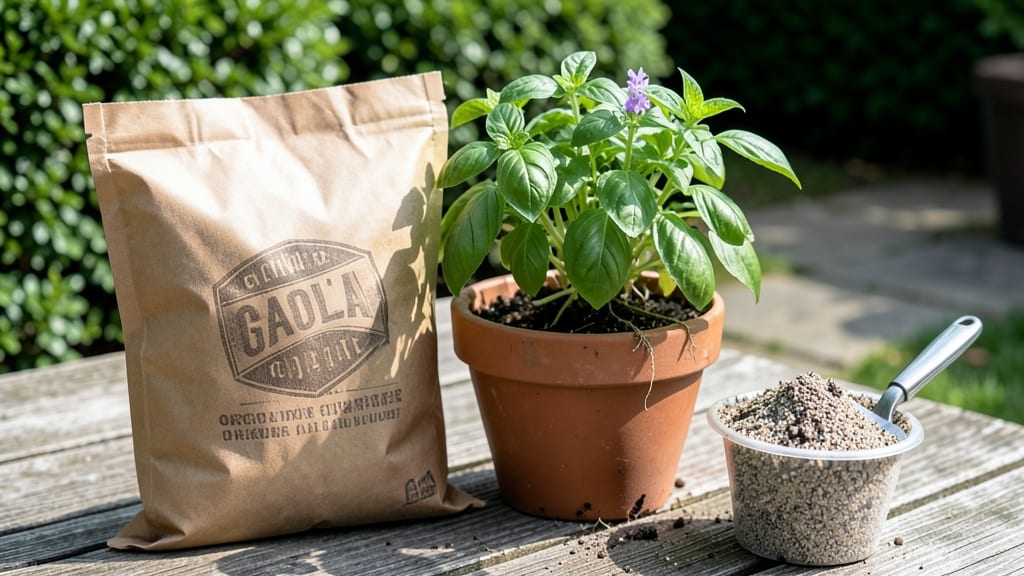
You shouldn't use garden soil for potted plants because it compacts easily, drains poorly, and may harbor pests or diseases. Instead, opt for lightweight potting mixes with perlite or vermiculite for better aeration and drainage.
Garden soil simply wasn't designed for containers—it's too dense and heavy, which leads to root suffocation and poor water flow. 🌱 The lack of organic matter in most garden soils also means fewer nutrients for your plants, while the compacted structure traps moisture, creating the perfect environment for fungal growth.
I've seen even hardy plants like succulents struggle when forced into garden soil—within weeks, you'll notice yellowing leaves and stunted growth if you don't amend it properly.
For container gardening, the key is creating a mix that's 30-40% air space to allow roots to breathe. Most quality potting mixes already include this balance through ingredients like perlite or coco coir, which garden soil lacks.
Even if you're tempted to use garden soil, I recommend mixing it with at least 30% perlite or compost to improve drainage and structure—though this still won't match the performance of dedicated potting mixes.
💡 In This Article
- Why Garden Soil Fails in Potted Plant Containers
- Best Potting Mix Alternatives for Healthy Container Plants
Why garden soil fails in potted plant containers
Garden soil is engineered for in-ground planting where roots can spread freely and natural rainfall cycles prevent waterlogging. In containers, however, the confined space creates a completely different environment.
When you pack garden soil into pots, its natural clay and silt particles compress under the weight of the plant and water, reducing pore space by up to 50%.
This compaction restricts oxygen flow to roots, which need 10-15% air space to thrive—something garden soil simply can't provide in tight containers. 🌱
The drainage issue becomes even more critical. Garden soil typically contains 10-20% organic matter, but this breaks down quickly in containers, leaving a dense medium that holds water like a sponge.
Without proper drainage holes, excess moisture sits around roots for days, creating anaerobic conditions that promote rot-causing pathogens like Phytophthora. Even with drainage holes, garden soil's fine particles clog pores faster than potting mixes designed with 20-30% perlite or vermiculite to maintain open structure.
Nutrient availability becomes another major problem. Garden soil's nutrients are bound to clay particles and released slowly over seasons through natural microbial activity. In containers, this slow-release system fails because the confined environment accelerates microbial decomposition of organic matter, leading to rapid nutrient depletion.
Many garden soils also contain weed seeds and larvae that become active in the warm, moist container environment—something you definitely don't want in your basil or tomato plants. 🐛
Let's compare the physical properties: garden soil has a bulk density of about 1.2-1.4 g/cm³, while ideal potting mixes range from 0.4-0.8 g/cm³.
This lighter density in potting mixes means better water retention without suffocating roots, and the added aeration supports beneficial microbial activity that garden soil simply can't maintain in containers. Even amending garden soil with compost only improves it to about 0.8 g/cm³—still heavier than commercial potting mixes.
What most gardeners don't realize is how these factors compound over time. Within just 4-6 weeks in containers, garden soil's structure degrades enough to reduce water infiltration by 40%**, creating a vicious cycle where you need to water more frequently, which then leads to more compaction.
This is why even drought-tolerant plants like succulents show signs of stress when grown in garden soil—roots simply can't access the moisture and oxygen they need. 💧
The science behind this involves soil physics principles like hydraulic conductivity and capillary action. Garden soil's fine particles create tiny water pathways that slow drainage, while potting mixes with larger aggregates (from perlite or bark) create larger pores that allow water to move freely.
This difference explains why container plants in garden soil often develop root-bound conditions—roots grow in dense circles trying to escape the compacted zone, while plants in proper potting mix develop healthy, outward-growing root systems. ✨