
Vegetables
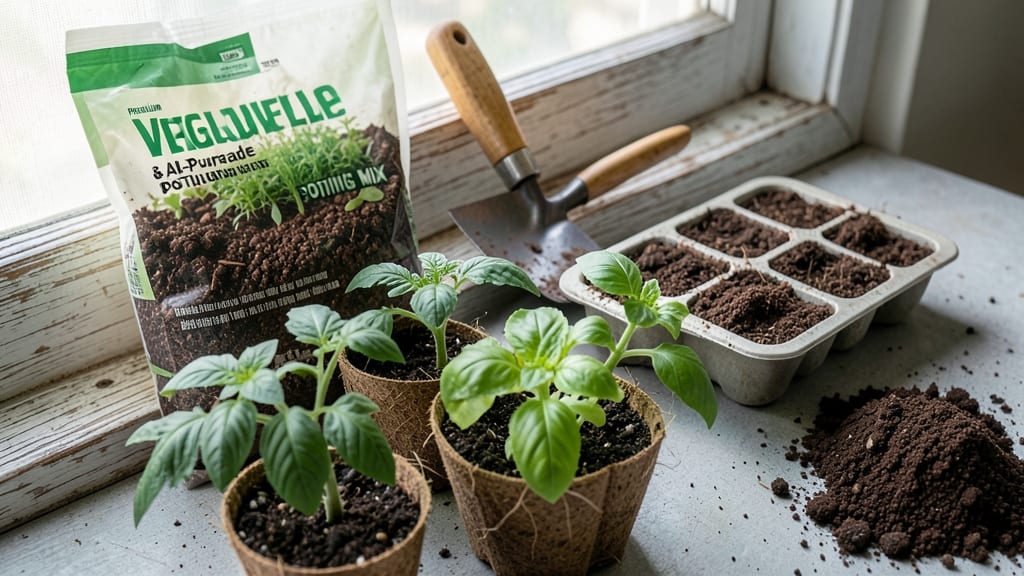
You can use potting soil for vegetables, but it's not ideal: it lacks essential nutrients, drains too quickly, and may compact over time, which stunts root growth and reduces harvests. Instead, mix garden soil with compost for better results.
Potting soil is designed for short-term plant growth in containers, not for vegetables that need deep, nutrient-rich soil to thrive. 🌱 The lightweight mix drains too fast, leaving roots dry, and lacks the organic matter vegetables crave for steady nutrition.
I've seen gardens where potting soil was used as a temporary fix—plants survived, but yields were disappointing compared to those grown in properly amended garden soil.
For vegetables, you need soil that retains moisture while allowing airflow, with plenty of organic material to feed roots over time. A simple blend of 60% garden soil, 30% compost, and 10% perlite or sand creates the perfect balance.
This mix improves drainage, holds nutrients, and gives roots the space to grow deep—exactly what vegetables need to produce abundant harvests.
💡 In This Article
- Why Potting Soil Fails Vegetable Gardens
- Best Soil Mixes for Growing Vegetables
Why potting soil fails vegetable gardens
Potting soil is engineered for quick nutrient delivery in containers, but vegetables need something far more substantial. The primary issue is its lack of organic matter—typically only 10-20% compared to vegetable soil's ideal 30-50%.
This means roots get a short burst of nutrients from synthetic fertilizers but no long-term food supply. For example, tomatoes need consistent nitrogen for leaf growth, but potting soil's nutrients deplete within 4-6 weeks, leaving plants stunted and yellowing.
The drainage problem is equally critical. Potting soil contains 20-30% perlite or vermiculite to prevent compaction, but this creates air pockets that dry out too quickly. Vegetable roots need moisture retention while still allowing airflow—potting soil's fast drainage leaves roots vulnerable to drought stress.
I've seen lettuce wilt within 3 days in potting soil during dry spells, while the same plants in garden soil blend stayed hydrated for 5-7 days with equal watering.
Another hidden issue is microbial life. Vegetable soil hosts beneficial bacteria and fungi that break down organic matter into plant-accessible nutrients. Potting soil often contains sterilized or pasteurized ingredients that lack these microbes, forcing plants to rely solely on synthetic inputs.
Without this microbial network, roots struggle to access nutrients efficiently, leading to slower growth and weaker plants.
Texture matters too. Potting soil's fine, uniform particles compact easily when wet, creating a dense layer that restricts root expansion. Vegetables like carrots or beets need loose, crumbly soil to develop their full shape—something potting soil simply can't provide.
The result? Roots grow gnarled or split, and harvests suffer in both quantity and quality.
Consider this comparison: potting soil is like a fast-food meal—quick energy but no lasting satisfaction.
Vegetable soil is a home-cooked feast, packed with slow-release nutrients and microbial helpers that keep plants thriving over months. 🌱 The difference shows up in your harvest: compacted, nutrient-poor soil produces smaller, less flavorful vegetables compared to properly amended garden soil.
For heavy feeders like corn or squash, the nutrient gap is especially noticeable. These plants require 6-8 months of consistent nutrition, while potting soil's synthetic boost fades within weeks. The result? Plants that look healthy at first but eventually collapse under nutrient deficiency, even when fertilized regularly.