
Plants
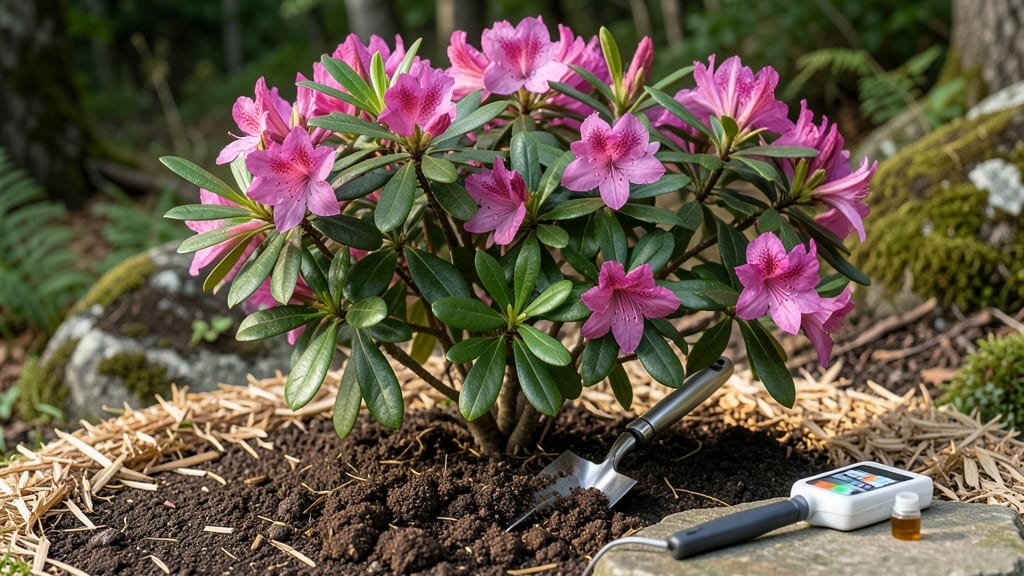
Using coffee grounds in soil for plants adds nitrogen-rich organic matter that improves moisture retention and suppresses weeds, but should be used sparingly to avoid over-acidifying the soil or attracting pests like slugs.
Coffee grounds work like a natural fertilizer because they're packed with nutrients plants crave, especially nitrogen, which fuels leafy growth. 🌱 The grinds also break down slowly, creating a sponge-like effect that helps soil hold water longer between waterings.
I've noticed my acid-loving plants—like blueberries and azaleas—thrive when I mix them in, but I always balance them with compost to prevent the soil from becoming too dense or sour.
What's often overlooked is how coffee grounds repel certain pests while attracting beneficial microbes. The caffeine in grounds acts as a natural deterrent for slugs and snails, but it also feeds helpful bacteria that break down organic matter faster.
For best results, I recommend composting the grounds first rather than using them fresh—they decompose more evenly and won't create clumps in the soil.
💡 In This Article
- How Coffee Grounds Improve Soil Health and Plant Nutrition
- Best Practices for Adding Coffee Grounds to Garden Soil
How coffee grounds improve soil health and plant nutrition
Coffee grounds are a powerhouse of nutrients because they contain approximately 2% nitrogen by weight, making them an excellent organic fertilizer. This nitrogen content comes primarily from the caffeine and other alkaloids present, which break down into ammonium—an immediately available form of nitrogen that plants can absorb through their roots.
The grounds also provide smaller amounts of phosphorus and potassium, essential for root development and overall plant vigor. When mixed into soil, these nutrients create a slow-release effect, feeding plants steadily over weeks rather than all at once.
The texture of coffee grounds plays a crucial role in soil structure. Fresh grounds are coarse and fibrous, but as they decompose, they form a crumbly, porous material that improves aeration and drainage. This sponge-like quality helps soil retain moisture better—up to 30% more water—while preventing compaction.
The organic matter also encourages beneficial microbes to thrive, which further breaks down nutrients into forms plants can use. For example, mycelium networks form around the grounds, creating a symbiotic relationship that enhances nutrient cycling in the soil ecosystem.
However, the impact on soil pH is where coffee grounds require careful consideration. Fresh grounds have a pH of about 6.2-6.8, but as they decompose, they can lower soil pH to 5.0-6.0, making them ideal for acid-loving plants like blueberries, rhododendrons, and gardenias.
For these plants, coffee grounds can be a game-changer, but for others like lavender, hydrangeas, or vegetables such as tomatoes, the increased acidity can become problematic. The key is to monitor soil pH regularly and adjust with lime if needed, especially in containers where pH shifts happen more quickly.
Another often-overlooked benefit is the caffeine content, which acts as a natural pest deterrent. Studies show that caffeine concentrations in soil can repel slugs and snails without harming beneficial insects like bees or ladybugs. The caffeine doesn't kill pests outright but creates an environment they find unpleasant.
This makes coffee grounds a smart addition to garden beds where these pests are a recurring issue. However, the caffeine also attracts earthworms, which further aerate the soil and improve its overall health.
To maximize these benefits, I've found that mixing coffee grounds with other compost materials—like dried leaves or grass clippings—creates a balanced environment. This prevents the soil from becoming too dense or overly acidic while still providing the nutrient boost.
For instance, adding 1 part coffee grounds to 3 parts compost creates an ideal ratio that supports microbial activity without overwhelming the soil. The result is healthier plants with stronger root systems and better resistance to disease.
One practical example is my blueberry bushes, which have shown remarkable growth since I started incorporating coffee grounds into their soil. The plants produce larger berries with deeper color, and the soil remains moist longer between waterings.
The key was to apply the grounds in thin layers (about ½ inch) and mix them into the top 2-3 inches of soil rather than piling them on the surface. This method ensures even distribution and prevents clumping, which can suffocate roots and attract fungus gnats.